Hans Bethe Facts For Kids
Hans Bethe was a renowned physicist known for his contributions to nuclear physics and astrophysics, significantly impacting the understanding of how stars produce energy.
Select reading age
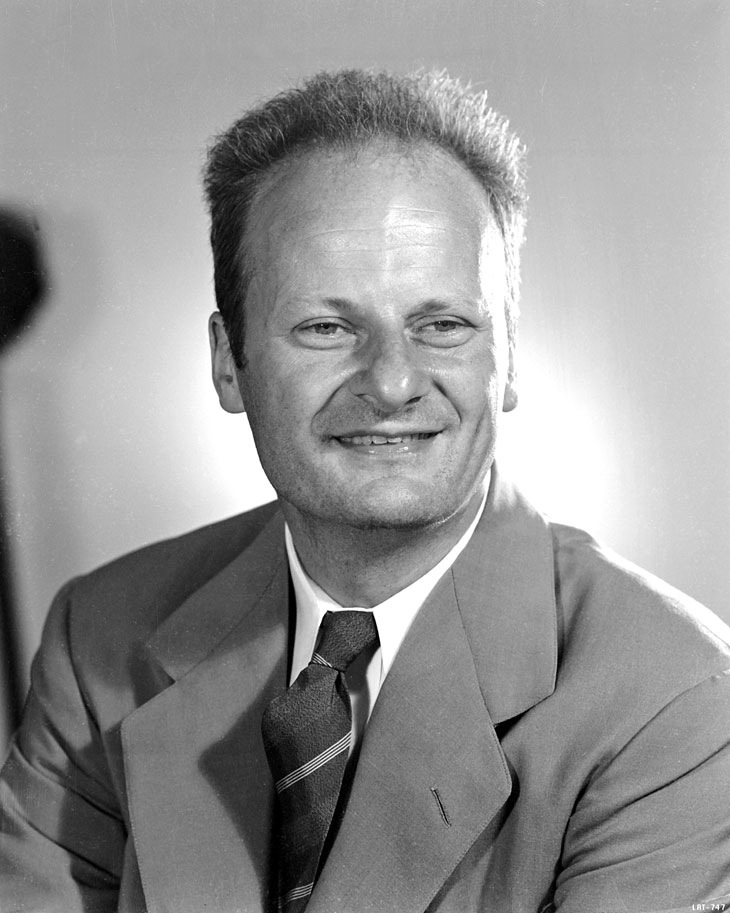
Hans Bethe Facts For Kids
Videos & Quizzesincluded
About this topic
Hans Bethe was an important scientist born on July 2, 1906, in Strasbourg, Germany. He was brilliant in physics, a branch of science that studies how the world works! 🎩Bethe helped us understand how stars shine and even played a big part in the development of nuclear energy. He moved to the USA in 1933 and became a professor, sharing his love for science with students. Bethe won the Nobel Prize in Physics in 1967 for his work on nuclear reactions. 🌟His discoveries changed how we think about energy and the universe!
Explore with ChatDinoQuick Facts
Key Points
Hans Bethe had a lovely family life.
If you want to learn more about Hans Bethe and his exciting life, there are many great books and articles!
Hans Bethe received many awards for his incredible work in science!
Hans Bethe’s legacy is immense!
Bethe loved to teach and inspire young scientists.
Hans Bethe loved learning from a very young age.
Bethe made significant contributions to many areas of physics!
The Manhattan Project was a secret program during World War II that aimed to build the first atomic bomb!
Nuclear physics is all about understanding the tiny particles that make up everything around us.
Photos of Hans Bethe

Hans Bethe, aged 12, with his parents

Bethe's Los Alamos Laboratory ID badge

Hans Bethe lecturing at Dalhousie University, 1978

Bethe being interviewed by journalists

Rose Bethe Los Alamos badge
😊 Personal Life
Hans Bethe had a lovely family life. 😊He married a woman named Rose in 1939, and together they had two children. They lived in Ithaca, New York, where Bethe worked at Cornell University. Besides science, he enjoyed playing chess and listening to classical music! 🎶Bethe was not only a brilliant scientist but also a caring father and husband who loved sharing his knowledge and passions with his family.
Go deeper📖 Further Reading
If you want to learn more about Hans Bethe and his exciting life, there are many great books and articles! 📖"Hans Bethe: The Scientist Who Knew Too Much" by David C. Lindberg is a good read for kids. You can also check websites like NASA and the American Physical Society for kid-friendly articles about Bethe’s work. 🌌Exploring these resources will help you understand more about this amazing scientist and the wonders of physics!
Go deeper🎖️ Awards And Honors
Hans Bethe received many awards for his incredible work in science! 🎖️ He won the Nobel Prize in Physics in 1967 for his research on stellar nucleosynthesis, which explains how elements are formed in stars. He was also honored with the National Medal of Science in 1975! 🏅Bethe's contributions were so influential that his work is still respected today, inspiring future generations of scientists to explore the mysteries of the universe!
Go deeper🏰 Legacy And Impact
Hans Bethe’s legacy is immense! 🏰He changed how scientists understand nuclear reactions and stars, which impacts both physics and astronomy. His teaching influenced many future scientists and researchers, inspiring them to explore and push boundaries. His groundbreaking discoveries helped shape modern physics, and his contributions are still studied and remembered today. 🌠Bethe left a lasting impact on science and education that will be felt for generations!
Go deeper🎓 Teaching And Mentorship
Bethe loved to teach and inspire young scientists. 🎓After working on the Manhattan Project, he became a professor at Cornell University and influenced many students with his knowledge and passion for physics. He believed in encouraging creativity and independent thinking in his students. ✨Many of his former students have gone on to make their own discoveries, carrying on his legacy of being curious and innovative!
Go deeper📚 Early Life And Education
Hans Bethe loved learning from a very young age. He went to school in Germany and was particularly good at math and science! 📚He attended the University of Frankfurt and later the University of Munich. There, he learned from famous scientists like Arnold Sommerfeld. Bethe earned his Ph.D. at just 23 years old! 🥳After he moved to the U.S., he continued studying at Cornell University. His education laid the foundation for his amazing discoveries!
Go deeper☀️ Scientific Contributions
Bethe made significant contributions to many areas of physics! One of his most admired works is about how stars produce energy through nuclear fusion. ☀️ He explained the series of reactions that occur in stars like our Sun, making it possible for them to shine for billions of years! Bethe also helped develop theories on how atoms could split and release energy, which was groundbreaking for the field of nuclear physics. 🧪His work helped scientists understand the universe better!
Go deeper💣 Role In The Manhattan Project
The Manhattan Project was a secret program during World War II that aimed to build the first atomic bomb! 💣Hans Bethe played a crucial role in this project while working at Los Alamos, New Mexico. He was a part of a team that worked tirelessly to help the United States create new technology to end the war. Bethe’s understanding of nuclear reactions was vital to this project, making him an essential figure in the history of science!
Go deeper⚛️ Nuclear Physics And Astrophysics
Nuclear physics is all about understanding the tiny particles that make up everything around us. ⚛️ Bethe's work in this area was groundbreaking. He studied how particles interact and how energy is created in stars; this is called astrophysics. His discoveries about nuclear fusion showed how stars use hydrogen to create helium, releasing energy in the process. 🌌He helped scientists learn why stars shine and how this process affects life on Earth. That's pretty amazing, isn't it?
Go deeper