Halva Facts For Kids
Halva is a sweet and crumbly confectionery, loved worldwide, especially in the Middle East and North Africa, made from ingredients like sesame seeds and sugar.
Select reading age

Halva Facts For Kids
Videos & Quizzesincluded
About this topic
Halva is a sweet treat enjoyed by many people all around the world! 🍬It's made from a mix of ground nuts or seeds, sugar, and other ingredients. You can find halva in places like the Middle East, North Africa, the Balkans, Central Asia, and South Asia. Each region has its special way of making it. Halva is often enjoyed during festivals and celebrations. Did you know that people have been eating halva for thousands of years? This yummy dessert is not only tasty but also has a rich history! Let’s learn more about this delightful confection! 😋
Explore with ChatDinoKey Points
There are many yummy types of halva!
Halva has been around for a long time—over 2,000 years!
Making halva at home can be fun and easy!
Halva has made its way into fun movies, songs, and even stories!
Halva can be made from a few main ingredients!
Halva can be a tasty treat, but it's important to enjoy it in moderation!
Halva is more than just a sweet treat; it has special meanings in many cultures!
If you have some yummy halva at home, you’ll want to store it safely!
Halva looks different in various parts of the world!
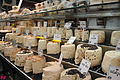
Photos of Halva

Some assorted Indian halva including sooji halva (diamond shapes), chana halva (light circles), and gajar halva (dark circles)

Halva — photo 2
Halva — photo 3
😍 Types Of Halva
There are many yummy types of halva! 😍One popular type is made from tahini (ground sesame seeds), often found in the Middle East. Another type is called suji halwa, made from semolina and is popular in India. In Greece, there's a version made with nuts and chocolate called "kakavia." 🍫 You can also find halva with different flavors like vanilla, pistachio, or even rose! 🌹It’s fun to try different kinds and see which one you like the best. Each type has its unique taste and texture, so there’s something for everyone! 🎊
Go deeper🌏 History Of Halva
Halva has been around for a long time—over 2,000 years! 🌏Its exact origin is a bit of a mystery, but people think it may have started in the Middle East, like in ancient Persia (now Iran). Many cultures have their own version of halva. In the 11th century, poets even wrote about it! 🍭As trade routes opened up, halva spread to places like Greece and Turkey. Over time, everyone added their special twist to it, making it unique in different countries. Today, it’s served in many homes and at festivities worldwide! 🎉
Go deeper🎉 How To Make Halva
Making halva at home can be fun and easy! 🎉Here’s a simple recipe you can try with the help of an adult. You’ll need 1 cup of tahini, 1 cup of sugar, and a cup of water. To start, mix the sugar and water in a pan and heat until the sugar melts. Then, remove from heat and slowly stir in tahini! ⏳Mix well until blended. Pour the mixture into a mold and let it cool for a few hours. Once it’s set, cut it into pieces and enjoy your delicious homemade halva! 🍽️
Go deeper🎥 Halva In Popular Culture
Halva has made its way into fun movies, songs, and even stories! 🎥Many people shout out to halva in social media, sharing recipes and pictures of their sweet creations! 📸In some movies, characters enjoy halva during celebrations, showing off its deliciousness. People also love sharing their favorite types and flavors with friends. 🎉There are many fun halva recipes and stories shared, helping kids and families discover this delightful treat. So, keep an eye out for halva when watching movies or scrolling through social media—it could pop up anytime! 🎬
Go deeper🌰 Ingredients Used In Halva
Halva can be made from a few main ingredients! 🌰The most common ones are tahini, sugar, and some butter or oil. For nutty flavors, people often add almonds, pistachios, or hazelnuts. 🍪To make it even yummier, you might see flavors like vanilla, cocoa powder, or spices like cinnamon. Halva is also sometimes made with ingredients like coconut! 🥥This mixture is what makes halva so delicious and gives it that hearty texture. Whether you like it sweet or nutty, there’s an ingredient combination for everyone to enjoy! 🍭
Go deeper🍭 Nutritional Value Of Halva
Halva can be a tasty treat, but it's important to enjoy it in moderation! 🍭It is made from nuts or seeds, which are healthy fats, and tahini has protein, but halva is also high in sugar. Just a small amount can give you a quick boost of energy! ⚡Nuts in halva provide vitamins and minerals like magnesium and vitamin E. Remember, it's like a yummy dessert treasure! 🏆While it can be a part of a balanced snack, it’s best to enjoy it as an occasional treat. Eating lots of fruits and veggies is important too! 🍏🥦
Go deeper🕌 Cultural Significance Of Halva
Halva is more than just a sweet treat; it has special meanings in many cultures! 🕌In Middle Eastern countries, it’s often served during festive occasions like Eid. 🍽️ In Greece, people eat halva on special days like Easter. In India, it is prepared to celebrate achievements or festivals like Diwali. 🎆Sharing halva is a way for people to show kindness and hospitality. It brings families together during special occasions, making memories that last a lifetime. 🌟Halva is not just a dessert; it represents joy, celebration, and love in many cultures!
Go deeper🏠 Storage And Shelf Life Of Halva
If you have some yummy halva at home, you’ll want to store it safely! 🏠It’s best kept in an airtight container to keep it fresh. A cool and dry place is ideal, like a kitchen pantry. 🌬️ Halva can last up to a few weeks when stored this way. Some types of halva can even stay fresh for months! Be sure to check if it smells or looks different before eating. 🌿Whether you like it crunchy or chewy, proper storage will keep your halva tasty for a longer time! Enjoy every bite! 😋
Go deeper🌍 Halva Variations Around The World
Halva looks different in various parts of the world! 🌍In Turkey, there’s a type made from flour and flavored with cocoa. In India, suji halwa is a sweet treat made from semolina and served warm! 🍬Brazil has a coconut version called "cocada," while in Israel, people love halva made from tahini with yummy flavors, including chocolate! 😋In Russia, there's a dense, sweet treat made from sunflower seeds. Each country adds its flair and flavor, making halva a truly global dessert you can enjoy anywhere! 🌎
Go deeper