Gyrfalcon Facts For Kids
The gyrfalcon is a majestic bird of prey known for its adaptability to Arctic environments and its remarkable speed and hunting skills.
Select reading age
Gyrfalcon Facts For Kids
Videos & Quizzesincluded
About this topic
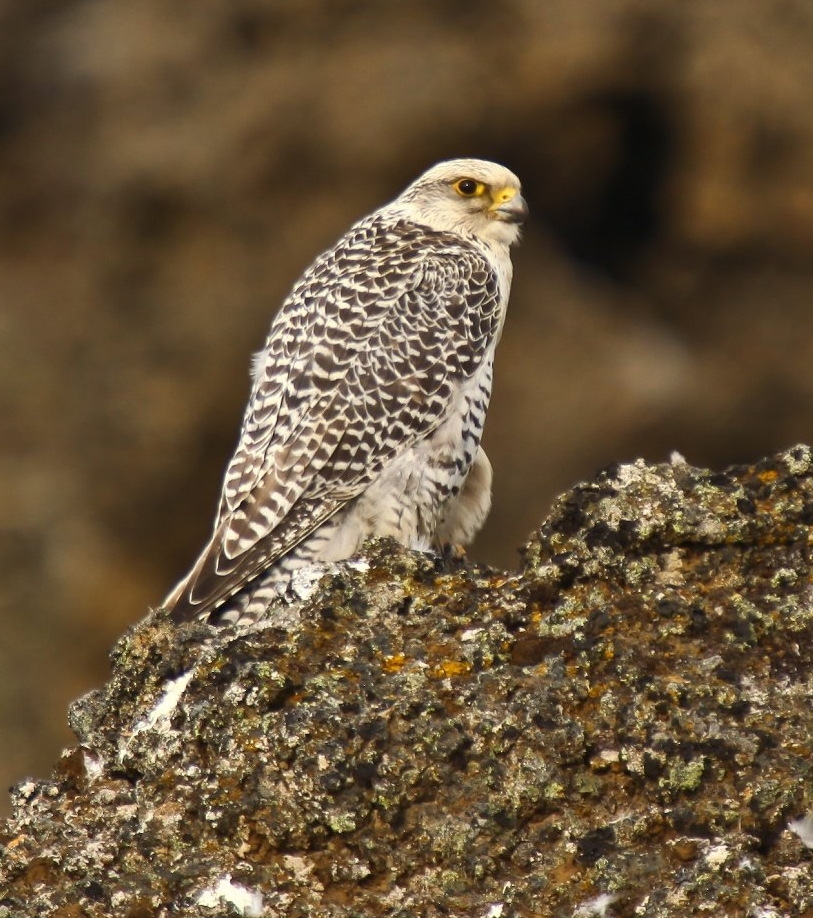
The gyrfalcon is a magnificent bird of prey 🦅 found in the Arctic regions! This large falcon is the biggest member of the falcon family and can be found in places like Greenland, Canada, and northern Europe. Gyrfalcons are known for their stunning plumage, which can be white, gray, or dark brown. They are powerful hunters and can see their prey from far away, making them a top predator in their habitat. Gyrfalcons are also the national bird of Norway 🇳🇴, showing how important they are to many cultures!
Explore with ChatDinoKey Points
Did you know that gyrfalcons can live up to 15 years in the wild?
Currently, the gyrfalcon is classified as "Least Concern" by the IUCN, meaning they are not in immediate danger of extinction 🌍.
Gyrfalcons usually mate for life, forming strong bonds with their partners 🤝.
Gyrfalcons hold special meaning in various cultures, especially in the Arctic regions.
Gyrfalcons thrive in cold, rugged environments.
Gyrfalcons are remarkable for their size and strength.
Gyrfalcons are skilled hunters that primarily eat small mammals and birds 🐦.
Gyrfalcons are generally solitary birds but can sometimes be seen in pairs, especially during the breeding season 💕.
Photos of Gyrfalcon

Gyrfalcon — photo 1

Gyrfalcon — photo 2
Gyrfalcon — photo 3

Gyrfalcon — photo 4


Gyrfalcon — photo 6

Gyrfalcon — photo 7

Hybrid white gyrfalcon × saker

Adult F. r. islandus at Dimmuborgir near Lake Mývatn (Iceland)
🎉 Fun Facts
Did you know that gyrfalcons can live up to 15 years in the wild? 🎉They are also very strong fliers, able to travel long distances. Some even migrate hundreds of miles to find better food sources! Gyrfalcons can live in temperatures as low as -40°F! 🥶Their keen eyesight can detect movement from over a mile away! Plus, they are expert "wing divers," which means they can dive steeply to catch prey in mid-air! Truly amazing, right? 🦅
Go deeper🌍 Conservation Status
Currently, the gyrfalcon is classified as "Least Concern" by the IUCN, meaning they are not in immediate danger of extinction 🌍. However, habitat loss and climate change can affect their populations. In some areas, they are threatened by poaching and the illegal bird trade. Conservation efforts are in place to monitor their populations, protect their habitats, and ensure they can thrive in the wild. Educating people about gyrfalcons is crucial, as awareness can help protect these incredible birds for future generations!
Go deeper🤝 Breeding And Nesting
Gyrfalcons usually mate for life, forming strong bonds with their partners 🤝. They begin nesting in early spring, usually on high cliffs or in abandoned nests of other birds. The female lays about 3 to 5 eggs that are bluish-white in color. Both parents help in keeping the eggs warm and protecting them from predators. The eggs hatch after about 30 days, and the chicks are cared for until they can fly, usually around 6 to 8 weeks old. These fluffy chicks are often gray with dark spots, making them adorable!
Go deeper⚔️ Cultural Significance
Gyrfalcons hold special meaning in various cultures, especially in the Arctic regions. In Norway, they've been a symbol of power and nobility ⚔️. Historically, royalty would use gyrfalcons for hunting, showing their status in society. They are also featured in folklore and art, often representing strength and freedom. In some indigenous cultures, the gyrfalcon is seen as a messenger of the spirit world. These birds inspire people, reminding us of the beauty and wonder of nature!
Go deeper🏔️ Habitat And Distribution
Gyrfalcons thrive in cold, rugged environments. You can find them in the tundra and mountainous regions of the Arctic 🏔️. They prefer rocky cliffs or tall trees for nesting, where they can spot their prey easily. During winter, some gyrfalcons migrate to areas that are less icy while still staying close to their Arctic homes. Their range includes Canada, Alaska, Greenland, and northern parts of Europe and Asia. These birds are well adapted to their chilly surroundings, with thick feathers that keep them warm.
Go deeper🦅 Physical Characteristics
Gyrfalcons are remarkable for their size and strength. They can grow to be about 18 to 26 inches long, with a wingspan of up to 4 feet! 🦅Their sharp talons are perfect for catching their prey. The males are smaller and usually have darker feathers compared to the females, which are larger and often paler. Gyrfalcons have keen eyesight, allowing them to spot small animals from great distances. Their beaks are strong and hooked, ideal for tearing into prey. Overall, they are built for speed and agility, making them incredible hunters!
Go deeper🐦 Diet And Hunting Techniques
Gyrfalcons are skilled hunters that primarily eat small mammals and birds 🐦. Their favorite meals include ducks, ptarmigans, and even rabbits! They use their sharp eyesight to spot prey from high in the sky and can dive at speeds of over 40 miles per hour to catch them. Gyrfalcons may also chase other birds in flight, showing their impressive agility. Once they catch their food, they use their strong beaks and talons to tear it apart. Their hunting skills are essential for survival in the Arctic!
Go deeper💕 Behavior And Social Structure
Gyrfalcons are generally solitary birds but can sometimes be seen in pairs, especially during the breeding season 💕. They are very territorial and will defend their nests fiercely against other birds. Gyrfalcons have a variety of calls to communicate with each other, from high-pitched whistles to deep croaking sounds. Males typically attract females with impressive aerial displays, showing off their flying skills. During training, younger gyrfalcons will watch their parents hunt and learn how to catch their own food!
Go deeper