Gulf Of Suez Facts For Kids
The Gulf of Suez is a gulf at the northern end of the Red Sea, located between the Sinai Peninsula and Egypt's mainland, known for its rich marine life, historical significance, and economic importance.
Select reading age
Gulf Of Suez Facts For Kids
Videos & Quizzesincluded
About this topic
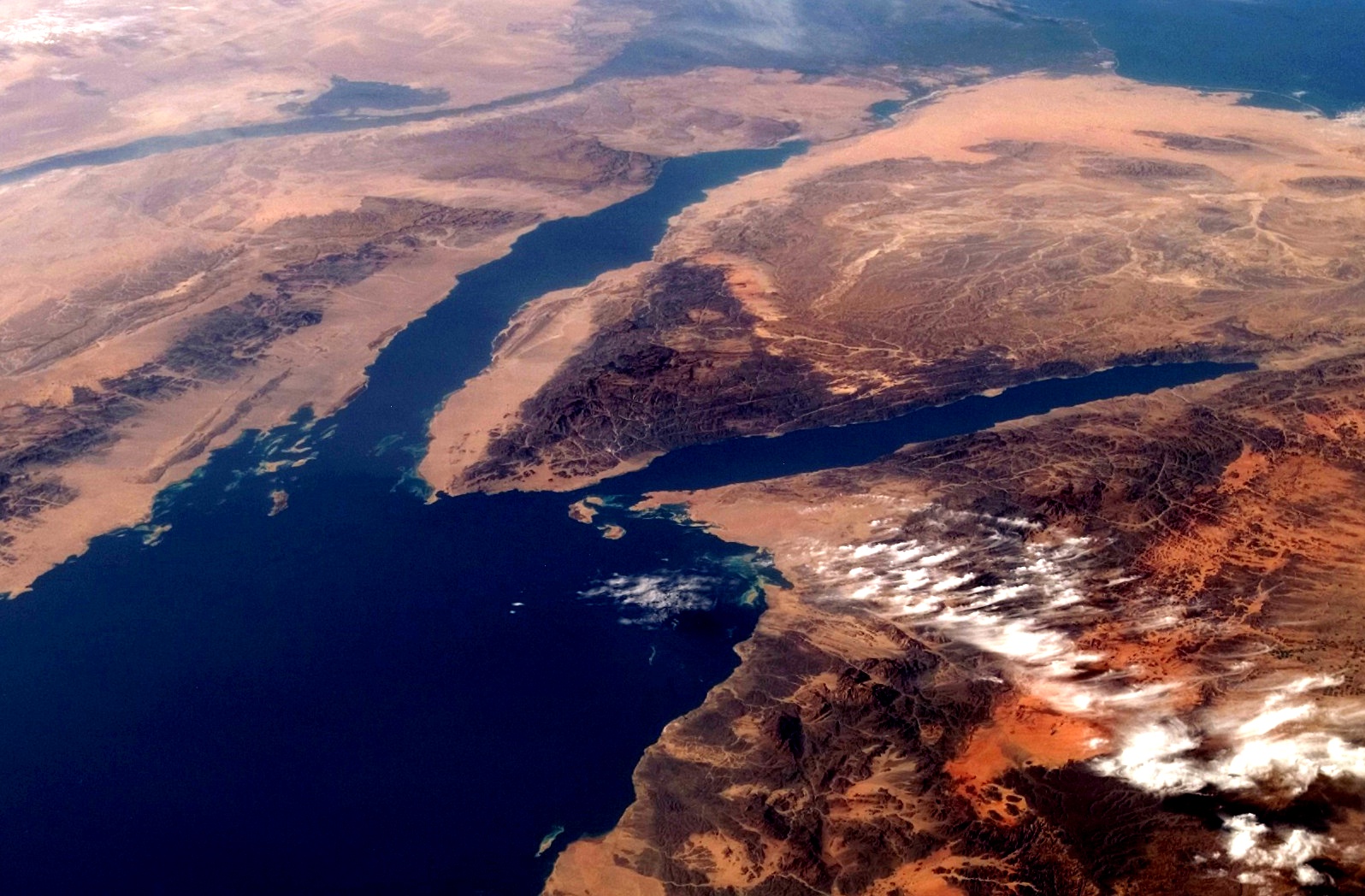
The Gulf of Suez is a special body of water located at the northern end of the Red Sea. 🌊It's bordered by Egypt on the west and the Sinai Peninsula on the east. The gulf is about 80 kilometers long and is a vital part of the region's geography. It's known for its warm, clear waters and beautiful coral reefs! 🐠The Gulf of Suez is not just a pretty place; it's also important for trade and travel between Africa and Asia. It’s like a big natural highway for ships! 🚢
Explore with ChatDinoKey Points
The Gulf of Suez is rich in cultural heritage!
The Gulf of Suez is super important for Egypt’s economy!
The Gulf of Suez has some unique geological features.
While the Gulf of Suez is beautiful, it faces some environmental problems.
The Gulf of Suez is located in Egypt, near the city of Suez.
Long ago, the Gulf of Suez was an important travel route!
Scientists and explorers find the Gulf of Suez fascinating!
The Gulf of Suez is home to many amazing creatures!
The Gulf of Suez is like a busy highway for ships!
The Gulf of Suez is a popular spot for tourists!
Photos of Gulf Of Suez

Gulf Of Suez — photo 1

Northernmost part of Gulf of Suez with town Suez on the map of 1856
🏺 Cultural Heritage
The Gulf of Suez is rich in cultural heritage! Ancient Egyptians settled in the region, leaving behind fascinating history. 🏺The area is dotted with archaeological sites, like temples and monuments. The local communities continue to celebrate traditional customs, including music, dance, and food. 🌅The beautiful landscapes have also inspired artists and writers throughout history. The gulf’s cultural significance makes it a treasured part of Egypt's identity!
Go deeper💰 Economic Importance
The Gulf of Suez is super important for Egypt’s economy! 💰It serves as a busy shipping route for oil and other goods. Several oil rigs are located in the gulf, helping to produce oil for energy. Countries around the world depend on oil, making the Gulf of Suez crucial for international trade. 🚢Fishing is another economic activity here, where local fishermen catch fish to sell. This gulf helps create jobs and brings resources to the people living nearby!
Go deeper🏔️ Geological Features
The Gulf of Suez has some unique geological features. 🏔️ The surrounding land is made up of fascinating mountains and hills. The gulf itself is a rift valley, caused by tectonic activity. This means the earth's plates shifted and formed this unique shape! Earthquakes can happen nearby due to this activity, making the area geologically intriguing. 🗻The gulf's structure leads to diverse habitats, making it a key area for scientists to study Earth's geology!
Go deeper🌍 Environmental Concerns
While the Gulf of Suez is beautiful, it faces some environmental problems. 🌍Pollution from ships and nearby cities can harm marine life. Invasive species can also disrupt the local ecosystem, making it harder for native animals to thrive. Coral reefs are sensitive and can be damaged by climate change, leading to bleaching. 🐠It's important for everyone to take care of the gulf! Conservation efforts are being made to protect marine habitats and promote awareness about keeping our oceans clean.
Go deeper🗺️ Geography And Location
The Gulf of Suez is located in Egypt, near the city of Suez. 🗺️ It connects to the Red Sea through the Strait of Suez to the south. The Sinai Peninsula lies on the east side, while on the west side, you can find cities like Suez and Ras Sudr. The area surrounding the gulf has both flat and mountainous regions. 🏞️ Plus, it has sandy beaches that many people enjoy! If you looked on a map, you would see the Gulf of Suez is shaped like a giant letter "L."
Go deeper🚢 Historical Significance
Long ago, the Gulf of Suez was an important travel route! 🚢Ancient Egyptians used it for trading goods like spices and wood. The famous Suez Canal, completed in 1869, connects the Gulf of Suez to the Mediterranean Sea. This made it easier for ships to travel between Europe and Asia without going around Africa! 🌍The Gulf has also been a site for many historical events, like naval battles during wars. It has always been a key location for trading and transport throughout history.
Go deeper🧑🔬 Research And Exploration
Scientists and explorers find the Gulf of Suez fascinating! 🧑🔬 Researchers study its marine life, ecosystems, and geological features to learn more about the environment. Many scientists dive to collect information about coral reefs and fish populations. 🌊The gulf is also an ideal place for studying climate change and its impact on ocean life. Different expeditions are held to explore and protect this beautiful area, helping to ensure its future for everyone to enjoy! 🌍
Go deeper🐬 Marine Life And Ecosystems
The Gulf of Suez is home to many amazing creatures! 🐬You can find colorful fish, dolphins, and even sea turtles swimming in its waters! The coral reefs are like underwater cities, providing homes for thousands of species. 🐠Some of these coral reefs are very old and support a diverse ecosystem. The gulf is also a place for migratory birds like flamingos. 🦩Protecting these marine life and habitats is essential to keep our ocean healthy!
Go deeper🚢 Transportation And Shipping
The Gulf of Suez is like a busy highway for ships! 🚢It connects to major global trade routes, allowing large cargo ships to pass through. This makes it easy for countries to import and export goods. The Suez Canal also plays a big role in shipping, helping boats move from the Red Sea to the Mediterranean. 🗺️ Because of this, the gulf sees thousands of ships each year, making it one of the busiest waterways in the world!
Go deeper🏖️ Tourism And Recreational Activities
The Gulf of Suez is a popular spot for tourists! 🏖️ People from all over the world visit its beautiful beaches to swim, snorkel, and dive! The warm waters are perfect for exploring the colorful coral reefs. 🌊There are also opportunities for activities like windsurfing and sailing. Travelers can enjoy stunning sunsets and take boat trips to see dolphins! 🐬Many resorts near the gulf provide fun activities for families and are great for relaxing vacations.
Go deeper