Great Soviet Encyclopedia Facts For Kids
The Great Soviet Encyclopedia is a massive Russian-language encyclopedia published in the Soviet Union from 1926 to 1990, offering knowledge on diverse topics while promoting Soviet ideology.
Select reading age
Great Soviet Encyclopedia Facts For Kids
Videos & Quizzesincluded
About this topic
The Great Soviet Encyclopedia 🌍 is a huge book that has lots of information about everything! It was created in the Soviet Union 🇷🇺, which is a big country that used to exist. The encyclopedia was published from 1926 to 1990, and it was made up of many volumes, which are like chapters in a big storybook. People used it to learn about history, science, art, and many other topics. Think of it as a giant puzzle where each piece helps us understand the world better! 📚
Explore with ChatDinoKey Points
The Great Soviet Encyclopedia was organized like a library!
Although the Great Soviet Encyclopedia was an important resource, it faced criticism!
The Great Soviet Encyclopedia had articles on various fascinating topics!
Many smart people helped create the Great Soviet Encyclopedia!
Today, many old encyclopedias like the Great Soviet Encyclopedia are being preserved digitally!
The Great Soviet Encyclopedia played a big role in education in the Soviet Union!
The Great Soviet Encyclopedia was influenced by the government of the Soviet Union.
The first edition of the Great Soviet Encyclopedia was published in 1926.
The Great Soviet Encyclopedia had a big impact on Russian literature 🎭.
When comparing the Great Soviet Encyclopedia to Western encyclopedias, there are some key differences!
Photos of Great Soviet Encyclopedia

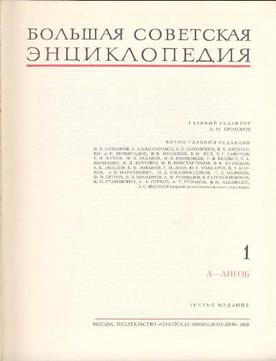
The first edition of the Great Soviet Encyclopedia, from 1927

Complete set of an English-language version of the Great Soviet Encyclopedia
📚 Structure And Organization
The Great Soviet Encyclopedia was organized like a library! 📚Each volume contained many articles arranged in alphabetical order, just like how your school library might be set up. This made it easy for readers to find what they were looking for. Each article had a title, just like a story or a chapter. They covered subjects like math, geography, biology, and literature. Some volumes even had pictures and maps 🗺️ to help explain complex topics. It was a great tool for students and teachers!
Go deeper🚨 Criticism And Controversies
Although the Great Soviet Encyclopedia was an important resource, it faced criticism! 🚨Some people felt it was biased because it promoted the ideas of the Soviet government and did not include diverse perspectives. This led to debates about the information quality and the importance of having different viewpoints represented. Additionally, some critics argued that the encyclopedia didn't cover significant global events outside the Soviet Union, limiting its usefulness in understanding the world as a whole. 💢These controversies remind us of the importance of seeking varied sources of knowledge!
Go deeper🌟 Notable Articles And Topics
The Great Soviet Encyclopedia had articles on various fascinating topics! 🌟Some popular subjects included space exploration 🚀, famous scientists like Albert Einstein, and important historical events. For example, it would describe the Russian Revolution or the achievements of Soviet astronauts. Additionally, there were sections on art, literature, and culture that celebrated Soviet creations 🎨. Each article helped readers learn about significant people, ideas, and events, making it a great educational tool!
Go deeper🧠 Key Contributors And Editors
Many smart people helped create the Great Soviet Encyclopedia! 🧠Notable contributors included scientists, writers, and historians. One important editor was Semyon Denisovich Mstislavsky, who helped make sure the information was accurate. The encyclopedia brought together experts from many fields to share their knowledge. These contributors worked hard to create a valuable resource that could help people learn and understand the world around them. 🤓Their hard work made the encyclopedia a trusted source of information!
Go deeper💻 Digital Access And Preservation
Today, many old encyclopedias like the Great Soviet Encyclopedia are being preserved digitally! 💻This means that people can read and learn from it online, even if the original books are no longer printed. Libraries and websites are working to make these important resources available to the public. This helps keep history and knowledge alive for future generations ⚡. By using technology, we can access information about our past whenever we want!
Go deeper🎓 Impact On Education And Scholarship
The Great Soviet Encyclopedia played a big role in education in the Soviet Union! 🎓Schools used it as a textbook. Students would read it for homework or use it for school projects. Teachers trusted it to provide solid information, which helped students learn about many subjects. It made knowledge easily available to everyone, helping schools improve their education systems. 📖By providing a wealth of information, it encouraged students’ curiosity and desire to learn more about the world!
Go deeper🏛️ Censorship And Ideological Influence
The Great Soviet Encyclopedia was influenced by the government of the Soviet Union. 🏛️ This meant some ideas and information were included while other ideas were left out. The government wanted to promote its own beliefs, so certain topics were censored or changed to fit its views. For example, articles about democracy might be limited or focused only on Soviet ideas, while topics that supported the government were given more attention. 🛑This is an important lesson about how information can be shaped by those in power!
Go deeper📅 History Of The Great Soviet Encyclopedia
The first edition of the Great Soviet Encyclopedia was published in 1926. 📅It was designed to help people learn more about the Soviet way of life and to share knowledge. It became very popular and was updated several times. The encyclopedia did not just include facts; it also explained how the Soviet government wanted people to think about those facts. 🙌Many people wrote for it, and it grew bigger each time an update was made! By 1990, it had completed 30 volumes filled with tons of information.
Go deeper🎭 Legacy And Influence On Russian Literature
The Great Soviet Encyclopedia had a big impact on Russian literature 🎭. Many famous Russian authors and poets contributed to it, and it inspired others to write. The encyclopedia also influenced how stories and history were told in literature. Writers used the information to develop characters and plots that reflected Soviet society and values. 📚As a result, the encyclopedia became a part of Russian culture, guiding future writers and artists.
Go deeper🌎 Comparative Analysis With Western Encyclopedias
When comparing the Great Soviet Encyclopedia to Western encyclopedias, there are some key differences! 🌎Western encyclopedias often include a variety of viewpoints, while the Great Soviet Encyclopedia focused on Soviet perspectives. For example, encyclopedias in other countries might discuss different types of government, politics, and history more openly. 📘Although both types aim to provide knowledge, the Great Soviet Encyclopedia was more controlled by the government, meaning it told a specific story rather than many stories.
Go deeper