Great Sandy Desert Facts For Kids
The Great Sandy Desert is a vast arid region in Australia known for its unique landscapes, diverse ecosystems, and rich Aboriginal heritage.

Do more with AI
Introduction
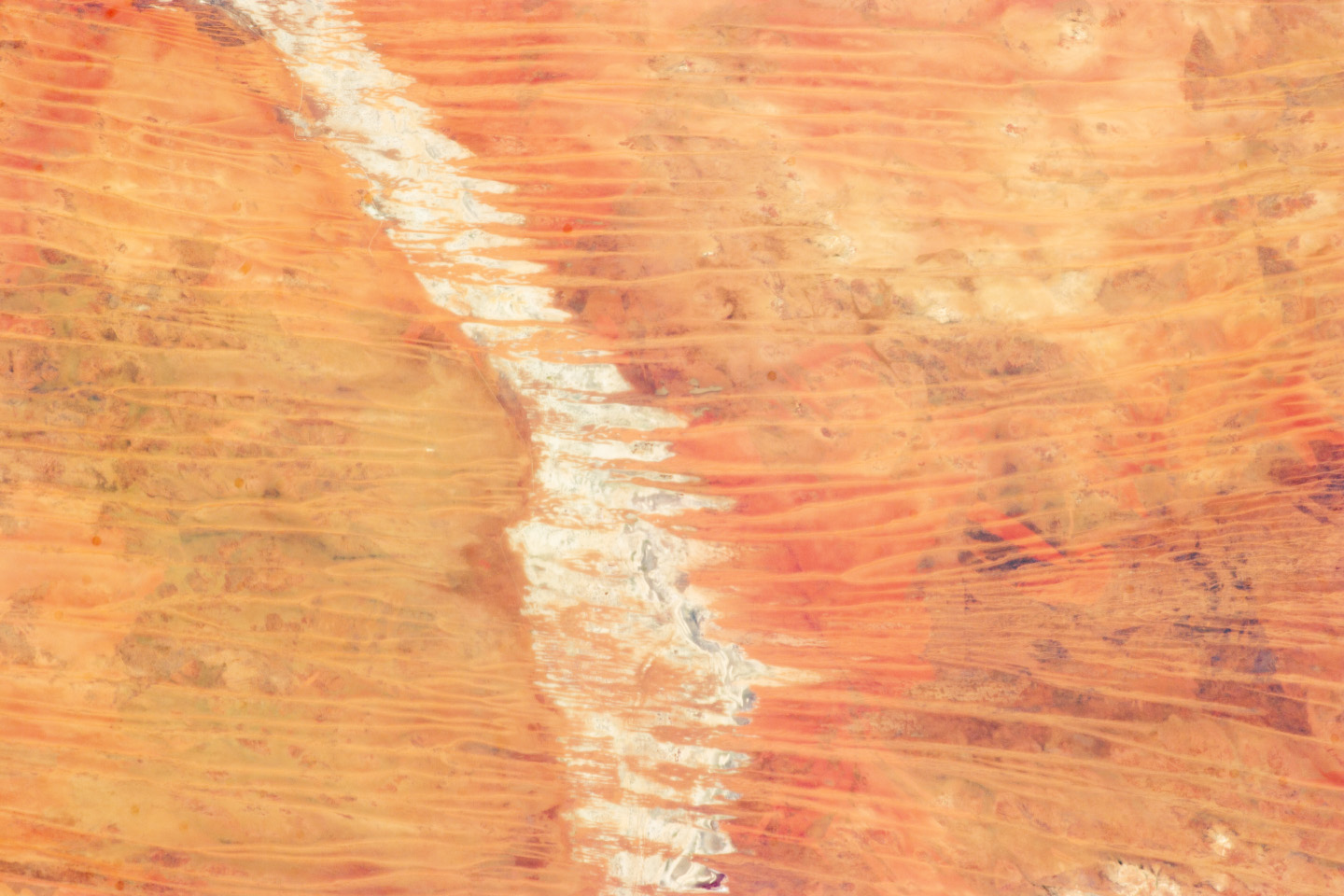
Welcome to the Great Sandy Desert! 🌵This amazing desert is located in Australia and covers 284,993 square kilometers. That’s about the size of the U.S. state of Utah! This desert is known for its beautiful sand dunes that can reach over 30 meters high! The Great Sandy Desert is home to many unique plants and animals that have adapted to live in hot and dry conditions. It’s an incredible place to learn about nature and the environment. So pack your bags, and let’s explore this fascinating land together! 🏜️
Images of Great Sandy Desert

Flora And Fauna
In the Great Sandy Desert, many plants and animals thrive despite the extreme heat! 🌿One common plant is the spinifex grass, which can grow well in sandy soil. You’ll also find hardy trees like the ironwood and acacia. As for animals, keep an eye out for kangaroos, dingoes, and many colorful birds! 🦜The desert is home to many reptiles, like the thorny devil, which can change color. Amazing, right? All these plants and animals have special ways to survive in this hot environment!
History And Geology
The Great Sandy Desert has a rich geological history that dates back millions of years! ⏳It was once covered by ancient seas, and over time, the seas dried up, leaving behind sand and clay. The unique red sand dunes we see today are a result of the weathering and erosion of rocks. The desert’s history helps scientists learn about Earth’s climate changes! 🏞️ Additionally, the Martu people have a long history here, using the land and passing down their stories and culture from generation to generation.
Conservation Efforts
To protect the Great Sandy Desert and its unique plants and animals, many organizations and people are working hard! 🌱The Western Australian government has set up conservation programs to help the fragile ecosystem. They aim to educate people about the importance of preserving this amazing place. 🌏Projects include restoring habitats, controlling invasive species, and working with Indigenous communities to share their traditional land management practices. Protecting the Great Sandy Desert helps ensure future generations can experience its beauty!
Educational Importance
The Great Sandy Desert is a fantastic place for kids to learn about nature, geography, and history! 📚School trips to the desert can show how ecosystems work and how climate affects the environment. Learning about the Martu people helps understand Indigenous Australian culture and traditions! 🌏Studying the desert also teaches us about conservation and why protecting our planet is important. So, whether you’re exploring it in books or in real life, the Great Sandy Desert is a rich source of knowledge waiting to be discovered! 🌟
Geography And Location
The Great Sandy Desert is found in the northern part of Australia, mainly in the state of Western Australia and a little in the Northern Territory. It's surrounded by the beautiful Kimberley region to the north and the Pilbara region to the west. 🌏The desert has a sandy floor covered with bushes and trees like spinifex grass. There are also some small mountain ranges called the McKay Range. This desert is a true testament to Australia’s unique geography! Can you imagine how big it is? That’s larger than many countries! 🌍
Tourism And Recreation
Visitors flock to the Great Sandy Desert for its stunning views and outdoor adventures! 🥾People can explore the famous Big Red sand dune, perfect for sandboarding! 🌄You can also spot camels or ride along the dunes on a tour. Many unique wildlife tours are available, giving travelers a chance to see the local flora and fauna. Camping under the stars is also a popular activity—imagine the twinkling lights in the sky! ✨The Great Sandy Desert offers endless fun and exploration for everyone!
Human Activity And Culture
The Great Sandy Desert is home to various Indigenous Australian groups, known as the Martu people. 🏺They have lived in the desert for thousands of years, using their knowledge of the land to hunt and gather food. The Martu tell stories through art and ceremonies, sharing their deep connection with the desert. Many Australians visit the area for outdoor adventures, like camping and exploring ancient rock art! 🏕️ It's fascinating how human culture and nature come together in this vast desert!
Climate And Weather Patterns
The climate in the Great Sandy Desert is super dry! ☀️ It has two main seasons: a hot summer and a cooler winter. During summer, temperatures can soar to 50°C (122°F) - that's really hot! ❗Winter is much cooler, with temperatures dropping to around 10°C (50°F). Rainfall is also very rare, with only around 300 millimeters (about 12 inches) of rain a year. 🌧️ Most of that rain falls during the summer months. The weather may be tough, but it makes the desert a truly special place!
Did you know?
🏜️ The Great Sandy Desert is Australia's second largest desert, covering an area of approximately 284,993 square kilometers.
🌞 It experiences incredibly high temperatures, often exceeding 50°C (122°F) during the summer months.
🌱 Despite its harsh conditions, the desert hosts a variety of unique plant species like Spinifex grass.
🐍 The desert is home to diverse wildlife, including reptiles such as the perentie, Australia's largest monitor lizard.
🌌 The Great Sandy Desert features stunning starry night skies, providing excellent conditions for stargazing.
🏕️ The area is significant to the Indigenous Martu people, who have inhabited the region for thousands of years.
🌧️ Rainfall in the Great Sandy Desert is extremely low, averaging less than 250 mm annually.
🚙 The desert is traversed by the iconic Gibb River Road, popular among adventure travelers.
🐨 The desert features a rich variety of ecosystems, including sand dunes, woodlands, and wetlands.
🌄 The Pinnacles and the expansive dune systems create unique and picturesque landscapes within the desert.
Great Sandy Desert Quiz
Learn more about Great Sandy Desert
