Gobisaurus Facts For Kids
Gobisaurus is a small, bipedal theropod dinosaur from the Late Cretaceous period, known for its carnivorous diet and distinct fossil remains found in Mongolia.
Select reading age

Gobisaurus Facts For Kids
Videos & Quizzesincluded
About this topic
The Gobisaurus is a fascinating dinosaur that lived around 70 million years ago during the Late Cretaceous period! 🦖Found in Mongolia, Gobisaurus was a plant-eating dinosaur, which means it chomped on leaves and plants rather than munching on other dinosaurs. It belonged to the group called sauropods, which were known for their long necks and big bodies. One of the cool things about Gobisaurus is that it is related to more famous dinosaurs like Brachiosaurus and Apatosaurus. It was a gentle giant, roaming the Earth when dinosaurs were the kings of the planet! 🌍
Explore with ChatDinoKey Points
Gobisaurus was first discovered in the Gobi Desert of Mongolia!
The fossils of Gobisaurus have been important for scientists studying dinosaurs!
Gobisaurus lived in the sandy deserts and lush areas of Mongolia.
Gobisaurus was a huge sauropod, which means it had a long neck and tail with a massive body!
Gobisaurus was a herbivore, which means it only ate plants!
Gobisaurus lived in groups called herds.
Gobisaurus is a member of the sauropod family, and it shares its relatives with other long-necked giants.
Gobisaurus, while not as famous as T. rex or Velociraptor, still has a place in our culture!
Photos of Gobisaurus
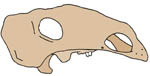
🏜️ Discovery History
Gobisaurus was first discovered in the Gobi Desert of Mongolia! 🏜️ The fossils were found in the 1980s, and scientists named it Gobisaurus because it came from Gobi. The exciting discoveries were made by teams of paleontologists, who are scientists that study dinosaur bones. The first fossils included parts of its spine and leg bones. 🦴Once scientists studied these bones, they realized that Gobisaurus was unique and needed its very own name. The discovery gave us clues about what dinosaurs looked like millions of years ago and how they lived!
Go deeper🌟 Fossil Record And Legacy
The fossils of Gobisaurus have been important for scientists studying dinosaurs! 🌟Fossils provide clues about how these magnificent creatures lived, what they ate, and even how they looked. The bones found in Mongolia are carefully examined and compared with other dinosaur fossils. As new discoveries are made, our understanding of Gobisaurus and its relatives improves! 📚This dinosaur reminds us of the amazing variety of life that once roamed the Earth. The legacy of Gobisaurus continues, teaching us about history and the importance of dinosaurs in our planet's story.
Go deeper🌳 Habitat And Distribution
Gobisaurus lived in the sandy deserts and lush areas of Mongolia. 🇲🇳 During the Late Cretaceous period, much of the Gobi Desert was covered with plants and trees. It thrived in this environment, where it had plenty to eat. 🌳Gobisaurus roamed in herds, moving around in search of food. The climate in the area was also warm, perfect for growing all the plants Gobisaurus loved to munch on! The discovery of Gobisaurus in this unique habitat helps scientists understand what life was like for dinosaurs millions of years ago.
Go deeper🦕 Physical Characteristics
Gobisaurus was a huge sauropod, which means it had a long neck and tail with a massive body! 🦕It could grow up to about 60 feet long, making it as long as two school buses! Its legs were strong and thick, helping it to stand tall and walk. Gobisaurus likely had a small head compared to its body and may have had a flat, wide nose. 🐢With its long neck, it could reach high trees to munch on tasty leaves. Its body was covered in tough skin, which protected it from predators hunting for a meal.
Go deeper🍃 Diet And Feeding Behavior
Gobisaurus was a herbivore, which means it only ate plants! 🍃This giant dinosaur had a special adaptation—the long neck—which allowed it to reach high leaves from tall trees. It likely spent most of its day munching on ferns, conifers, and other tasty vegetation. Gobisaurus didn't have sharp teeth like meat-eating dinosaurs; instead, it had flat teeth that were perfect for grinding up tough plant material. 🦷It is believed that Gobisaurus could eat up to 1,000 pounds of plants every day! That's like eating an entire car filled with salad! 😃
Go deeper🐾 Behavior And Social Structure
Gobisaurus lived in groups called herds. 🐾Being part of a herd helped protect them from predators, like the swift Velociraptor! Working together, they could watch for danger and look out for one another. Social creatures like Gobisaurus would communicate through vocal sounds and body language. 🎶When one member spotted food or danger, it could signal the rest of the herd. This teamwork made it easier to survive in the wild, where other dinosaurs may attack them. Being in a social structure also helped Gobisaurus enjoy the company of fellow dinosaurs!
Go deeper🦒 Related Species And Evolution
Gobisaurus is a member of the sauropod family, and it shares its relatives with other long-necked giants. 🦒In the family tree of dinosaurs, it is closely related to creatures like Brachiosaurus and Apatosaurus. Over millions of years, these dinosaurs evolved different features to adapt to their environments! The long neck was important for reaching food, while their thick legs helped support large bodies. Scientists use fossil records to explore the evolutionary history of these dinosaurs, revealing how they adapted to survive in their world! 🌳🔍
Go deeper🎨 Cultural Impact And Representation
Gobisaurus, while not as famous as T. rex or Velociraptor, still has a place in our culture! 🎨It appears in educational books and documentaries, helping kids learn about dinosaurs. Some toy companies even create Gobisaurus figures for kids to play with! 🧸These toys encourage imagination and exploration of the dinosaur world. Movies and cartoons often feature friendly dinosaurs, influencing how we think about these ancient creatures. Gobisaurus teaches us that even the lesser-known dinosaurs can inspire curiosity and fascination!
Go deeper