Gesneriaceae Facts For Kids
Gesneriaceae, or the gesneriad family, is a group of flowering plants consisting of about 152 genera and around 3,000 species, known for their vibrant flowers and lush foliage.
Select reading age

Gesneriaceae Facts For Kids
Videos & Quizzesincluded
About this topic
Gesneriaceae, also known as the gesneriad family, is a fascinating group of flowering plants! 🌼There are around 152 different types or genera in this family, which means there are plenty of cool plants to learn about! Some well-known examples include African violets and gloxinias. 🌿These plants come in various shapes, sizes, and colors, making them really fun to grow in gardens or at home. They are mostly found in tropical and subtropical regions, which means they love warm weather! 🌞Let’s dive deeper into the world of gesneriads in the sections below!
Explore with ChatDinoKey Points
Did you know that some gesneriads can grow in surprising places?
Gesneriaceae has a long and interesting history!
In various cultures, gesneriads have special meanings and roles!
Gesneriaceae plants play a significant role in their ecosystems!
Gesneriaceae plants mainly grow in tropical and subtropical regions around the world.
Sadly, many gesneriad species face threats due to habitat loss and climate change.
Gesneriads are known for their beautiful, often colorful flowers.
Some fascinating species within the Gesneriaceae family include Streptocarpus, Sinningia, and Achimenes.
Growing Gesneriaceae plants at home can be a fun and rewarding experience!
Some peoples have used gesneriad plants in traditional medicine for years!
Photos of Gesneriaceae

Haberlea rhodopensis flowers

Corytoplectus capitatus is a large plant with fruit that are black berries.

Ramonda myconi fruit are dry dehiscent capsules.

Rhynchoglossum notonianum

Gesneriaceae — photo 5

Gesneriaceae — photo 6
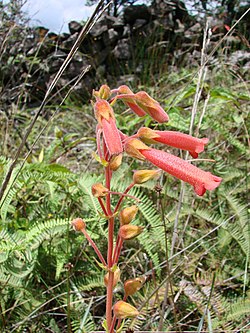
Gesneriaceae — photo 7

Gesneriaceae — photo 8
😲 Interesting Facts
Did you know that some gesneriads can grow in surprising places? 😲For example, certain types can be found high up in trees or even in rocky crevices! Additionally, they are often called "Gesneriads" after the famous botanist, Césalpinus Gesner! 📖Many people enjoy collecting these plants as houseplants, and they can bloom year-round with proper care! 🌺Another fun fact is that African violets make great gifts, as they symbolize love and friendship! 🎁There’s so much to discover about these amazing plants that we can always learn more!
Go deeper🌳 Evolutionary History
Gesneriaceae has a long and interesting history! 🌳Fossil records show that these plants have been around for millions of years, growing alongside dinosaurs! 🦖The family likely started in tropical regions before spreading to other areas of the world. Over time, different types evolved to adapt to their surroundings, which is why we now have so many varieties. Through natural selection, certain plants developed unique traits that helped them survive and thrive in their habitats. 🌿This amazing journey through time shows us how nature shapes the world around us!
Go deeper🌍 Cultural Significance
In various cultures, gesneriads have special meanings and roles! 🌍For example, African violets are often seen as symbols of love and loyalty in many African cultures, being gifted to express feelings. 💕They are popular plants in homes around the world! Also, in some regions, gesneriads are a part of local art, inspiring paintings and crafts. 🎨People enjoy incorporating the beauty of these flowers into their daily lives. In gardening communities, they often bring people together through shared love for these wonderful plants, highlighting their cultural significance. 🌼
Go deeper🌼 Ecological Importance
Gesneriaceae plants play a significant role in their ecosystems! 🌼They provide food and habitat for many animals, including insects and birds. Their bright, vibrant flowers attract pollinators like bees and butterflies, helping plants reproduce and grow! 🐛🌸 Additionally, their leaves provide hiding places and food for small creatures. By producing oxygen and absorbing carbon dioxide, they also help keep our air clean! 🌬️ These plants contribute to the beauty of rainforests and help maintain a balanced ecosystem, showing us how important they truly are! 🌱
Go deeper🌍 Habitat And Distribution
Gesneriaceae plants mainly grow in tropical and subtropical regions around the world. 🌍You can find them in places like Central America, South America, and parts of Africa and Asia! 🌳They love being in shaded areas, such as under trees or in cool, damp forests. Some species even grow on rocks or tree trunks, which is called epiphytic growth! 🌿This unique lifestyle helps them soak up moisture and nutrients. Also, because these plants are found in warm climates, they might need special care if you want to grow them in colder places. ❄️
Go deeper🌎 Threats And Conservation
Sadly, many gesneriad species face threats due to habitat loss and climate change. 🌎Deforestation, pollution, and urban development can destroy the natural homes of these plants. Some species are endangered and need our help to survive. 🌱Conservation efforts are essential, like creating protected areas where these plants can thrive. You can help by supporting local environmental initiatives and learning about their importance! 🌳By caring for our planet and its beautiful plants, we contribute to a greener future for gesneriads and many diverse species! 🌿
Go deeper🌈 Botanical Characteristics
Gesneriads are known for their beautiful, often colorful flowers. 🌈Most have soft, fuzzy leaves that can be green, purple, or even variegated! The flowers usually have five petals and can be shaped like trumpets or bells. 🎺They grow from rhizomes or tubers, which are special underground stems that store nutrients. This helps them get bigger and bloom beautifully! Another cool thing is that many gesneriads are shaped to attract specific pollinators like bees or hummingbirds. 🐝🌺 All these traits help these plants thrive and flourish in their environments!
Go deeper🌟 Notable Genera And Species
Some fascinating species within the Gesneriaceae family include Streptocarpus, Sinningia, and Achimenes. 🌟Streptocarpus, also known as Cape primrose, features lovely flowers in different colors, from blue to purple! 🌈Sinningia, including the popular gloxinia, is known for its attractive blooms. Achimenes, or magic flowers, can produce eye-catching flowers and are great for trailing or hanging baskets. 🌼Each of these has its unique characteristics, making them special in their own ways! If you see any of these types in a garden, take a closer look at their pretty flowers! 🌸
Go deeper🌱 Cultivation And Horticulture
Growing Gesneriaceae plants at home can be a fun and rewarding experience! 🌱They often enjoy bright, indirect sunlight and well-draining soil. Make sure to water them regularly, but don’t overdo it! 💧These plants like their soil to be moist, but they can’t stand sitting in water. You can grow them from seeds or cuttings, which makes propagation exciting! 🌿Common plants, like African violets, can be nurtured indoors and are perfect for beginner gardeners. With the right care, your gesneriads will reward you with stunning blooms and lush greenery! 🌺
Go deeper🌍 Uses In Traditional Medicine
Some peoples have used gesneriad plants in traditional medicine for years! 🌍For example, the African violet is known for its soothing properties. Its leaves can be brewed into teas to help with coughs and throat issues. ☕Other species in the family have been used for treating headaches or stomachaches. People believed that the gentle beauty of these plants also brought happiness and calmness. 🌼While we should always check with a doctor before using plants for medicine, it’s interesting to see how nature has been used for healing throughout history! 🌱
Go deeper