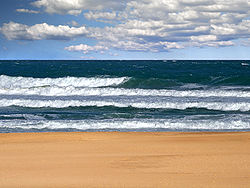
Geography is the study of the lands, features, inhabitants, and phenomena of Earth.

Set reading age
View for Kids
Easy to read and understand
View for Students
Clear, detailed explanations
View for Scholars
Deep dives and big ideas
Geography ๐ is the study of our planet, Earth! It helps us understand where things are and why they are there. Geographers look at mountains ๐๏ธ, rivers ๐, buildings ๐๏ธ, and even people! By studying geography, we learn about different countries, climates, and cultures. For example, did you know that the highest mountain, Mount Everest, is in Asia? Its peak reaches 29,032 feet (8,848 meters)! Knowing geography helps us appreciate our world and how everything connects. Whether itโs finding the best route to school or learning about distant lands, geography is an exciting adventure! ๐บ๏ธ
Human Geography studies how people interact with their environment! ๐It looks at where people live, how they move, and how societies work. For example, Tokyo ๐๏ธ in Japan is one of the busiest cities, with over 14 million people! Human geographers also explore cultural practices like languages, religions, and traditions. Did you know that over 7,000 languages are spoken worldwide? ๐This branch helps us understand how geography shapes our daily lives. Urban areas grow differently than rural areas (like farms ๐พ). Understanding Human Geography helps us appreciate the diverse ways people live and interact!
Urban Geography explores cities ๐๏ธ and how they grow, develop, and change. It studies the layout of cities, including buildings, roads, and parks. Did you know that cities like Tokyo and New York City are megacities? They have over 10 million people each! Urban geographers also pay attention to transportation ๐ and how people move within cities. Some cities have subways, while others rely on buses or bikes. Challenges like traffic congestion and pollution ๐ซ๏ธ are important issues too. By studying Urban Geography, we learn how to make cities better places to live for everyone!
Cultural Geography focuses on the ways people live and share their traditions ๐. It studies things like food ๐, music ๐ถ, dance ๐, and holidays ๐ from different cultures. For instance, in India, the festival of Diwali celebrates lights and happiness! People use colorful decorations, sweets, and fireworks. Each culture has unique ways of expressing itself. Additionally, cultural geography examines how geography influences culture, like how the geography of Italy makes people enjoy pasta ๐. Itโs all about celebrating diversity and understanding how different cultures add color to our world!
Physical Geography is all about the natural features of our planet! ๐This includes mountains, rivers, forests, and deserts. Mountains like the Rockies span the western United States, while the Amazon River ๐, the second longest river in the world, flows through South America. Climate also plays a big role in Physical Geography. For example, polar regions like Antarctica are super cold and icy! โ๏ธ Studying this branch helps us understand Earth's landscapes and how they change over time. Weather, ecosystems, and natural disasters (like earthquakes ๐ช๏ธ) are also important. Together, they show us how dynamic our planet can be!
Population Geography focuses on people! ๐งโ๐คโ๐ง It studies where people live and why, looking at population growth, density, and movement. World population has grown to over 8 billion people! ๐Some areas, like cities, have lots of people packed closely together, while rural areas have fewer. For example, cities like Mumbai in India are bustling with around 20 million people! Population Geography also examines how factors like birth rates, health, and migration affect communities. Learning about different populations helps us understand their needs and how to create a better world for everyone!
Geography has many branches like a big family tree! ๐ณThe main branches are Physical Geography ๐ (studying nature) and Human Geography ๐งโ๐คโ๐ง (studying people). In Physical Geography, we explore landforms like valleys and plateaus, as well as climates. Did you know the Sahara Desert in Africa is the largest hot desert in the world? On the other side, Human Geography looks at how people live, work, and interact. It includes cities, cultures, and economies. For example, New York City ๐ is famous for its skyscrapers and diverse population. Each branch helps us learn about Earth and its inhabitants!
Environmental Geography studies the relationship between people and nature ๐ณ. This branch explores how human activities affect our environment. For instance, cutting down forests ๐๏ธ can lead to habitat loss. Did you know that deforestation causes the loss of about 18 million acres of forests every year? That's like losing 27 soccer fields every minute! Environmental geographers also look for ways to protect our planet. They study climate change, pollution ๐, and conservation. By learning in this field, we can help keep Earth healthy! Small actions, like recycling โป๏ธ and saving water, contribute to a cleaner and greener environment.
Geographers use many cool tools and techniques in their work! ๐Map-making (cartography) is one important skill. Maps can be physical, digital, or even 3D! Geographers also use GPS (Global Positioning System) to find exact locations on Earth. ๐งญAnother tool is remote sensing, where satellites capture images from space! These images can show changes to the land, like deforestation or urban growth. Geographers may also collect data through surveys or field studies. Using these tools, they analyze and understand different aspects of our world. Each technique helps us learn more about the amazing planet we call home! ๐
Geographical Information Systems (GIS) is a super cool tool! ๐ฐ๏ธ It helps us map and analyze information about the world. GIS combines technology, data, and geography. For example, it can show maps of cities and use colors to indicate population density. This helps city planners ๐ ๏ธ decide where to build roads or parks! GIS is used in many areas, like weather forecasting โ๏ธ and environmental studies. By layering different types of data, GIS helps us understand patterns. Imagine playing a video game where you explore a city while learning about it! Thatโs the magic of GIS in real life!


DIY is a creative community where kids draw, build, explore ideas, and share.
No credit card required