Gene Flow Facts For Kids
Gene flow is the process of transferring genetic material between different populations of organisms, enhancing genetic diversity and adaptability.
Select reading age
Gene Flow Facts For Kids
Videos & Quizzesincluded
About this topic
Gene flow is like a magical bridge that allows living things to share their special traits! 🌉It happens when animals and plants from different groups exchange genes, which are tiny pieces of information that help decide how they look and behave. This exchange can happen in various places around the world, like forests 🌳, oceans 🌊, and even gardens 🌻. It helps make living things healthier and more interesting! Without gene flow, all plants and animals might end up too much alike, making it harder for them to survive. The world is more fun and lively because of gene flow! 🎉
Explore with ChatDinoKey Points
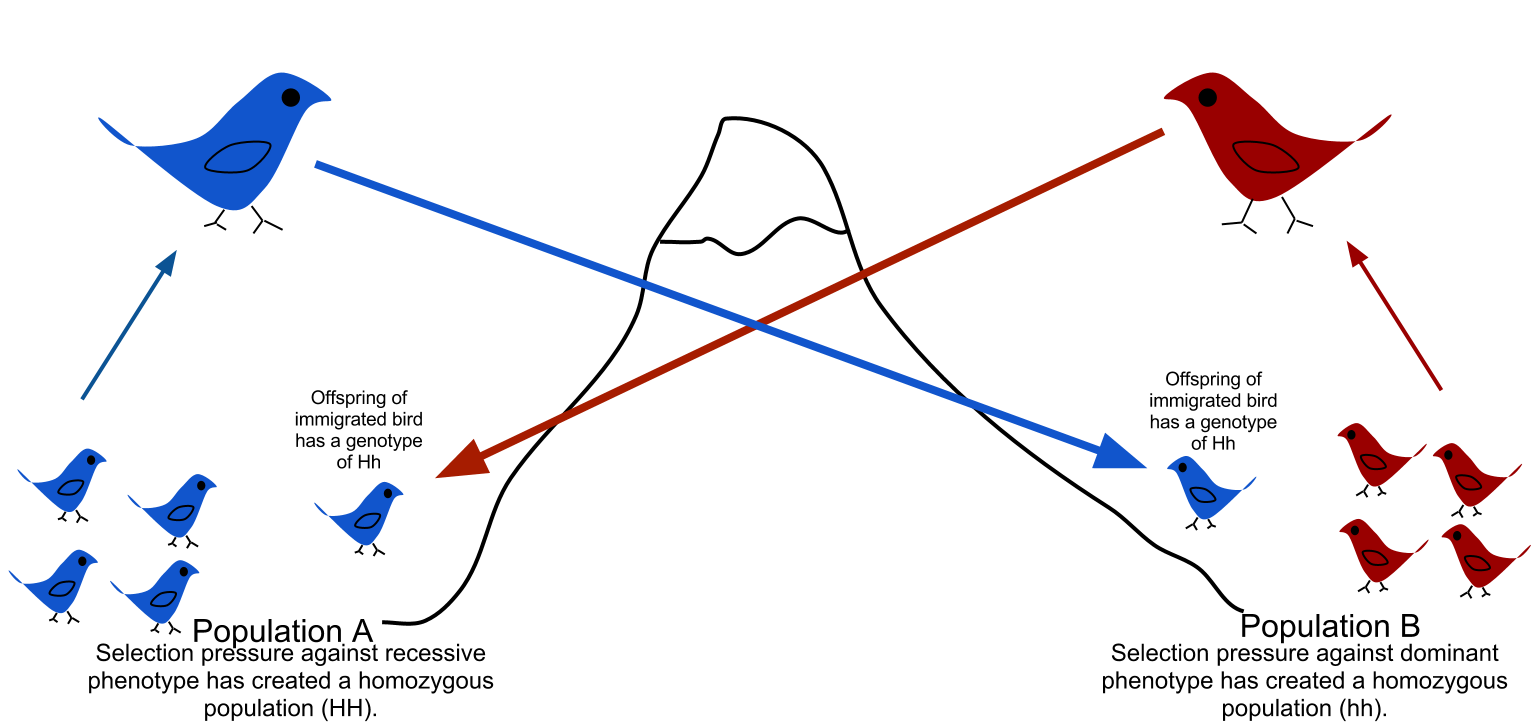
Gene flow means the transfer of genes between different groups of the same species or even different species!
There are different ways gene flow can happen in nature.
Let’s look at some fascinating case studies involving gene flow!
Humans can affect gene flow in many ways.
Gene flow in plants often happens through pollination!
Animals also share genes with others through gene flow!
Gene flow helps keep all living things diverse and exciting!
Gene flow plays a big part in how species change over time, known as evolution!
Conservation genetics is about protecting species and their habitats!
The future of gene flow research is super exciting!
Photos of Gene Flow

Examples of speciation affecting gene flow.

Marine iguana of the Galapagos Islands evolved via allopatric speciation, through limited gene flow and geographic isolation.
🦋 Definition Of Gene Flow
Gene flow means the transfer of genes between different groups of the same species or even different species! 🦋For example, if two groups of bees meet and share pollen 🍯, some of their genes mix together. This allows new traits to develop in those bees, making them stronger or better at finding food! Gene flow is important for keeping ecosystems vibrant and diverse. It can happen in various ways, such as when animals move around or when pollen is carried by wind or insects. 🌬️ So, gene flow is like trading cool features among friends!
Go deeper🌍 Mechanisms Of Gene Flow
There are different ways gene flow can happen in nature. One way is through migration! 🌍When animals travel to new places, they may meet other animals, and they can mix their genes together. For example, birds flying south for winter meet other birds and share different traits! 🐦Another method is pollination. Bees and butterflies collect nectar from flowers, and when they move from one to another, genes mix! 🌸The wind can also carry seeds and pollen, spreading genes far. Additionally, rivers and streams can carry animals or plants to new homes, creating opportunities for gene flow!
Go deeper🍃 Case Studies Of Gene Flow
Let’s look at some fascinating case studies involving gene flow! 🍃One example is the Florida panther, a wild cat that was nearly extinct. 🐆When scientists introduced female Texas panthers to the Florida panthers, it helped mix their genes. This improved their health and helped their population grow stronger! 📈Another example is the ocean coral reefs. When corals near one beach release eggs, those eggs can travel great distances and mix with other coral populations. This sharing of genes helps coral adapt, which is vital for the entire ocean ecosystem! 🌊💖 These stories show how gene flow makes a difference!
Go deeper🌏 Human Impact On Gene Flow
Humans can affect gene flow in many ways. 🌏We build roads and cities, which can block animals’ movements to meet others. 🚧Sometimes, we even plant only one type of crop, making it harder for plants to mix their genes! This can lead to less diverse and weaker plants. Humans also create pollution and climate change, which can affect how species thrive and survive. 🏭However, people can also help! By creating wildlife corridors or conservation areas, we can keep gene flow strong and help every kind of life flourish. Together, we can protect nature! 🌱
Go deeper✨ Gene Flow In Plant Species
Gene flow in plants often happens through pollination! ✨When bees, butterflies, and even the wind help pollen move from one flower to another, genes mix! 🌻For example, corn plants can be pollinated by wind, allowing traits from different corn types to create healthier crops. 🌽Another way is through seeds that travel far. Some plants have seeds that stick to animal fur or float on water! 🚣♂️ The mixing of genes helps plants adapt better to their surroundings, which is especially important when conditions change. Stronger, diverse plants help feed animals and people too!
Go deeper🦓 Gene Flow In Animal Species
Animals also share genes with others through gene flow! 🦓A fun example is when fish swim in rivers and connect with other fish populations. This can mix their genes, creating new patterns and colors! 🌊🐟 Birds often migrate to different regions and join other groups, sharing traits that can improve their survival. 🕊️ Additionally, when animals move to new habitats, like jungles or mountains, they can meet other animals they’ve never seen before! This adds excitement to their gene pool. So, gene flow helps animals get adapted and can create beautiful new creatures over time! 🎉
Go deeper🌈 Effects On Genetic Diversity
Gene flow helps keep all living things diverse and exciting! 🌈When different groups share genes, it leads to a variety of traits, like different colors, sizes, or behaviors. This diversity is super important because it helps populations adapt to changing environments, like climate change or new diseases. 🦠For example, if some plants can resist droughts while others thrive in wet conditions, together they make a stronger community. If there's no gene flow, species can become more similar, making them weaker. So, in nature, diversity created by gene flow is like adding different colors to a painting! 🎨
Go deeper🦕 Role Of Gene Flow In Evolution
Gene flow plays a big part in how species change over time, known as evolution! 🦕When different groups of the same species share genes, it helps make new and interesting traits, like longer legs or stronger beaks. These changes might help them survive better in the wild. If a group of rabbits has genes from another group that changes their fur color for camouflage, they might hide from predators more effectively! 🐇✨ By mixing genes, nature keeps building amazing variations that help living things thrive in diverse environments. Gene flow is like writing new chapters in the story of life! 📖
Go deeper🌍 Gene Flow And Conservation Genetics
Conservation genetics is about protecting species and their habitats! 🌍Gene flow is important here because it increases genetic diversity, which helps species stay strong! For example, when endangered animals and plants from different areas can breed, they create healthier offspring. 🦋This helps them adapt to their environments and survive challenges, like diseases or climate change! 🌡️ With the help of gene flow, conservationists can plan programs that protect animals and plants, support their movement between areas, and keep ecosystems balanced and thriving. This way, every creature can be part of Earth’s beautiful story! 🌎
Go deeper🚀 Future Directions In Gene Flow Research
The future of gene flow research is super exciting! 🚀Scientists are discovering more about how gene mixing helps species adapt to changes in their environments. They are using technology like DNA sequencing to study genetic patterns and find ways to support endangered species. 🔬✨ Researchers are also studying how climate change affects gene flow, especially in animals migrating and plants growing. Understanding gene flow can help us develop better conservation programs and protect the planet. 🌎By unlocking nature's secrets, we can learn how to keep all living things thriving for generations to come! 🌟
Go deeper