Garnet Group Facts For Kids
Garnets are a group of silicate minerals known for their beautiful colors and toughness, used as gemstones and abrasives since the Bronze Age.
Select reading age
Garnet Group Facts For Kids
Videos & Quizzesincluded
About this topic
Garnets are special minerals that come in many colors, including red, green, yellow, and purple! 🌈They are found all over the world, but some famous places for garnets include the United States, Sri Lanka, and India. People have been using garnets for a very long time—since the Bronze Age, which was around 3000 years ago! 🕰️ People love garnets because they are beautiful and shiny, making them great for jewelry like necklaces and rings. 💍
Explore with ChatDinoKey Points
Since the very beginning, garnets have played important roles in history!
Not all garnets are created equal!
There are several types of garnets, each with its own unique look and properties!
Garnets are tough minerals that are known for their hardness, which means they don't scratch easily!
To keep your garnet jewelry looking shiny and new, just a little care is needed!
Garnets are more than just pretty rocks; they also hold special meanings in cultures!
Garnets are found in many places on Earth!
Did you know that garnets are used for more than just pretty jewelry?
Garnets are made up of specific elements called silicate minerals.
Photos of Garnet Group

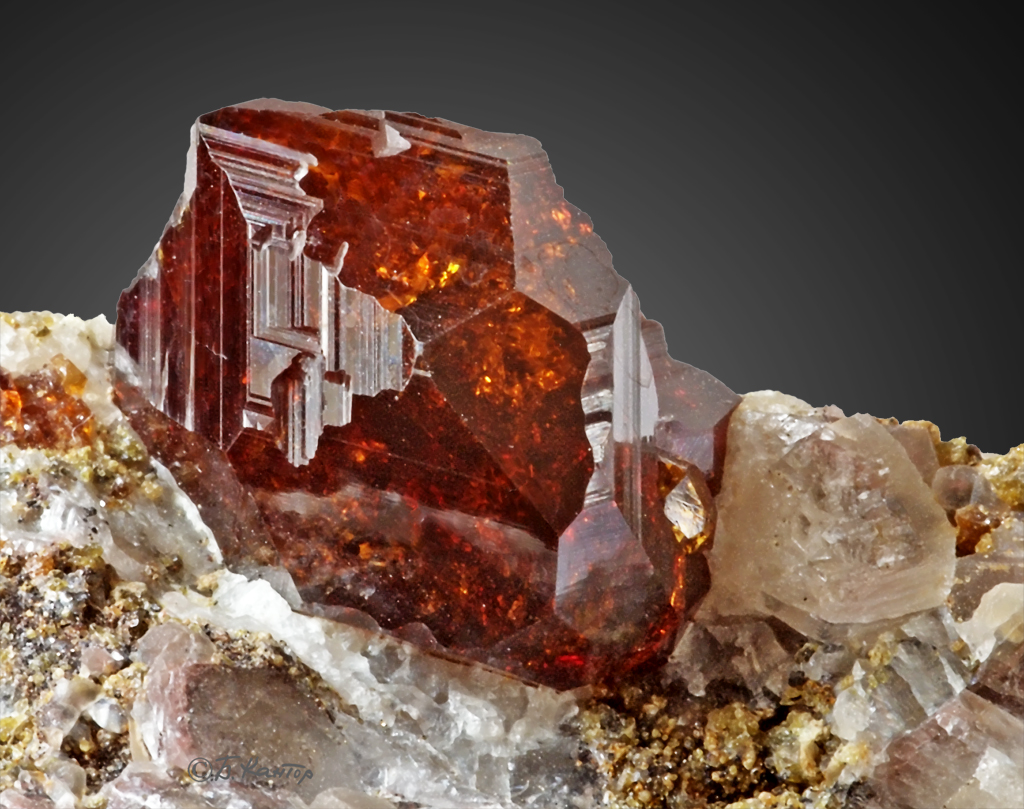
A sample showing the deep red color garnet can exhibit.

Garnet Group — photo 2

Garnet Group — photo 3
Garnet Group — photo 4

Almandine in metamorphic rock

Spessartine (the reddish mineral)

Grossular garnet from Quebec, collected by Dr John Hunter in the 18th century, Hunterian Museum, Glasgow

Grossular garnets on display at the U.S. National Museum of Natural History. The green gem at right is a type of grossular known as tsavorite.

Main garnet producing countries
🎭 Historical Use
Since the very beginning, garnets have played important roles in history! 🎭Ancient civilizations, like the Romans, wore garnets as jewelry to showcase their status. They were also used in carvings and other art pieces. 🍷During the Middle Ages, garnets were believed to have special powers, helping people find safe passage during travels. Explorers would carry garnets as good luck charms! 🗺️ Today, garnets continue to be loved for their beauty and historical significance!
Go deeper✨ Gemstone Quality
Not all garnets are created equal! ✨Gemstone quality garnets are determined by their color, clarity, cut, and size. The prettier the color, especially if it's deep and rich, the more valuable it can be! 💎A clear garnet without any blemishes (tiny marks) is often worth more than one with lots of flaws. The cut, or shape that the garnet is made into, also affects its beauty and value. 🌹So, if you see a sparkling garnet, it might just be a top-quality gem!
Go deeper🍏 Types Of Garnets
There are several types of garnets, each with its own unique look and properties! Some common types include Almandine (red or brown), Pyrope (deep red), and Grossular (green). 🍏There’s also Andradite, which can be yellow or brown, and Spessartine, which is often orange. 🧡Some garnets even change color depending on how the light hits them! Exciting, right? They all come from the same family but look different and have different uses, making garnets super cool! 🌟
Go deeper💪 Physical Properties
Garnets are tough minerals that are known for their hardness, which means they don't scratch easily! 💪On the Mohs scale of mineral hardness, garnets score about 6.5 to 7.5. This makes them perfect for making jewelry. They also have a shiny appearance called luster, which comes from how they reflect light. ✨Garnets can be transparent like a clear glass or opaque, meaning you can’t see through them. This variety makes them interesting for collectors!
Go deeper😊 Care And Maintenance
To keep your garnet jewelry looking shiny and new, just a little care is needed! 😊You can clean them using warm soapy water and a soft cloth. Just remember, no harsh chemicals or cleaners, as they can damage the garnet! 🧼Always store garnets separately to avoid scratches from other jewelry. Keeping them safe will help ensure they stay beautiful for years to come! For those who wear garnet rings or earrings, a quick clean every now and then will keep them shining bright!
Go deeper🌟 Cultural Significance
Garnets are more than just pretty rocks; they also hold special meanings in cultures! 🌟In ancient Egypt, garnets were thought to protect against evil spirits and bring good luck. They were often buried with pharaohs to help them in the afterlife. ⚰️ In modern times, garnets are the birthstone for January, which means people born in that month are often given them as gifts. 🎁They symbolize love and friendship, making them a wonderful present for loved ones!
Go deeper🌍 Geological Occurrence
Garnets are found in many places on Earth! 🌍They form deep beneath the surface during high-temperature and high-pressure conditions. You can find them in metamorphic rocks created from other rocks being put under stress. Areas like the Adirondack Mountains in New York and the Alps in Europe are rich in garnets. 🏔️ They can also be found in gravel deposits where rivers carry them away from their original place. This makes it possible to find garnets in streams and riverbeds! 💧
Go deeper🎉 Industrial Applications
Did you know that garnets are used for more than just pretty jewelry? 🎉That’s right! Garnet is also a super abrasive material, making it great for cutting and grinding tools! It’s often used in sandpaper and waterjet cutting machines. 🏗️ They help smooth rough surfaces! In addition, garnets can be used to make filters for water and to clean surfaces in industries. That means every time you see garnets, they might be helping businesses do their jobs better!
Go deeper🔷 Composition And Structure
Garnets are made up of specific elements called silicate minerals. They have a special crystal structure that looks like a cube or dodecahedron (which has 12 sides!). 🔷Garnets are made of a combination of aluminum, iron, and magnesium, which gives them their unique colors. There's also a fun fact: different types of garnets can be made from different combinations of these elements! 🎨This makes every garnet a little different from each other, even if they are the same color.
Go deeper