Gan Chinese Facts For Kids
Gan Chinese is a group of Sinitic languages spoken primarily in Jiangxi province, China, with notable populations in Hunan, Hubei, Anhui, and Fujian.
Select reading age
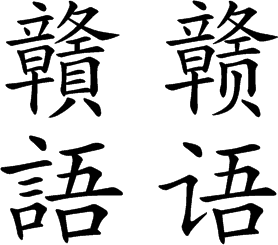
Gan Chinese Facts For Kids
Videos & Quizzesincluded
About this topic
Gan Chinese (干话) is a special language spoken mostly in Jiangxi Province, China! 🌏Many people also speak it in nearby places like Hunan, Hubei, Anhui, and Fujian. Gan is one of the many languages in the Sinitic family, which includes Mandarin and Cantonese! 🤓Although there are around 22 million people who speak Gan, it is less famous than other Chinese languages. Gan Chinese is unique because it has its own words, sounds, and expressions, making it special for those who use it every day! 🌟
Explore with ChatDinoKey Points
Gan Chinese has some cool features!
Gan Chinese uses Chinese characters, just like Mandarin and other Chinese languages!
Gan Chinese is an important part of culture in Jiangxi province!
Gan Chinese has a long history!
Gan Chinese is not just one language; it's made up of several dialects!
Today, Gan Chinese is still spoken by millions!
Gan Chinese can be found in many books, movies, and songs!
Gan Chinese is one of the many languages in China and is different from others!
Many people care about keeping Gan Chinese alive!
Photos of Gan Chinese

The area coloured in light yellow shows the Gan-speaking region in the PRC.

The main areas of Gan languages in mainland China.
✨ Linguistic Features
Gan Chinese has some cool features! ✨For example, it has six tones, which means that the pitch you use can change a word's meaning. 🎵Gan also uses unique vocabulary, which makes it different from other Chinese languages. It has about 1,800 basic words! People can express thoughts and feelings in special ways, like using "得" (de) to say "must" or "can." Understanding these features is important for speaking and writing in Gan! Writing Gan can be tricky because sometimes, it uses different characters than Mandarin, adding to its uniqueness! ✍️
Go deeper✍️ Writing Systems Used
Gan Chinese uses Chinese characters, just like Mandarin and other Chinese languages! ✍️ However, some characters can be different, reflecting Gan's unique words. For example, the character for "water" is "水" (shuǐ) in Mandarin and Gan. Although some Gan speakers enjoy using characters, others may use a phonetic system that writes sounds instead of characters, making writing easier! 🌊This flexibility helps more people learn how to write and read Gan Chinese, making it accessible and fun for everyone! 📚
Go deeper🎉 Cultural Significance
Gan Chinese is an important part of culture in Jiangxi province! 🎉It has unique festivals, songs, and stories that help people express their ideas, history, and traditions. One famous celebration is the Gan River Festival, where people share songs and dances in Gan. 🎤This language helps people connect with their roots and share their identity. In everyday life, you can find Gan Chinese in local markets, at family gatherings, and during celebrations. By using Gan, the people of Jiangxi can keep their rich culture alive for everyone to enjoy! 🌈
Go deeper🕰️ History Of Gan Chinese
Gan Chinese has a long history! 🕰️ It started developing around 1,400 years ago, during the Tang Dynasty (618-907 AD). People from northern China moved to Jiangxi Province, bringing their language and mixing it with the local dialects. This mix created Gan. 📜The language continued to change over time, influenced by wars, migrations, and cultural exchanges. In the 20th century, Gan became more organized as people began to study and write about it. Today, many efforts help keep Gan alive so the next generations can enjoy this rich language! 🎉
Go deeper🌍 Dialects Of Gan Chinese
Gan Chinese is not just one language; it's made up of several dialects! 🌍Some of the main dialects include Nanchang, Yichun, and Jiujiang. Each dialect has its own unique pronunciation and words. For example, people from Nanchang might say things differently than those from Yichun! They can even use different expressions for common things! 🤔These dialects reflect the cultural diversity of people living in Jiangxi and nearby regions, showing how Gan changes in different places! Learning about these dialects can open a fun world of sounds and phrases! 🎶
Go deeper🌍 Modern Usage And Influence
Today, Gan Chinese is still spoken by millions! 🌍Many people use it at home, school, and work. In Jiangxi, you can hear Gan in everyday conversations, local news, and radio broadcasts. 🎧With technology, Gan has found its way into social media and text messages too! People enjoy sharing short videos and creations in Gan, helping the language to become even more popular! As Gan speakers connect with each other online, they help the language grow and stay alive for future generations! ✨
Go deeper📚 Gan Chinese In Media And Literature
Gan Chinese can be found in many books, movies, and songs! 📚Some unique stories and poems written in Gan keep cultural traditions alive. People enjoy singing Gan songs during festivals, allowing everyone to connect and have fun! 🎶Films and television shows also use Gan, making them more relatable for local audiences. With talented writers and artists using Gan, the language has a special place in the creative world. Learning about Gan in media can inspire kids to appreciate the beauty of different languages and cultures! 🎬
Go deeper✨ Comparison With Other Chinese Languages
Gan Chinese is one of the many languages in China and is different from others! ✨For example, Mandarin, the most common Chinese language, has four tones, while Gan has six! 🤔Also, Gan has its own unique vocabulary, making it special. People in Jiangxi often find it easier to understand Gan than Mandarin because it is what they hear every day. 🌟Other languages, like Cantonese, come from a different region and are spoken mostly in Guangdong Province. Exploring these differences makes learning about Chinese languages exciting and fun! 🎈
Go deeper❤️ Preservation And Revitalization Efforts
Many people care about keeping Gan Chinese alive! ❤️ Schools in Jiangxi and nearby provinces are teaching Gan as part of the curriculum, ensuring students learn about their culture and language. Many community events focus on teaching traditional songs and stories too! 🎉Organizations also work hard to create programs to motivate local people to speak and write in Gan. Additionally, online platforms help spread awareness, allowing young people around the world to learn Gan. All these efforts are important for preserving Gan, making sure it lasts for years to come! 🌟
Go deeper