Gallienus Facts For Kids
Gallienus was a Roman emperor who ruled during a time of significant instability, known for his military campaigns and attempts to restore the Empire's integrity.
Select reading age
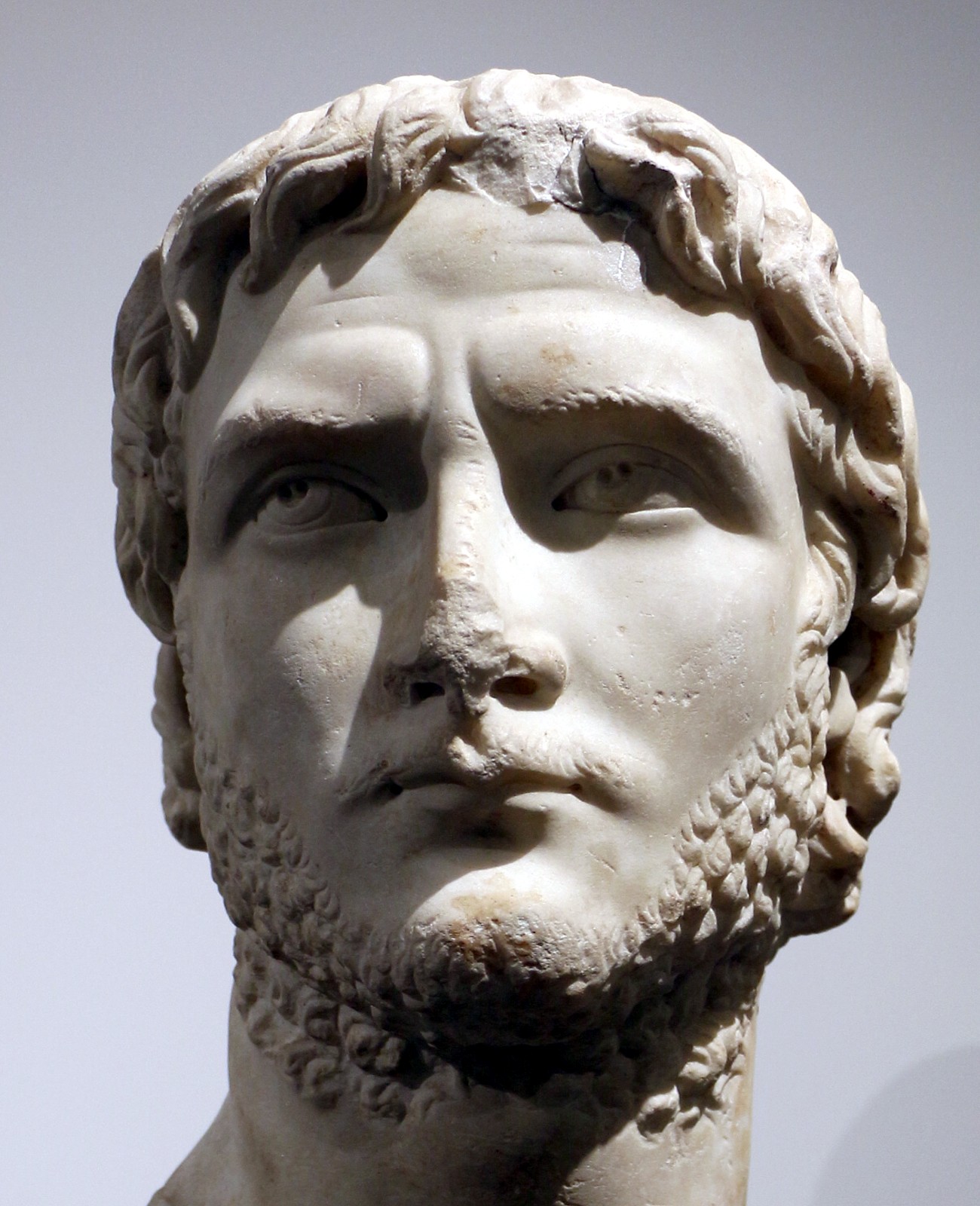
Gallienus Facts For Kids
Videos & Quizzesincluded
About this topic
Gallienus was a Roman Emperor who ruled from 253 to 268 AD. 🌟He was born in the city of Mediolanum, which is now called Milan, in Italy. His full name was Publius Licinius Gallienus. He is known for his unique ability to lead during tough times, especially during a period called the Crisis of the Third Century, when many emperors came and went quickly. Gallienus is remembered for his bravery and flexibility in handling different challenges! 📜✨
Explore with ChatDinoQuick Facts
Key Points
During Gallienus' reign, he faced many issues, like invasions and rebellions.
Gallienus’ reign ended in tragedy.
Gallienus was born around 218 AD into a powerful family.
Gallienus had a complicated relationship with the Roman Senate.
Gallienus understood that the economy needed help, so he made important changes.
Gallienus was also interested in arts and culture!
Gallienus had to fight many battles to protect the Roman Empire from threats.
Gallienus' legacy is often viewed as a mix of successes and failures.
Photos of Gallienus

Bust of Cornelia Salonina

Aureus of Gallienus marked: GALLIENVS AVG.

Antoninianus of Regalian: IMP. C. P. C. REGALIANVS P. F. AVG.

A bas relief of Emperor Valerian standing at the background and held captive by Shapur I was found at Naqsh-e Rustam, Shiraz, Iran. The kneeling man is probably Philip the Arab.

Antoninianus of Postumus. Legend:IMP. C. POSTVMVS P. F. AVG.

Aureus of Gallienus, minted in Mediolanum (Milan), dated 262

Bust of Gallienus, Ny Carlsberg Glyptotek.

Arch of Gallienus in Rome dedicated to, rather than built by, Gallienus.

Gallienus — photo 9
🛡️ Reign As Emperor
During Gallienus' reign, he faced many issues, like invasions and rebellions. 🛡️ But he was a smart leader! Instead of staying in the capital, Rome, he traveled across the empire to deal with problems directly. Gallienus also made important changes, like creating new military units to defend against attacks. His reign lasted 15 years, and he tried to keep the empire strong and united!
Go deeper😢 Downfall And Assassination
Gallienus’ reign ended in tragedy. 😢In 268 AD, during a military campaign, he was betrayed by his own troops. A general named Aureolus plotted against him. The soldiers turned against Gallienus, leading to his assassination. His death marked the end of a significant chapter in Roman history and opened the door for new rulers to come in. Betrayal and challenges ended his efforts to stabilize the empire!
Go deeper👶 Early Life And Rise To Power
Gallienus was born around 218 AD into a powerful family. 👶His father, Valerian, became Emperor of Rome before him. Gallienus learned much from his father's rule and became a skilled military leader. In 253 AD, when Valerian was captured by enemies in battle, Gallienus became Emperor. He was just in his 30s! 🎉Younger emperors faced many challenges, but Gallienus was ready to rise to the occasion and protect the empire!
Go deeper🏛️ Relationship With The Senate
Gallienus had a complicated relationship with the Roman Senate. 🏛️ Some senators supported him, while others saw him as a threat because he took power from them. He didn't always rely on their advice, making some senators unhappy. To gain their support, Gallienus sometimes brought them into decision-making, but he worked hard to maintain control as the emperor. This balancing act shaped his rule!
Go deeper💰 Economic Reforms And Policies
Gallienus understood that the economy needed help, so he made important changes. 💰He reformed the coin system to fight against rampant inflation, which made money less valuable. He also tried to stabilize food prices. Gallienus focused on rebuilding cities and infrastructure to help citizens live better lives. 🌆These policies aimed to improve trade and provide more stability for the Roman people!
Go deeper🎨 Cultural Contributions And Legacy
Gallienus was also interested in arts and culture! 🎨He supported philosophers, poets, and artists by encouraging creativity. Gallienus even issued coins that showed beautiful artwork and symbols of victory. His reign is remembered for its cultural richness, and his influence can be seen in the artwork and literature from that time. He made Rome a place where culture could thrive amid challenges!
Go deeper⚔️ Military Campaigns And Challenges
Gallienus had to fight many battles to protect the Roman Empire from threats. ⚔️ He faced enemies called the Goths and the Alemanni, who wanted to invade. Gallienus successfully defended the borders by sending generals to lead the army. His ability to adapt helped him win important victories! However, he also faced challenges from those within the empire, including rival claimants who wanted the throne.
Go deeper📚 Historical Impact And Interpretations
Gallienus' legacy is often viewed as a mix of successes and failures. 📚Scholars debate his impact on the Roman Empire. Some believe he was a visionary leader who tried to adapt to difficult times. Others see his downfall as a sign of the weakening empire. Nonetheless, he remains a fascinating figure in Roman history, and his efforts paved the way for future emperors to learn from both his achievements and mistakes! 🏰🌟
Go deeper