Gabriel Fauré Facts For Kids
Gabriel Urbain Fauré was a renowned French composer, organist, pianist, and teacher celebrated for his beautiful melodies and significant influence on French music.
Select reading age

Gabriel Fauré Facts For Kids
Videos & Quizzesincluded
About this topic
Gabriel Fauré was a famous French composer 🎼, organist 🎹, pianist, and teacher born on May 12, 1845, in Pamiers, France. He was known for his lovely music that made people feel emotions like happiness and sadness. Fauré created many types of music, including songs, operas, and symphonies. He helped change music in France during the late 19th and early 20th centuries. His music is still enjoyed today in concerts and even movies! ✨Fauré passed away on November 4, 1924, but his beautiful tunes continue to inspire musicians everywhere. 🌍
Explore with ChatDinoKey Points
During his lifetime, Gabriel Fauré received many awards and honors for his contributions to music.
Gabriel Fauré was born into a music-loving family.
Gabriel Fauré's music has made appearances in movies, television shows, and even commercials!
Fauré had a big impact on French music in the late 19th and early 20th centuries.
Gabriel Fauré had a loving family.
Gabriel Fauré wrote many famous pieces throughout his life.
Fauré's musical career began when he became the organist at a Parisian church in 1863.
Even after his passing in 1924, Gabriel Fauré's music continues to live on.
As a teacher, Gabriel Fauré taught music at the Paris Conservatory, one of the best music schools in France.
Photos of Gabriel Fauré

Fauré as a student, 1864

Staff and students of the École Niedermeyer, 1871. Fauré in front row second from left; André Messager in middle row second from right

Fauré in 1875

Fauré by John Singer Sargent, 1889

Fauré and Marie in 1889
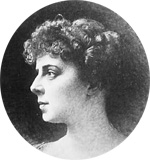
Emma Bardac


Clockwise from top left: Saint-Saëns, Thomas, Massenet, Dubois
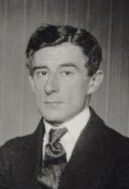
Maurice Ravel

Fauré at the turn of the century
🎖️ Awards And Recognition
During his lifetime, Gabriel Fauré received many awards and honors for his contributions to music. In 1903, he was elected to the Académie des Beaux-Arts in France, which is a special group for artists! 🎖️ Fauré also received the Legion of Honour, a prestigious award given to people who have made great contributions to France. His music is celebrated in many festivals, and his compositions are performed globally. 🏆Even today, musicians and music lovers recognize him as one of the most important composers in French history! 🌟
Go deeper🎵 Early Life And Education
Gabriel Fauré was born into a music-loving family. 🎵His father was a school teacher and his mother was a pianist! He started studying music at a young age and learned to play the piano. When he was 9 years old, he went to the École Niedermeyer de Paris, a famous music school in France. 🎓There, he studied composition and organ, becoming a great musician. Fauré also liked reading and often wrote poetry, which helped him create beautiful lyrics for his songs. His early experiences shaped him into the composer we admire today! 🌈
Go deeper🎥 Fauré In Popular Culture
Gabriel Fauré's music has made appearances in movies, television shows, and even commercials! 🎥His famous piece "Pavane" has been used in many films due to its beautiful melodies. "Requiem" is often played during emotional moments in stories, helping to convey deep feelings. 🎶Many musicians from various genres, like jazz and pop, have mixed his tunes into their songs. Fauré’s music continues to inspire people outside of classical music, showing how the power of composition can reach every corner of popular culture! 🌟
Go deeper🎶 Influence On French Music
Fauré had a big impact on French music in the late 19th and early 20th centuries. 🎶He helped create a new style of music, moving away from strict classical forms. Fauré's music influenced many important composers, including Maurice Ravel and Debussy. 🌌His focus on emotion and expression helped shape modern French music, making it feel more personal and exciting. Fauré was also a teacher, sharing his knowledge with young musicians and encouraging them to explore their own creativity. Thanks to him, many new talents emerged in the music world! 🎓
Go deeper😔 Personal Life And Beliefs
Gabriel Fauré had a loving family. He married Marie Fremiet in 1883, and they had three children together but sadly separated later. 😔Throughout his life, Fauré loved nature, especially the countryside, where he found inspiration for his music. 🌼He was known to enjoy long walks, gathering ideas in his mind. Fauré valued friendship and had close ties with other musicians. He believed that music could express feelings that words could not convey, which is why he focused on emotion in his compositions. 💖
Go deeper🎻 Major Works And Compositions
Gabriel Fauré wrote many famous pieces throughout his life. Some of his most popular compositions include "Pelléas et Mélisande" (a beautiful suite for orchestra), "Requiem" (a calming piece often played at funerals), and "Violin Sonata No. 1" 🎻. He also created songs, called mélodies, which are like little stories set to music. 🎤His composition "Nocturne" is dreamy and soothing! Fauré's works are filled with lovely melodies and unique harmonies, taking listeners on an emotional journey. Many musicians and choirs still perform his pieces today, making them timeless treasures! 💖
Go deeper🎶 Musical Career And Contributions
Fauré's musical career began when he became the organist at a Parisian church in 1863. He played beautiful music that touched people’s hearts. He later composed for different instruments and created lovely songs 🎶. Fauré is known for introducing new ideas to classical music, making it more emotional and relatable. He wrote famous pieces like "Clair de Lune" and "Requiem," showing his talent as a composer. His music was different from others because he focused on expressing feelings rather than following strict rules. 🎉This made him an important figure in French music history!
Go deeper🎶 Legacy And Posthumous Recognition
Even after his passing in 1924, Gabriel Fauré's music continues to live on. 🎶Many music schools honor him by teaching his works, and his pieces are frequently performed in concerts around the world. He is recognized as one of France's greatest composers. Several awards and competitions, such as the Gabriel Fauré Prize, celebrate his life and contributions to music. 🎖️ Numerous books and research have been written about his music and its impact on the musical world. Fauré's legacy remains strong, inspiring new generations of musicians! 🌈
Go deeper🎓 Teaching And Pedagogical Influence
As a teacher, Gabriel Fauré taught music at the Paris Conservatory, one of the best music schools in France. 🎓He inspired many students, teaching them the importance of expressing emotions through music. One of his famous students was the composer Nadia Boulanger, who went on to teach many great musicians herself! Fauré believed in giving his students the freedom to experiment with their compositions. 🎼His teaching methods encouraged creativity and helped develop many successful composers. His influence as a teacher is still felt in music education today! 💡
Go deeper