Fuse Facts For Kids
A fuse is an electrical safety device that protects circuits by melting when the current exceeds a certain limit, preventing damage.
Select reading age
Fuse Facts For Kids
Videos & Quizzesincluded
About this topic
A fuse is a small piece of electrical magic! 🪄It helps keep our homes and gadgets safe. Imagine making something too hot, like a stove! A fuse stops this from happening by breaking the flow of electricity when it gets too strong. 🌩️ Fuses protect against fires and damage to devices. They were invented in the 19th century by the smart man, Thomas Edison, who loved inventing! Today, we find fuses in cars, computers, and even toy robots! 🚗🖥️ Understanding fuses helps us appreciate technology and stay safe. Let's explore the world of fuses together! 🌟
Explore with ChatDinoKey Points
Fuses are super simple yet really clever!
There are many types of fuses, and each has special jobs!
A fuse is like a superhero for electricity!
Choosing the right fuse is super important!
Fuses are all about safety!
If something stops working, it may be a blown fuse!
Fuses are everywhere!
Fuses are great but can also impact our planet!
Let’s learn how to install and replace a fuse safely!
The future of fuses is exciting!
Photos of Fuse

Basic fuse symbols, per IEC and IEEE/ANSI standards

Melting fuse on electrical power line pole

HRC fuse with red blown indication

A sample of the many markings that can be found on a fuse.

Various holders for cartridge ferrule fuses

Cross section of a screw-type fuse holder with Diazed fuse

Blade type fuses come in six physical sizes: micro2, micro3, low-profile mini, mini, regular and maxi

A set of pole-top fusible cutouts with one fuse blown, protecting a transformer - the white tube on the left is hanging down

A 115 kV high-voltage fuse in a substation near a hydroelectric power plant
😊 How Fuses Work
Fuses are super simple yet really clever! 😊They work by melting to break connections. Each fuse has a specific amount of electricity it can handle, called the rating. For example, a 5-amp fuse can let through 5 amps of electric flow. When the amount goes above that limit, the metal strip inside heats up until it melts, breaking the circuit! 🌡️ Think of it like a balloon that pops when it gets too full! 🎈Once a fuse is blown, it needs replacing. That’s why it’s important to understand why they work the way they do!
Go deeper😄 Types Of Fuses
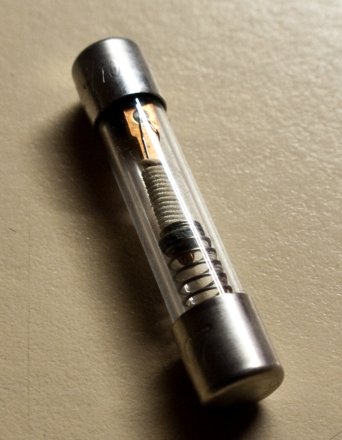
There are many types of fuses, and each has special jobs! 😄The most common types are cartridge fuses, blade fuses, and glass fuses. Cartridge fuses are cylinder-shaped and great for heavy machines! ⚙️ Blade fuses are easy to find in cars, recognizable by their flat ends. 🚙Glass fuses allow you to see inside and check if they are blown! 🕵️ Some fuses can be reset after they blow instead of needing replacement. These are called resettable fuses! Each type plays a part in making our gadgets work safely!
Go deeper⚡ What Is A Fuse?
A fuse is like a superhero for electricity! ⚡It’s a small gadget that prevents wires from getting too hot. Inside a fuse is a thin strip of metal called a conductor. When the electric current is normal, the conductor stays intact. But if something goes wrong, such as too much electricity, it melts! 🧊This stops the flow of electricity, saving our devices and homes from fires. Fuses are usually found in metal or ceramic cases and come in different shapes and sizes! 🛠️ Remember, a fuse is here to keep us safe!
Go deeper🧠 Choosing The Right Fuse
Choosing the right fuse is super important! 🧠You need to know what device you're protecting. Fuses are made for different voltages and currents! For example, if you're working on a toy that needs a 2-amp fuse, don’t use a 10-amp one; the toy could break! ⚡Always look at the device's manual or label before selecting a fuse! 📖If you get confused, it’s okay to ask an adult for help! Remember: the right fuse keeps the device safe and anyone using it! Safety always comes first! 🌈
Go deeper🌈 Safety Features Of Fuses
Fuses are all about safety! 🌈They help prevent fires and equipment damage by breaking the electrical circuit when too much current flows. This means less heat and fewer chances for danger! 🔥Fuses can also indicate problems; if one blows, it shows that something isn't right! It’s like a warning signal! 🚨Many fuses come with extra safety measures, like being splash-proof or having special cases to prevent accidental touch. These features help make sure using electricity is fun and safe for everyone! So, always respect the power of electricity! ⚡
Go deeper😟 Troubleshooting Fuse Issues
If something stops working, it may be a blown fuse! 😟First, check the fuse box to see if any fuses are damaged. If the fuse is melted or broken, it might need replacing. 🔄If it blows again quickly, that can mean a bigger problem, like a short circuit in your devices! 🛠️ Ask an adult to help find the issue! Always unplug devices when checking for blown fuses. Stay safe while troubleshooting! Remember, knowing about fuses helps you be prepared if things go wrong! 💡
Go deeper🎉 Common Applications Of Fuses
Fuses are everywhere! 🎉You can find them in homes, cars, and even in your favorite gadgets! In your home, fuses protect big appliances like refrigerators and washing machines. 🧺In cars, they keep electrical systems like lights and radios safe! 🚘Fuses are also used in toys, computers, and music equipment to keep them running smoothly. 🎼Each application needs the right kind of fuse to ensure everything works perfectly! So next time you plug something in, think about the fuse helping keep it safe! 🌟
Go deeper🌏 Environmental Considerations
Fuses are great but can also impact our planet! 🌏Many fuses are made of materials that can be recycled! That’s great because recycling helps reduce waste! ♻️ When a fuse blows, make sure it’s disposed of properly, so it doesn’t pollute the environment. A good approach is to check local recycling rules! There’s also a new trend to make fuses more eco-friendly by using less harmful materials. 🌱Future innovations will help us create even better, greener fuses! Protecting the Earth is everyone's job, even the fuses! 💚
Go deeper🚧 Installation And Replacement
Let’s learn how to install and replace a fuse safely! 🚧First, make sure the device is unplugged! Safety is key! 🌟Then locate the fuse box. Pop it open and find the blown fuse. If it’s black or the metal is broken, it’s time for a new one! 🔌Carefully pull out the old fuse and slide in the new one, making sure it fits snugly. Once done, close everything back up and plug the device in. Ta-da! 🎉You've just changed a fuse! Always double-check with an adult for safe practices!
Go deeper🚀 The Future Of Fuse Technology
The future of fuses is exciting! 🚀Engineers are working on new types of fuses that are smarter and safer! For instance, there are smart fuses that can connect with apps on your phone to let you know when they need replacement! 📱Some fuses can reset themselves without needing to be replaced! 🌀This means less waste and a more efficient use of energy! The development of these new fuses will help keep homes and devices safe as technology continues to grow. The future looks bright, just like a well-protected circuit! 🌟
Go deeper