All Articles

Franks

Franks Facts For Kids

The Franks were a group of Germanic peoples who reshaped Europe by establishing a powerful kingdom that laid the groundwork for modern France and Germany.
🎨 Reading age for 6-8
Background blob
Franks
Franks
Facts for Kids!
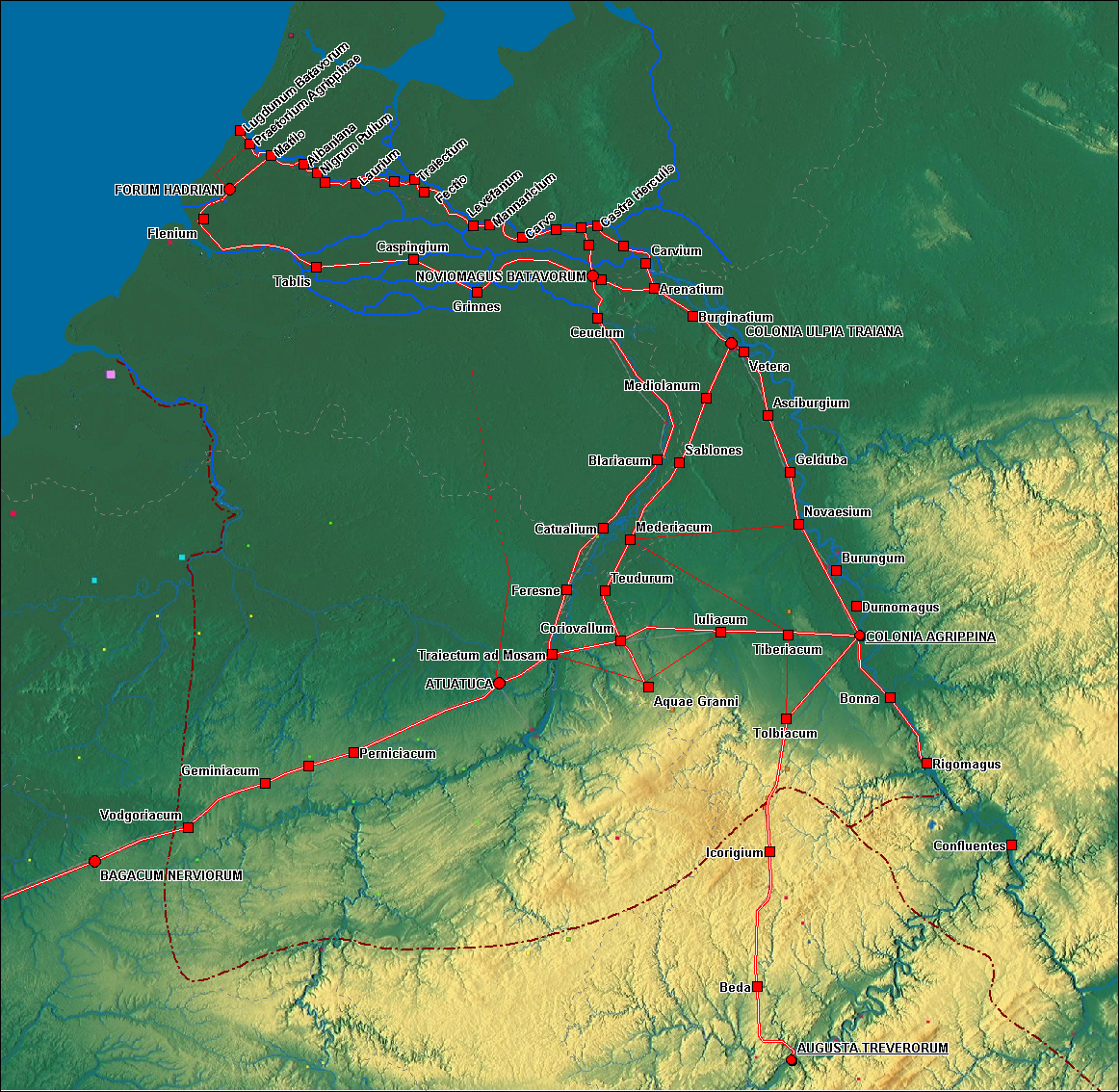
Image by Hans Erren, licensed under Creative Commons Attribution-Share Alike 3.0

Do more with AI

Introduction

The Franks were a group of fun-loving people who lived a long time ago in Europe! 🌍They mostly lived near the Rhine River, which is in modern-day France and Germany. The Franks were Germanic tribes that started out as farmers, hunters, and warriors. Over time, they grew stronger and created their own empire. The name "Frank" actually means "free!" They helped shape Europe into what it is today, leaving behind many exciting stories. Their cool adventures, battles, and kings are still talked about in history books! 📚Let’s explore the world of the Franks together!

Images of Franks

Aristocratic Frankish burial items from the Merovingian dynasty

Aristocratic Frankish burial items from the Merovingian dynasty

Detail of the Tabula Peutingeriana, showing Francia at the top

Detail of the Tabula Peutingeriana, showing Francia at the top

Frankish leader grave, c. 500, with golden Spangenhelm in Krefeld, GermanyImage by Juschki, licensed under Creative Commons Attribution-Share Alike 3.0

Frankish leader grave, c. 500, with golden Spangenhelm in Krefeld, Germany

A 6th century bow fibula found in north-eastern France and the Rhineland. They were worn by Frankish noblewomen in pairs at the shoulder or as belt ornaments.

A 6th century bow fibula found in north-eastern France and the Rhineland. They were worn by Frankish noblewomen in pairs at the shoulder or as belt ornaments.

Carolingian warrior on a war horse (8th to 10th century) with lance, round shield, chainmail and spangenhelm in the Coronation Hall of the Aachen City Hall in June 2014 on the occasion of the exhibition "Charlemagne – Power, Art, Treasures"

Carolingian warrior on a war horse (8th to 10th century) with lance, round shield, chainmail and spangenhelm in the Coronation Hall of the Aachen City Hall in June 2014 on the occasion of the exhibition "Charlemagne – Power, Art, Treasures"

The Hornhausen rider stone is a 7th-century relief depicting a Frankish warrior on horseback with shield, longsword, and lance.Image by Dguendel, licensed under Creative Commons Attribution 3.0

The Hornhausen rider stone is a 7th-century relief depicting a Frankish warrior on horseback with shield, longsword, and lance.

The frontispiece of Gregory's Historia Francorum

The frontispiece of Gregory's Historia Francorum

A chalice from the Treasure of Gourdon

A chalice from the Treasure of Gourdon

The pinnacle of Carolingian architecture: The Palatine chapel at Aachen, Germany.Image by Berthold Werner, licensed under Creative Commons Attribution-Share Alike 3.0

The pinnacle of Carolingian architecture: The Palatine chapel at Aachen, Germany.

Aristocratic Frankish burial items from the Merovingian dynasty

Aristocratic Frankish burial items from the Merovingian dynasty

Detail of the Tabula Peutingeriana, showing Francia at the top

Detail of the Tabula Peutingeriana, showing Francia at the top

Frankish leader grave, c. 500, with golden Spangenhelm in Krefeld, GermanyImage by Juschki, licensed under Creative Commons Attribution-Share Alike 3.0

Frankish leader grave, c. 500, with golden Spangenhelm in Krefeld, Germany

A 6th century bow fibula found in north-eastern France and the Rhineland. They were worn by Frankish noblewomen in pairs at the shoulder or as belt ornaments.

A 6th century bow fibula found in north-eastern France and the Rhineland. They were worn by Frankish noblewomen in pairs at the shoulder or as belt ornaments.

Carolingian warrior on a war horse (8th to 10th century) with lance, round shield, chainmail and spangenhelm in the Coronation Hall of the Aachen City Hall in June 2014 on the occasion of the exhibition "Charlemagne – Power, Art, Treasures"Image by ACBahn, licensed under Creative Commons Attribution-Share Alike 3.0

Carolingian warrior on a war horse (8th to 10th century) with lance, round shield, chainmail and spangenhelm in the Coronation Hall of the Aachen City Hall in June 2014 on the occasion of the exhibition "Charlemagne – Power, Art, Treasures"

The Hornhausen rider stone is a 7th-century relief depicting a Frankish warrior on horseback with shield, longsword, and lance.Image by Dguendel, licensed under Creative Commons Attribution 3.0

The Hornhausen rider stone is a 7th-century relief depicting a Frankish warrior on horseback with shield, longsword, and lance.

The frontispiece of Gregory's Historia Francorum

The frontispiece of Gregory's Historia Francorum

A chalice from the Treasure of Gourdon

A chalice from the Treasure of Gourdon

The pinnacle of Carolingian architecture: The Palatine chapel at Aachen, Germany.Image by Berthold Werner, licensed under Creative Commons Attribution-Share Alike 3.0

The pinnacle of Carolingian architecture: The Palatine chapel at Aachen, Germany.

Historical Timeline

Here's a fun timeline of exciting events involving the Franks! 📅Around 250 AD, the Franks began raiding Roman territories and making their name known. By 481 AD, a super cool king named Clovis became a leader, uniting many Frankish tribes! 🏰He converted to Christianity, which meant he started following a new religion. Fast forward to 800 AD, when Charlemagne—the grandson of Clovis—was crowned Emperor of the Romans! 🎉That was a big moment! The Franks continued to grow, making an impact on Europe for many centuries to come.

Origins Of The Franks

The Franks first showed up around 200 AD, near the Rhine River in Europe. 🌊They settled in areas that are now part of Germany and France. They were a mix of different tribes, like the Salians and the Ripuarian Franks. These tribes spoke a Germanic language and shared similar customs. The Franks were known for their bravery! ⭐They fought against the Roman Empire and were good at archery and horseback riding. As they expanded, they became important players in European history, leading to the rise of great kings and empires. How cool is that?

Military Contributions

The Franks were fierce warriors! ⚔️ They had powerful armies and were skilled in battle. Their warriors often rode on horseback, making them quick and fast! 🐴They used swords, shields, and spears to defend their lands. In 732 AD, they fought a big battle called the Battle of Tours, where a fantastic leader named Charles Martel defended Europe from invaders! 🏅The Franks’ military power helped them grow their empire and protect their communities, making them legendary fighters of their time!

The Merovingian Dynasty

The Merovingian Dynasty was a famous group of kings from the Frankish tribe! 👑It started with King Clovis I, who united the tribes in 481 AD. Clovis was super important because he also converted to Christianity, helping spread the religion! Over the next few generations, many kings ruled. Some were strong, like Childebert I, while others were not as good. The Merovingians were known for their long hair, which was a sign of their royal status. 🙌This dynasty ruled for over 200 years until the Carolingian Dynasty took over. Talk about a royal legacy!

Franks And The Roman Empire

The Franks had a complicated but exciting relationship with the Roman Empire! 🇷🇴 At first, they were seen as dangerous raiders who attacked Roman lands. However, by the time of Clovis, they became allies! 🤝The Franks adopted some Roman customs, like their laws and language. Clovis even converted to Christianity to form a stronger bond with the Roman Church. The Franks helped to keep the idea of the Roman Empire alive after it fell apart in the 5th century. They kept many Roman traditions alive, making a bridge between two amazing worlds.

Social Structure And Culture

The Franks had a fun and interesting society! 🎊They lived in villages and worked together as farmers, tending to their fields and animals like cows and pigs. They had kings, like Clovis, who helped lead them. 🤴The society was divided into nobles, who were rich and powerful, and peasants, who worked hard to support everyone. They celebrated festivals with music, dancing, and tasty food! 🍗They even had storytelling sessions around the fire, sharing tales of heroes and warriors. Family was very important, and they respected their elders a lot!

Language And Writing Of The Franks

The Franks spoke a Germanic language called Frankish, influenced by Latin! 🗣️ This language helped them communicate, trade, and share stories. They used a writing system called runes before adopting the Latin alphabet, which we use today! 📜Engaging in storytelling, they shared tales about heroes and battles. Writing became more common during Charlemagne's time, as he encouraged learning. Schools were built, and books were created! 📚Today, many modern languages, like French and German, owe some of their roots to the language of the Franks. How cool is that?

Religion And Beliefs Of The Franks

The Franks were originally pagan, meaning they believed in many gods like nature spirits. 🌿But everything changed when King Clovis converted to Christianity around 496 AD! He encouraged his people to adopt the new faith, and soon, most Franks were Christians, too! ⛪They built churches and spread their beliefs throughout Europe. The Franks celebrated Christian holidays, such as Christmas and Easter. Their faith helped unite the people and started a new chapter in history. Today, Christianity remains one of the most followed religions in Europe, thanks to the Franks!

Legacy Of The Franks In Modern Europe

The Franks left a huge mark on Europe that we can still see today! 🌍Their empire became the foundation for modern nations like France and Germany. The idea of a united kingdom began with leaders like Charlemagne! Many laws, traditions, and languages are traced back to the Franks. 🇫🇷🇩🇪 They also played an important role in spreading Christianity across Europe, which is still a major religion today. Fun facts: Many European countries celebrate their heritage and culture thanks to the Franks, like awesome festivals and tasty foods! 🎉

Charlemagne And The Carolingian Empire

Charlemagne, also known as Charles the Great, was a super famous Frankish king! 🌟He ruled from 768 to 814 AD and expanded the Frankish Empire a lot. He loved learning and encouraged education, building many schools! 📖On Christmas Day in 800 AD, he was crowned Emperor of the Romans by the Pope, making him a big deal! Charlemagne united much of Western Europe, bringing peace and prosperity. His empire helped create a foundation for modern countries like France, Germany, and Italy. Charlemagne is remembered as one of the greatest leaders of the Franks! 🏆

Franks Quiz

Q1
Question 1 of 10

Learn more about Franks

Ready to create?

Drop Files here
Make

To create a safe space for kid creators worldwide!

Create

Vibe Coding

Kids GPT

All Tools

Kibu

Resources

Worksheets

SafeTube

Blog

FAQ

Account

Pricing

Log-in

Sign-up

Data Deletion

Company

About

Community Guidelines

Privacy Policy

Terms of Service

2025, URSOR LIMITED. All rights reserved. DIY is in no way affiliated with Minecraft™, Mojang, Microsoft, Roblox™ or YouTube. LEGO® is a trademark of the LEGO® Group which does not sponsor, endorse or authorize this website or event. Made with love in San Francisco.