Fox Facts For Kids
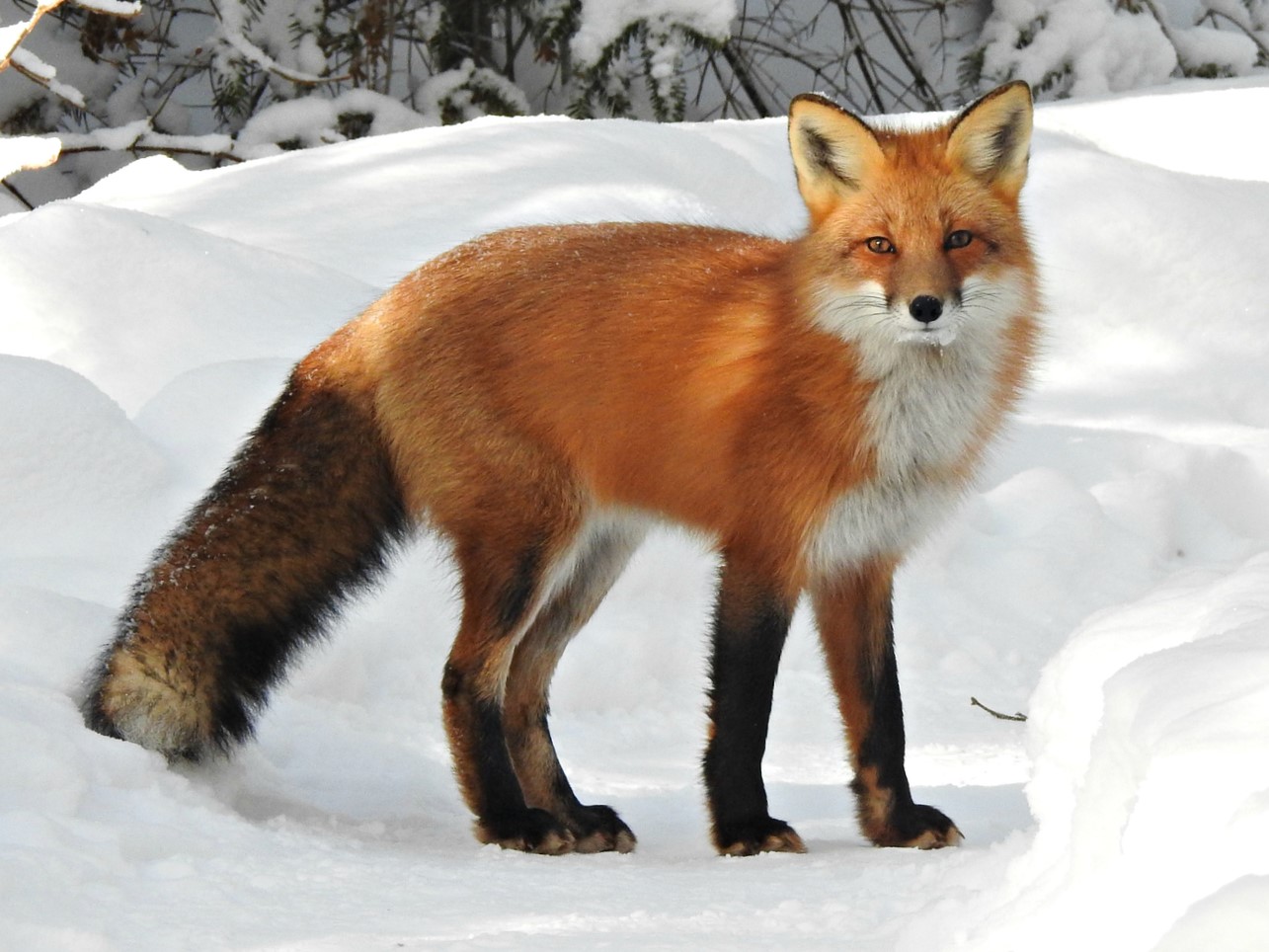
Foxes are small to medium-sized mammals known for their cunning nature, adaptability, and distinct fox-like features, such as elongated snouts and bushy tails.
Select reading age
Fox Facts For Kids
Videos & Quizzesincluded
About this topic
Foxes are clever mammals known for their bushy tails and pointy ears! 🦊There are about 37 species of foxes around the world, with the red fox being the most common. They belong to the Canidae family, which also includes dogs and wolves. Foxes are found on every continent except Antarctica. Depending on the species, they can weigh between 5 to 24 pounds! Foxes are mostly nocturnal, meaning they are more active at night. They have sharp senses of hearing and smell, making them excellent hunters.
Explore with ChatDinoKey Points
Did you know that foxes can jump over 6 feet high?
Fox populations vary by species, but many are doing well!
Foxes have a special place in many cultures around the world!
Foxes live in various habitats, from forests to deserts and even suburbs!
Foxes have beautiful fur that comes in different colors!
Foxes are omnivores, meaning they eat both plants and animals!
Foxes usually mate in winter or early spring.
Foxes can be solitary or social, depending on the species!
Photos of Fox

Comparative illustration of skulls of a true fox (left) and gray fox (right), with differing temporal ridges and subangular lobes indicated

Fox skeleton

Arctic fox curled up in snow

Two young foxes play in the snow in southern Sweden.

Mating white-footed foxes

Ethiopian wolf, native to the Ethiopian highlands

Crab-eating fox, a South American species

Falkland Islands wolf Illustration by John Gerrard Keulemans (1842–1912)

A pampas fox in Departamento de Flores, Uruguay
🌟 Interesting Facts
Did you know that foxes can jump over 6 feet high? 🌟They are also known to have excellent memory skills, which help them remember where they buried their food! Foxes have whiskers that help them navigate in the dark. 🐾Each fox has a unique bushy tail pattern, almost like a fingerprint! Foxes use their tails to communicate with other foxes, waving them to signal different messages. Lastly, the smallest fox species is the fennec fox, with ears that can be as long as 6 inches! 😮Isn’t that fascinating?
Go deeper🦊 Conservation Status
Fox populations vary by species, but many are doing well! However, habitat destruction and hunting can threaten some foxes. 🦊The International Union for Conservation of Nature (IUCN) categorizes some fox species as vulnerable, meaning they may face extinction. To protect them, we can create wildlife-friendly areas, reduce litter, and support conservation efforts. It's important to respect their homes and understand how human actions can impact their survival! Every little bit helps keep foxes safe and happy!
Go deeper🌎 Cultural Significance
Foxes have a special place in many cultures around the world! 🌎In some myths, they are seen as clever tricksters. For example, in various Native American stories, the fox often uses its cunning to overcome challenges. In Japanese folklore, the fox is known as "kitsune," believed to have magical powers! People also love foxes for their beauty and charm, leading to their appearances in cartoons, books, and movies! 📚These animals remind us of the importance of nature and wildlife in our lives.
Go deeper🌳 Habitat And Distribution
Foxes live in various habitats, from forests to deserts and even suburbs! 🌳The red fox is found across North America, Europe, and Asia. Arctic foxes live in cold areas like Canada and Alaska, where they have thick fur to keep warm. Fennec foxes, known for their big ears, live in the Sahara Desert in Africa! 🐪They make dens—small homes underground—to raise their young and stay safe from predators. Foxes are adaptable animals, which means they can survive in many different places.
Go deeper🌨️ Physical Characteristics
Foxes have beautiful fur that comes in different colors! Most red foxes have reddish-brown fur, while arctic foxes are white to blend with the snow. Their tails can be as long as their bodies, and they use them for balance and warmth! 🌨️ Foxes have slender bodies, which helps them sneak around while hunting. They also have sharp teeth and strong jaws to catch their prey. A fox's ears can move independently to help hear sounds from different directions. In fact, they can hear a mouse squeak from over 100 feet away! 🐭
Go deeper🥕 Diet And Hunting Behavior
Foxes are omnivores, meaning they eat both plants and animals! 🥕They hunt small mammals like rabbits, rodents, and birds but also enjoy fruits, berries, and plants. Foxes like to hunt alone or sometimes in small family groups. They are very skilled hunters and often use their amazing sense of hearing to detect prey. When they spot something to eat, they stalk it quietly and pounce! 🦅Interestingly, foxes have a technique called “mousing,” where they leap into the air to catch prey hidden under the snow.
Go deeper🐾 Reproduction And Life Cycle
Foxes usually mate in winter or early spring. After a few months, the female, called a vixen, gives birth to a litter of 1 to 12 kits. 🐾The kits are born blind and depend on their mother for food. They are cared for in the den until they are around 3 months old. After that, the kits learn to hunt with their parents. Foxes can live 3 to 6 years in the wild and even longer in captivity. Once they reach maturity at around 10 months, they can find their territory and become independent!
Go deeper🦊 Social Structure And Communication
Foxes can be solitary or social, depending on the species! 🦊Most live alone, but some, like the Arctic fox, form family groups. Foxes communicate using various sounds, such as barks, howls, and screams! When they want to express contentment, they make a sound called “gekkering,” a series of short, high-pitched barks. They also use body language, like wagging their tails or standing tall, to show their feelings. 🐾Foxes are very intelligent creatures, often working together to protect their young and secure territory from other foxes.
Go deeper