Florida Flagfish Facts For Kids
The Florida flagfish is a small, colorful freshwater fish native to the southeastern United States, known for its vibrant patterns and adaptability to various aquatic environments.
Select reading age
Florida Flagfish Facts For Kids
Videos & Quizzesincluded
About this topic
The Florida flagfish, known scientifically as *Jordanella floridae*, is a colorful freshwater fish found mainly in Florida, USA. 🐟They are native to the state's waters, including rivers, swamps, and marshes. These little fish usually grow to about 2-2.5 inches long. Flagfish are popular among aquarium enthusiasts because of their unique colors and behaviors. They are adaptable and can live in various water conditions, which makes them quite special! 🌊The flagfish has a very lively personality and is known for its interesting swimming patterns.
Explore with ChatDinoKey Points
- The Florida flagfish is the only member of the Jordanella genus!
The Florida flagfish, while not endangered, faces challenges due to habitat loss and pollution.
Florida flagfish live in warm and shallow waters.
Florida flagfish have a bright and attractive appearance!
When it’s time to breed, male Florida flagfish become even more colorful!
Florida flagfish are omnivores, which means they eat both plants and animals!
Florida flagfish are social animals.
Florida flagfish play an essential role in their ecosystem!
🌟 Fun Facts
- The Florida flagfish is the only member of the *Jordanella* genus! 🌟
- They are often referred to as "the peacekeepers" of the aquarium because they are usually non-aggressive! 🌈
- The name "flagfish" comes from their colorful stripes, resembling flags waving underwater! 🚩
- In the wild, flagfish can live up to 2-3 years!
- They were named the state fish of Florida in 2001! 🌴
Enjoy learning about this amazing fish, and maybe you can spot one next time you're in Florida!
Go deeper- They are often referred to as "the peacekeepers" of the aquarium because they are usually non-aggressive! 🌈
- The name "flagfish" comes from their colorful stripes, resembling flags waving underwater! 🚩
- In the wild, flagfish can live up to 2-3 years!
- They were named the state fish of Florida in 2001! 🌴
Enjoy learning about this amazing fish, and maybe you can spot one next time you're in Florida!
🌍 Conservation Status
The Florida flagfish, while not endangered, faces challenges due to habitat loss and pollution. 🌍Wetlands, where they live, are often drained for development, which affects their populations. However, many conservation efforts are in place to protect Florida's ecosystems. Conservationists work to clean up waterways and create protected areas to help these fish thrive. 🌱By learning about and protecting their habitats, we can ensure that flagfish remains part of Florida's rich natural heritage!
Go deeper🌞 Habitat And Distribution
Florida flagfish live in warm and shallow waters. 🌞They can be found in places like the Everglades and other wetlands in Florida. They enjoy swimming among plants like eelgrass and can often be seen hiding in leaves or rocks. 🌿The flagfish is very sensitive to water quality, so they like to stay in clear waters with plenty of places to hide. Their home range is mostly limited to Florida, but they have made their way to nearby regions, like Georgia, due to people releasing them into new waters.
Go deeper🎨 Physical Characteristics
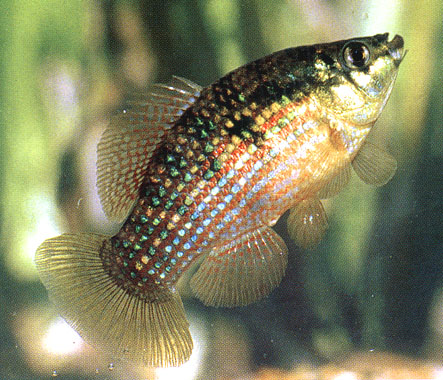
Florida flagfish have a bright and attractive appearance! 🎨Their bodies are elongated and covered in stunning colors, including blue, green, orange, and black. Male flagfish usually have more vibrant colors compared to females! One of their most striking features is their colorful vertical stripes, which look like a flag waving in the water. 🇺🇸 They also have a small dorsal fin on their back that helps them balance while swimming. Flagfish are relatively small, making them a perfect addition to any freshwater aquarium! 🐠
Go deeper💖 Breeding And Reproduction
When it’s time to breed, male Florida flagfish become even more colorful! 💖They perform dances to attract females. During this courtship, they set up territories where they can impress the females. After the female agrees to breed, she lays about 100-300 eggs on flat surfaces like leaves. 🍂The male then guards the eggs until they hatch, which usually takes about 2-4 days. After hatching, the tiny fry (baby fish) will swim around and start growing quickly, learning to find food on their own! 🐟
Go deeper🥗 Diet And Feeding Behavior
Florida flagfish are omnivores, which means they eat both plants and animals! 🥗They love munching on tiny insects, algae, and even small crustaceans. They can often be seen grazing on algae growing on rocks and plants, which keeps their environment clean! 🌱In an aquarium, they can be fed fish flakes, brine shrimp, or even live food for a yummy treat! Their playful nature and feeding habits make them fun to watch as they search for food. 😂
Go deeper🐠 Behavior And Social Structure
Florida flagfish are social animals. They often form small groups with other fish, which makes them more comfortable and safe. 🐠🏞️ In their schools, they can display playful and lively behaviors. Males are more aggressive than females, often defending their territory during breeding season. During this time, they put on displays to attract females. Non-breeding males may also join the group but tend to keep a lower profile! Their social structure helps them stay safe from predators!
Go deeper🌊 Importance In Aquatic Ecosystems
Florida flagfish play an essential role in their ecosystem! 🌊They help control algae growth by eating it, keeping the water clean and healthy. They also serve as a food source for larger fish and wildlife, helping maintain the food chain. 🐢Additionally, their presence indicates a healthy freshwater environment. When flagfish are thriving, it suggests that the aquatic ecosystem is balanced. By protecting flagfish, we’re also ensuring the wellbeing of many other living creatures in Florida's waters! 🐉
Go deeper