Flag Of Tuvalu Facts For Kids
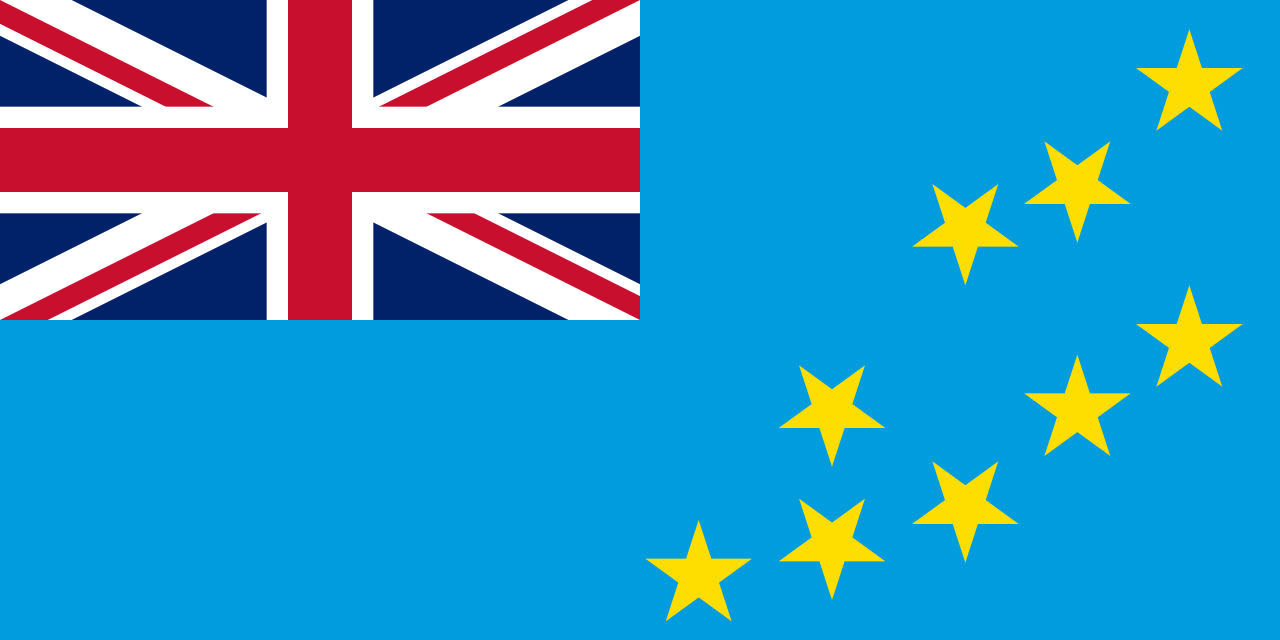
The flag of Tuvalu, adopted in 1978 after gaining independence, is a symbol of the country's identity with its light blue field, Union Jack, and nine yellow stars representing its islands.
Select reading age
Flag Of Tuvalu Facts For Kids
Videos & Quizzesincluded
About this topic
The national flag of Tuvalu is a beautiful symbol of this tiny island nation! 🇹🇻 Tuvalu is located in the Pacific Ocean, made up of nine small islands. The flag features a light blue background, with the Union Jack in the top left corner. It also has nine yellow stars on the right side, representing the nine islands of Tuvalu. The flag was officially adopted when Tuvalu became independent from the United Kingdom on October 1, 1978. 🎉It’s a proud symbol of Tuvalu's identity and the people who live there!
Explore with ChatDinoKey Points
The flag of Tuvalu is designed with care!
The flag of Tuvalu has a rich history!
The flag of Tuvalu carries great cultural significance!
The flag of Tuvalu is used in many special occasions!
The nine stars on the flag of Tuvalu are very special!
The colors in the Tuvalu flag have important meanings!
Tuvalu’s flag is a star at many fun events!
Tuvalu's flag is recognized around the world!
The flag of Tuvalu is unique but shares similarities with other flags!
While the national flag of Tuvalu is well-known, there are also variations!
Photos of Flag Of Tuvalu

Flag of Tuvalu at the 2022 Commonwealth Games beach volleyball, Smithfield, Birmingham

Tuvalu flag-bearer at the 2016 Summer Olympics opening ceremony

Each star in the flag represents one island in the country

In 1996, Prime Minister Kamuta Latasi controversially removed the Union Jack from the Flag of Tuvalu, replacing it with the flag pictured above. The flag was returned to the original in April 1997.
✨ Design Elements
The flag of Tuvalu is designed with care! ✨The light blue background represents the vast Pacific Ocean surrounding the islands. In the top left corner, the Union Jack symbolizes Tuvalu's historical connection to the United Kingdom. To the right, you'll see nine gold stars. 🌟Each star stands for one of Tuvalu's islands: Funafuti, Nanumea, Niutao, Nukufetau, Nukulaelae, Emergency, Vaitupu, and the other two. The flag's simple design makes it memorable and easy to recognize!
Go deeper🌊 History Of The Flag
The flag of Tuvalu has a rich history! 🌊Before independence, Tuvalu was part of the Gilbert and Ellice Islands, a group of islands under British control. In 1976, Tuvalu separated and became its own nation. Two years later, on October 1, 1978, the flag was officially adopted. The design was inspired by the country's history and geography. The Union Jack shows Tuvalu's ties to Britain, while the nine stars represent each of the islands. The flag tells a story about where Tuvalu came from and its journey to independence. 📜
Go deeper🎭 Cultural Significance
The flag of Tuvalu carries great cultural significance! 🎭It represents the identity and unity of the Tuvaluan people. When the flag flies, it is a reminder of their traditions, culture, and values. Many Tuvaluans participate in cultural events, showcasing traditional dances and songs while waving the flag to honor their heritage. The flag also invokes pride during international events, where they showcase their unique culture to the world. With every flapping breeze, the flag reminds Tuvaluans of their rich history and bright future! 🌈
Go deeper🎉 Flag Use And Protocol
The flag of Tuvalu is used in many special occasions! 🎉It proudly flies in front of government buildings and during holidays. When raising the flag, it is treated with respect. For example, the flag should never touch the ground or be flown upside-down! 🇹🇻 On special days like Independence Day, people celebrate with music, dance, and parades while proudly displaying the flag. It reminds everyone of Tuvalu's strength and unity. Always remember to respect the flag, as it represents the pride of the Tuvaluan people!
Go deeper🌟 Symbolism Of The Stars
The nine stars on the flag of Tuvalu are very special! 🌟Each star represents one of Tuvalu's islands: Funafuti, Nanumea, Niutao, Nukufetau, Nukulaelae, Vaitupu, and the other islands. Together, these stars remind everyone of the unique identity of each island and their unity as one nation. The stars are gold, shining bright against the blue ocean background. When we think about these stars, we remember the beauty and culture that each island brings to the country. 🌊
Go deeper🎨 Colors And Their Meanings
The colors in the Tuvalu flag have important meanings! 🎨The light blue color represents the beautiful waters of the Pacific Ocean, which surround the islands. It also symbolizes peace and tranquility. The gold of the stars reflects the sunny climate and the warmth of the people living in Tuvalu. ☀️ Together, these colors not only create a striking visual but also express the nature and spirit of Tuvalu, celebrating their land and their lightheartedness!
Go deeper🎉 Events Involving The Flag
Tuvalu’s flag is a star at many fun events! 🎉For example, during Independence Day celebrations on October 1st, people raise the flag and enjoy parades, dancing, and traditional food! 🌽The flag also plays a big role in sports events, where athletes compete proudly for Tuvalu. Whether at local festivals or international competitions, the flag brings everyone together, creating a sense of belonging for the Tuvaluan people. So, next time you see the Tuvalu flag, remember all the joy and togetherness it represents! 🌈
Go deeper🌍 International Recognition
Tuvalu's flag is recognized around the world! 🌍Since independence in 1978, Tuvalu has participated in many international events; their flag proudly represents their nation. Tuvalu is a member of the United Nations and the Commonwealth of Nations, where it can share its voice alongside other countries. The flag becomes a symbol of friendship when Tuvalu joins global discussions and cooperates with other nations on issues like climate change, important for its low-lying islands. The recognition of Tuvalu’s flag is a mark of respect from the international community. 🤝
Go deeper🌍 Comparison With Other Flags
The flag of Tuvalu is unique but shares similarities with other flags! 🇬🇧 For example, Tuvalu's flag includes the Union Jack, like the flags of Australia and New Zealand, which also reflect their history with Britain. However, what makes Tuvalu stand out are its nine stars, which represent its islands—unlike other countries with similar flags. 🇦🇺 Tuvalu’s flag is one of the smallest flags in the world, both in size and in land area compared to bigger countries, reminding us that even small nations have big stories! 🌍
Go deeper🌊 Flag Variations And Alternatives
While the national flag of Tuvalu is well-known, there are also variations! 🌊Local communities might have their own flags decorated with symbols or patterns that represent their island. Some schools and organizations in Tuvalu also create unique flags to show their spirit. These variations add to the richness of Tuvalu’s cultural tapestry, reminding everyone that every island has its own story to share, even if they all appreciate the beauty of the national flag. 🌟
Go deeper