Flag Of Nicaragua Facts For Kids
The flag of Nicaragua features blue and white stripes, symbolizing the oceans and peace, with a coat of arms illustrating the nation's heritage and aspirations.
Select reading age

Flag Of Nicaragua Facts For Kids
Videos & Quizzesincluded
About this topic
The flag of Nicaragua is a beautiful symbol of the country! 🌍It has three horizontal stripes: two blue ones on the top and bottom and a white one in the middle. The blue represents the oceans that surround Nicaragua—the Caribbean Sea to the east and the Pacific Ocean to the west. The white symbolizes peace and purity. In the center, there is the Coat of Arms of Nicaragua, featuring a triangle with five volcanoes and a rainbow. 🌈This flag was first adopted on September 4, 1908, but became official later on August 27, 1971.
Explore with ChatDinoKey Points
The design of Nicaragua's flag is simple yet meaningful!
The Nicaraguan flag is used in many important events!
Nicaragua's flag has changed and developed over time!
Sometimes, flags have interesting stories behind them!
Every element on the Nicaraguan flag tells a story!
The Nicaraguan flag is more than just a flag; it is part of the culture!
The Nicaraguan flag is similar to other Central American flags!
Nicaragua's flag represents the country on the global stage!
The adoption of the Nicaraguan flag marks an important moment in the country's history!
Photos of Flag Of Nicaragua

Detail of the coat of arms

Flag at the Plaza de la Independencia, Granada, Nicaragua
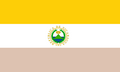
Flag Of Nicaragua — photo 3
🎨 Design And Colors
The design of Nicaragua's flag is simple yet meaningful! 🎨The two blue stripes represent the country's two oceans. The white stripe in the middle stands for peace and hope. In the center, the Coat of Arms has a triangle with five volcanoes and a rising sun, symbolizing strength and beauty. 🌋The volcanoes remind us of Nicaragua’s interesting geography, as it has over 40 volcanoes! The colors are also connected to the Central American region, where countries share similar blue and white flags.
Go deeper🏆 Usage And Protocol
The Nicaraguan flag is used in many important events! 🏆On national holidays, like Independence Day on September 15, the flag is proudly displayed everywhere. People raise the flag at schools, homes, and government buildings. It’s important to treat the flag with respect, such as never letting it touch the ground. 🚫When the national anthem is played, the flag should be raised on a flagpole. This shows honor to the country and its values, as the flag is a proud symbol of Nicaraguan culture and history.
Go deeper⏳ Historical Evolution
Nicaragua's flag has changed and developed over time! ⏳When Nicaragua first adopted its flag on September 4, 1908, it didn't have the Coat of Arms. It just had blue and white stripes. The flag was officially recognized on August 27, 1971, which made the Coat of Arms a permanent part of it. 🎉The design reflects Nicaragua's journey through history, especially after its independence from Spain in 1821. The flag has seen many changes but continues to represent freedom and unity for all Nicaraguans.
Go deeper📜 Notable Flag Incidents
Sometimes, flags have interesting stories behind them! 📜In 1986, during the Nicaraguan Civil War, the flag was a powerful symbol for those fighting for justice and peace. Many people waved the flag to show their love for their country, even in tough times. 🚩In 2018, a wave of protests took place, and the flag was used to express the people's hopes for a brighter future. This shows that the flag is not just a piece of cloth; it represents the dreams and struggles of all Nicaraguans!
Go deeper📖 Symbolism Of The Elements
Every element on the Nicaraguan flag tells a story! 📖The blue stripes represent the two oceans that border Nicaragua, reminding us of its beautiful coastlines. The white stripe in the middle symbolizes peace, showing the Nicaraguan people's dream for a calm and happy land. 🌼The Coat of Arms has a triangle to represent equality, with five volcanoes to show the country’s natural beauty. 🌄The sun rising over the volcanoes means hope for the future. All these elements come together to celebrate the nation’s identity and its aspirations!
Go deeper🎉 Nicaraguan Flag In Culture
The Nicaraguan flag is more than just a flag; it is part of the culture! 🎉People proudly wear the colors of the flag during festivals and celebrations, showing their love for the country. Traditional dances and music often feature blue and white decorations, making them lively and patriotic. 🎶Artists and craftsmen create beautiful artwork using the flag's colors, and children learn about it in school. The flag inspires pride and unity among Nicaraguans, reminding them of their shared heritage and values.
Go deeper🌐 Comparison With Other Flags
The Nicaraguan flag is similar to other Central American flags! 🌐For example, the flags of Honduras and El Salvador also have blue and white colors. However, Nicaragua's flag is unique because of its Coat of Arms in the center. 🎨Other flags from countries like Argentina and Uruguay also feature blue and white, but they have different designs and symbols. Each flag has its own story, but the color blue often represents water or the sky, while white stands for peace in many cultures!
Go deeper🌍 International Representation
Nicaragua's flag represents the country on the global stage! 🌍When Nicaragua participates in international events like the Olympics or United Nations meetings, the flag is proudly displayed. It lets the world know about its culture, values, and people. Nicaraguan athletes carry the flag during the opening ceremony, showcasing their pride. 🏅The flag is also used in diplomatic relations, showing Nicaragua's commitment to peace and cooperation with other nations around the globe!
Go deeper📅 Flag Adoption And Legal Status
The adoption of the Nicaraguan flag marks an important moment in the country's history! 📅After the first design was created in 1908, it wasn’t until August 27, 1971, that it was officially recognized by law. This means that the flag is now protected and respected as a symbol of Nicaragua. 🇳🇮 Laws ensure proper usage of the flag and outline how it should be treated. It is celebrated and honored in schools and public places, reminding everyone of its significance every day!
Go deeper