Flag Of Denmark Facts For Kids
The flag of Denmark, known as the Dannebrog, is a red flag with a white Nordic cross that extends to the edges, with the vertical part of the cross shifted to the hoist side.
Select reading age

Flag Of Denmark Facts For Kids
Videos & Quizzesincluded
About this topic
The flag of Denmark is called the Dannebrog! 🇩🇰 It's bright red with a white cross that goes all the way to the edges. This flag is very special to the Danish people and is considered one of the oldest flags in the world. The Dannebrog has been waving since the 13th century! It symbolizes Denmark’s history and is a source of national pride. People see this flag everywhere in Denmark, from homes to government buildings. Learning about flags like the Dannebrog helps us understand different countries and their cultures. Every flag tells a story! 🌍✨
Explore with ChatDinoKey Points
In Denmark, people love showing their pride with the national flag!
The Dannebrog is red with a white Nordic cross that stretches from top to bottom and side to side.
The Dannebrog is deeply embedded in Danish culture!
While the main Dannebrog flag is red and white, there are some special versions too!
The legend says that the Dannebrog fell from the sky during a battle in 1219!
Denmark has a special Flag Day called "Flag Day," celebrated every June 15th!
Did you know that many Nordic countries have similar flags?
The Danish flag is known all over the world!
In Denmark, there are laws about how to treat the Dannebrog!
Photos of Flag Of Denmark

Gelre Armorial (fol. 55v), the entry for the king of Denmark showing the white-on-red cross banner
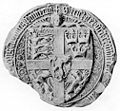
Seal of Danish, Norwegian and Swedish monarch, King Eric of Pomerania. This seal is known from documents dating 1398-1435.

Cigarette card of 1890, depicting the royal standard of the Danish West Indies

Flag Of Denmark — photo 4

Information sign at Guinness World Records Copenhagen
🏠 Usage And Etiquette
In Denmark, people love showing their pride with the national flag! 🏠It’s common to fly the Dannebrog during holidays and celebrations. However, there are some rules! For example, flags should be raised at sunrise and lowered at sunset. People should also never let the flag touch the ground, as it is considered disrespectful. When a funeral happens, the flag is flown at half-mast to honor the deceased. Following these rules helps show respect for the flag and what it represents to the Danish people. 🇩🇰🕊️
Go deeper🚩 Design And Symbolism
The Dannebrog is red with a white Nordic cross that stretches from top to bottom and side to side. The vertical part of the cross is shifted a little to the left side, called the "hoist." 🚩 The red color stands for courage, while the white represents peace. The cross symbolizes Christianity and the country’s long history with the church. The simple design makes it easy to recognize! Different designs can tell different stories about a country. Every color and shape holds meaning, making flags like the Dannebrog special to their people! 🎨
Go deeper🖼️ Flag In Danish Culture
The Dannebrog is deeply embedded in Danish culture! 🇩🇰 During birthdays, many people hang the flag to celebrate special occasions. The flag is also a must-have for big national events, like the Constitution Day on June 5th! In schools, children learn about the flag’s significance, often singing songs that mention it. People decorate their homes with the flag during summer festivals and Christmas. The Dannebrog has even inspired stories, poems, and artwork! 🖼️ Flags can bring people together, and the Dannebrog is like a warm hug for everyone in Denmark! ❤️
Go deeper🤩 Variations Of The Flag
While the main Dannebrog flag is red and white, there are some special versions too! 🤩For example, the naval flag, used by ships, has a slightly different design. It features a blue and white shield that often represents the monarchy. Additionally, there are flags for different regions in Denmark, like the flag of Greenland and the Faroe Islands. These flags still use the Nordic cross design but have their unique colors. Each variation shows how creative and diverse flags can be while still telling the country’s story! 🎉
Go deeper⚔️ History Of The Danish Flag
The legend says that the Dannebrog fell from the sky during a battle in 1219! ⚔️ King Valdemar II was leading his troops when they saw this beautiful red flag with a white cross. They believed it was a sign from God to win the battle. The Dannebrog became a symbol of bravery and faith. Over the years, the flag has changed slightly, but its colors and design have stayed the same. Today, you can find this flag on many special occasions in Denmark. Flags help keep stories alive, and the Dannebrog's story is over 800 years old! 📜
Go deeper🎉 Flag Day Celebrations In Denmark
Denmark has a special Flag Day called "Flag Day," celebrated every June 15th! 🎉People all over the country get together to honor the Dannebrog with ceremonies and festivities. Parades and parties fill the streets, and everyone waves their red and white flags with joy! Schoolchildren often join their families to celebrate, learning about the flag’s significance while having fun. This day is a reminder of the nation's history and the pride Danes feel for their beloved flag! It’s a beautiful time to appreciate everything the Dannebrog represents! 🥳
Go deeper🤔 Comparison With Other Nordic Flags
Did you know that many Nordic countries have similar flags? 🤔Countries like Sweden, Norway, Finland, and Iceland also use the cross design, showing their shared history. For example, Sweden's flag features a blue background with a yellow cross. Each Nordic flag has its own unique colors and patterns, but they all connect to the culture of the Nordic region. The idea of a cross on flags shows the importance of Christianity in these countries. It's like being part of a family that shares a special secret! These flags make the Nordic countries stand out in a crowd! 🎈
Go deeper🌍 International Use Of The Danish Flag
The Danish flag is known all over the world! 🌍You'll see it at international events, fairs, and competitions where Denmark participates. It symbolizes Denmark’s presence in sports like the Olympics, where athletes proudly wave their flag during ceremonies. You might also find the Dannebrog in Danish embassies around the world. Countries that share a friendship with Denmark might display the Danish flag as a sign of goodwill. This shows everyone how flags can help people connect and understand each other better, no matter where they are! 🤝🇩🇰
Go deeper🚨 Legal Regulations Regarding The Flag
In Denmark, there are laws about how to treat the Dannebrog! 🚨People must show respect for the flag. For example, it's illegal to burn the flag or use it in an embarrassing way. The government has guidelines about when and how to raise the flag, ensuring everyone follows the same rules. Schools teach children about these regulations to foster pride in their national identity. Learning about the law helps Danes understand the importance of their flag as a symbol of unity, respect, and pride! 📜🏛️
Go deeper