Film Editing Facts For Kids
Film editing is both a creative and technical process that transforms raw footage into a cohesive story, shaping how a film is experienced by its audience.
Select reading age

Film Editing Facts For Kids
Videos & Quizzesincluded
About this topic
Film editing is like putting together a giant puzzle! 🧩When people make movies, they take lots of small video bits called "shots" and assemble them into a fun story. This is done by an editor, who decides which parts fit together best to make the movie exciting and entertaining. Film editing started over a century ago, with the first films made around the 1890s! Today, it’s super important for all kinds of movies, from cartoons to scary films. 🎬Editing helps show feelings, create action, and keep audiences on the edge of their seats!
Explore with ChatDinoKey Points
Cutting is an essential part of film editing!
An editor is like the captain of the movie ship!
Film editing began in 1896 when a man named Georges Méliès made special effects in his films!
Sound design is like adding sprinkles to a cake!
Different movies use different editing styles!
Modern editors use special tools on computers to help with editing!
Colors can tell a story too!
There are some cool tricks editors use!
Documentaries and narrative films are different, and so are their editing styles!
Photos of Film Editing

Generic Video: video, audio, multimedia, movie.

Screenshot from The Four Troublesome Heads, one of the first films to feature multiple exposures.

Scene from The Great Train Robbery (1903), directed by Edwin Stanton Porter
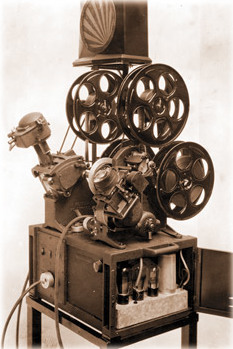
The original editing machine: an upright Moviola.

Acmade Picsynch for sound and picture coordination

Film Editing — photo 6

✂️ Cutting Techniques
Cutting is an essential part of film editing! ✂️ There are different types of cuts: a "straight cut" is when one shot jumps directly to another. Quick! 🏃♂️ A "jump cut" allows the audience to see a time jump—like skipping ahead in a book! 📖Then, there's the "match cut," where one scene matches the shape or movement of another. 🌀Cinematic magic! Editors need to understand how each cut affects how we feel. Each cut prepares us for what’s next in the story, keeping us interested!
Go deeper🛳️ The Role Of An Editor
An editor is like the captain of the movie ship! 🛳️ They work with directors to decide how the final movie should look. They choose which scenes to keep, cut, and arrange, making sure the story makes sense. 🔍Editors often work long hours to get everything perfect! They must be great at storytelling and have a good sense of timing. Plus, editors are creative! They might even suggest adding special effects or music to make scenes more thrilling! 🎶Without editors, movies would be a jumble of scenes!
Go deeper🎩 History Of Film Editing
Film editing began in 1896 when a man named Georges Méliès made special effects in his films! 🎩He would carefully cut and join pieces of film to make magic tricks happen. But it wasn't until around 1920 that editing became really important in storytelling. One famous editor, D.W. Griffith, used editing to build suspense in his films! 📚Today, editing has grown with technology, but it all started with scissors and glue! Imagine cutting up film strips like a kid’s art project—except it tells a story! ✂️
Go deeper🎂 Sound Design In Editing
Sound design is like adding sprinkles to a cake! 🎂During editing, editors add sounds that help to create excitement and feelings! 🎉This includes dialogue, sound effects (like footsteps or explosions!), and music! 🎶For example, a loud drumbeat brings excitement to action scenes, while soft piano music makes sad moments feel deeper. Also, during editing, sound is often mixed and balanced so that everything can be heard clearly. A movie can feel very different depending on its sounds, making sound design super important!
Go deeper🎥 Types Of Editing Styles
Different movies use different editing styles! 🎥For example, action movies may use fast cuts to keep you excited and on the edge of your seat! 😱Animation might have smoother transitions, as everything is created with animation. Documentaries show facts and real-life events, so the editing can be slower and more informative. 🧐Another fun style is "montage," where many quick clips show a summary of events or a character's journey. Each style helps create the atmosphere and feel of the film!
Go deeper💻 Editing Software And Tools
Modern editors use special tools on computers to help with editing! 💻Popular editing software includes Adobe Premiere Pro and Final Cut Pro. These programs let editors cut, rearrange, and add effects to the film. 📽️ They can use shortcuts to make work faster and add cool filters to change colors! Some editors might even work on tablets with apps to make editing fun. It’s truly like magic! With these tools, editing can be super creative and exciting! 🌟
Go deeper🎨 Color Correction And Grading
Colors can tell a story too! 🎨After editing, editors do something called color correction to make all the colors match. For example, a scene in the sunny day might need bright colors, while a scary night scene may have dark blues and greens. 🌙Color grading gives movies their unique "look." Editors can make colors warmer or cooler to match the story mood. 🎭Every shade and tone can help the audience feel excitement, sadness, or mystery—it’s like painting a masterpiece on a movie canvas!
Go deeper🌊 Basic Techniques In Film Editing
There are some cool tricks editors use! First, there's the "cut," where one shot suddenly changes to another. This keeps the movie flowing smoothly. 🌊Then comes the "fade," where the picture slowly disappears or appears. It's great for showing time passing! ⏳Also, editors use "dissolves," blending one scene into another. They even add special effects! 🎉These techniques help tell a story that grabs your attention and makes you feel different emotions. Emotions like happiness, sadness, and excitement can be shown just by how shots are put together!
Go deeper🎥 Editing In Documentary Vs. Narrative Films
Documentaries and narrative films are different, and so are their editing styles! 🎥Documentaries focus on real-life stories and facts, which means the editor must stay true to the facts. 📚They use interviews, real footage, and voiceovers to guide the audience, creating a clear message. In narrative films (like fairy tales or adventures), there’s more room for creativity! 🏰Editors can play more with storytelling, and sometimes even invent scenes! Both editing styles help tell their unique stories, showing how different they can be in shaping what we see on screen! 🎉
Go deeper