Filefish Facts For Kids
Filefish are unique marine fish characterized by their flattened bodies and vibrant colors, known for their ability to camouflage and inhabit shallow coastal waters.
Select reading age
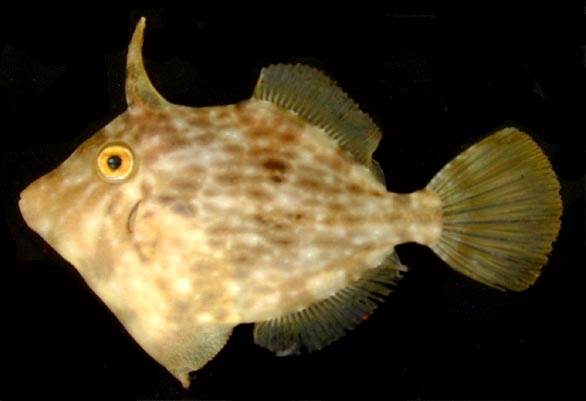
Filefish Facts For Kids
Videos & Quizzesincluded
About this topic
Filefish are fascinating fish that belong to the family Balistidae! 🐟They live in warm ocean waters around the world. You can find them in places like the tropical regions of the Pacific and Atlantic Oceans, particularly near coral reefs. Filefish have a unique body shape that resembles a flattened file or a leaf, giving them their name. They are often colorful, showcasing brilliant hues of blue, green, and yellow! 🌊Did you know that some species can change color to help them blend in? This helps them hide from predators!
Explore with ChatDinoKey Points
Not all filefish species are endangered, but some are experiencing population declines.
Filefish have a few natural predators in the ocean, such as larger fish, sharks, and sea turtles.
Filefish are found in warm, shallow waters of oceans worldwide.
Filefish are uniquely shaped!
Filefish are omnivores, meaning they eat both plants and animals!
Filefish have an interesting way of reproducing!
Filefish are mostly solitary animals but can form small groups when feeding or during mating.
Filefish have a special place in some cultures!
Photos of Filefish

This fan-bellied leatherjacket, Monacanthus chinensis, was photographed in nearshore water, on the northeast coast of Taiwan.

Aluterus scriptus grows up to 110 cm (43 in) in length.

Cantherhines macrocerus

Jwipo (left), Korean dried and flattened filefish
🌍 Conservation Status
Not all filefish species are endangered, but some are experiencing population declines. 🌍The IUCN (International Union for Conservation of Nature) assesses their status. Some filefish face threats from habitat loss due to coral reef damage and climate change. 🌡️ Conservation efforts are essential to protect their habitats and ensure healthy ocean ecosystems. People can help by supporting marine reserves and reducing plastic waste in oceans! 🌊Every little action counts in preserving the lives of these colorful fish!
Go deeper🦈 Predators And Threats
Filefish have a few natural predators in the ocean, such as larger fish, sharks, and sea turtles. 🦈They use their camouflage to hide from these hunters, but when threatened, they can also release toxins from their skin, making them unappetizing to eat! ⚠️ Unfortunately, filefish are also affected by human activities such as overfishing and habitat destruction. 🏝️ Pollution in the oceans can harm their homes and food sources, putting their populations at risk.
Go deeper🌏 Habitat And Distribution
Filefish are found in warm, shallow waters of oceans worldwide. 🌏They often live near coral reefs, seagrass beds, and rocky areas. The Caribbean Sea, around Florida, is one of their favorite hangouts! 🌴You can also see them in the Great Barrier Reef in Australia. Filefish prefer to stay close to the bottom of the ocean, where they can find shelter and food. They like to hide among coral and rocks during the day. 🌞This helps them stay safe from larger fish that might want to eat them!
Go deeper📏 Physical Characteristics
Filefish are uniquely shaped! They have flattened bodies and long, pointed snouts. 📏Most filefish are around 6 to 20 inches long, depending on the species. Their skin is thick and covered with tiny scales that can feel a bit rough. Some filefish can change colors to match their surroundings, providing great camouflage! 🦎Many filefish have a spiky dorsal fin, which they can raise when feeling threatened. The colors and patterns on their skin can vary widely, making them look like living pieces of art! 🎨
Go deeper🍽️ Diet And Feeding Behavior
Filefish are omnivores, meaning they eat both plants and animals! 🍽️ Their favorite meals include algae, small invertebrates like shrimp, and even jellyfish! 🦐They have a special beak-shaped mouth that helps them graze on the algae growing on rocks and reefs. Filefish often use their sharp teeth to nibble on their food and can be found poking around coral. Their feeding habits are important because they help keep the reefs healthy by controlling algae growth! 🌿
Go deeper🥚 Reproduction And Life Cycle
Filefish have an interesting way of reproducing! Most species are known to be egg-layers, meaning they lay eggs in the water. 🥚During the breeding season, males and females perform special dance-like movements to attract each other. After mating, the female releases her eggs, which float away. The eggs hatch into tiny fish called larvae. 🐠These larvae drift in the ocean currents until they grow big enough to swim to the reefs. This process helps spread filefish populations across different areas!
Go deeper🎣 Behavior And Social Structure
Filefish are mostly solitary animals but can form small groups when feeding or during mating. 🎣They are curious and often explore their surroundings. Even though they can be shy, filefish communicate with each other through body language and color changes. 🗣️ Some species are known for their interesting behavior called "puffing," where they take in water to make themselves look bigger when threatened! This helps scare off predators. 🌪️
Go deeper🌏 Cultural Significance And Human Interaction
Filefish have a special place in some cultures! 🌏In Japan, filefish, especially the species called "Fugu," is considered a delicacy. However, chefs must be very careful because some filefish contain toxins! ☠️ Artists and coral reef enthusiasts also admire filefish for their vibrant colors and unique shapes. 🖌️ People enjoy snorkeling and scuba diving to observe filefish in their natural habitats. Protecting these amazing creatures is important to ensure future generations can learn and appreciate them! 🌺
Go deeper