Fiji Facts For Kids
Fiji is a beautiful island nation in the South Pacific, known for its stunning landscapes, vibrant culture, and warm hospitality.
Select reading age
Fiji Facts For Kids
Videos & Quizzesincluded
About this topic
Fiji is a beautiful island country located in the South Pacific Ocean! 🌊It is made up of over 300 islands, with the two largest being Viti Levu and Vanua Levu. Fiji is known for its stunning beaches, coral reefs, and friendly people. The capital city is Suva, which is situated on Viti Levu. The country has a tropical climate, meaning it is warm and sunny most of the year! ☀️ Fijians are very welcoming, and the country has a unique culture that includes traditional music, dance, and crafts. With a population of about 900,000 people, Fiji is a wonderful place full of life!
Explore with ChatDinoQuick Facts
Key Points
Fiji has a rich history dating back over 3,500 years!
Fiji is located about 2,000 kilometers northeast of New Zealand and about 3,000 kilometers south of Hawaii!
In Fiji, the most common languages are Fijian, Hindi, and English.
Fiji is a fantastic place for tourists with lots of activities to enjoy!
The economy of Fiji relies on tourism, agriculture, and fishing.
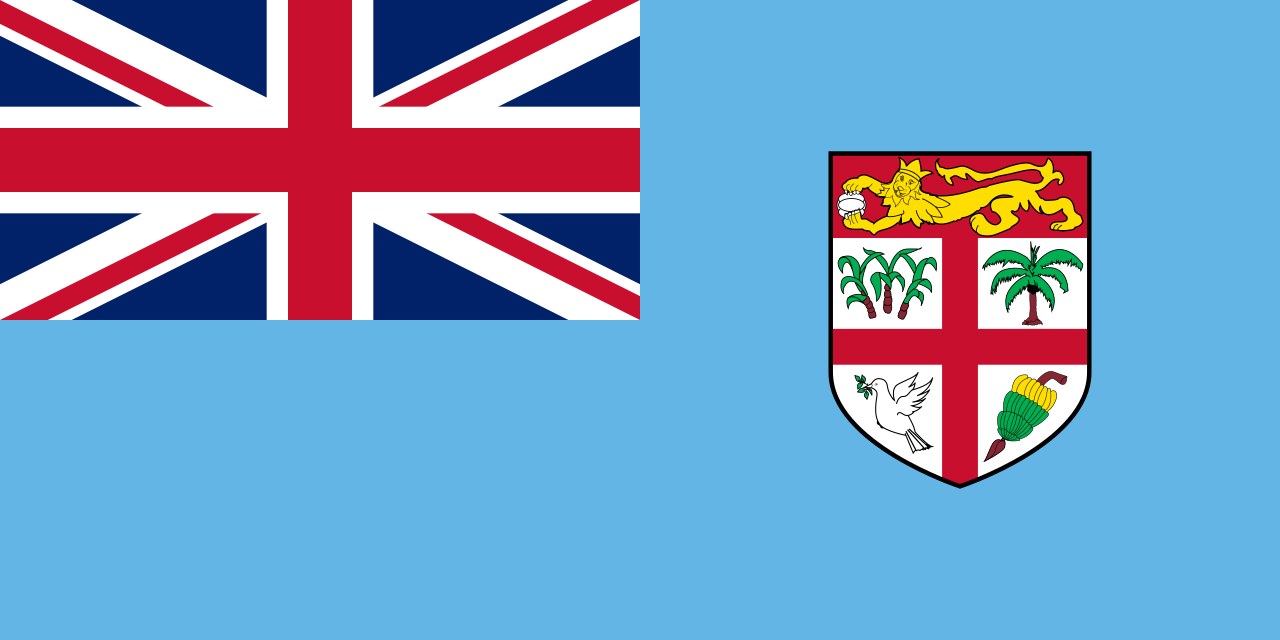
Fiji has a democratic government.
Fiji is known for its colorful festivals and lively traditions!
Fiji is home to amazing wildlife!
Photos of Fiji

Ratu Seru Epenisa Cakobau, Self Proclaimed Tui Viti

Kai Colo warrior

The first Europeans to land and live among the Fijians were shipwrecked sailors like Charles Savage

Ratu Tanoa Visawaqa

A Fijian mountain warrior. Photograph by Francis Herbert Dufty, 1870s

Bure-kalou or temple, and scene of cannibalism

Levuka, 1842

Map showing the migration and expansion of the Austronesians, beginning c. 3000 BC from Taiwan

Flag of the Confederacy of Independent Kingdoms of Fiji, 1865–1867

Flag of the Kingdom of Fiji, 1871–1874
🌿 History And Culture
Fiji has a rich history dating back over 3,500 years! The first people to settle in Fiji were the Lapita people, who traveled from Southeast Asia. They brought their culture, language, and farming skills with them. 🌿In 1874, Fiji became a British colony and gained independence in 1970. Fiji’s culture is a mix of indigenous Fijian traditions and influences from Europe and India. Fijian people love to tell stories through dance and music, especially the “meke,” a traditional dance that tells a story. 🎶
Go deeper🗺️ Geography And Climate
Fiji is located about 2,000 kilometers northeast of New Zealand and about 3,000 kilometers south of Hawaii! 🗺️ The islands are surrounded by crystal-clear water with many coral reefs that are home to colorful fish. The climate is warm and tropical, with average temperatures ranging from 20 to 30 degrees Celsius (68 to 86 degrees Fahrenheit). 🌡️ The rainy season is from November to April, while the dry season is from May to October. Some areas may experience cyclones, but the islands generally have thick green vegetation.
Go deeper📚 Language And Education
In Fiji, the most common languages are Fijian, Hindi, and English. 📚Fijian is spoken by many indigenous people, while Hindi is spoken by people of Indian descent. English is used for schools and government. Education is important in Fiji, and children usually start school at age 6. 🏫They learn subjects like math, science, and arts. The education system helps children gain knowledge to build a better future for themselves and their country! Many schools also teach students about Fijian culture and traditions.
Go deeper🌴 Tourism And Activities
Fiji is a fantastic place for tourists with lots of activities to enjoy! 🌴You can go snorkeling or scuba diving to explore the colorful coral reefs and see fish up close. Many people love to relax on the sandy beaches and enjoy the warm sun. ⚓Fijians also welcome visitors to learn about their culture through traditional ceremonies and village visits. Hiking is popular as well, with trails leading to stunning waterfalls and impressive mountains. Adventure seekers can try kayaking, jet skiing, or even zip-lining through the trees!
Go deeper🏖️ Economy And Agriculture
The economy of Fiji relies on tourism, agriculture, and fishing. 🏖️ Tourism is a significant industry because many people visit Fiji to enjoy its beaches and warm weather. Agriculture includes growing sugarcane, which is one of the main crops in Fiji, and other fruits like coconuts and pineapples. 🍍Fishing is also important for food and trade, with many Fijian families relying on seafood. The government works with local farmers to help them grow their crops and support the economy to keep Fiji thriving!
Go deeper🗳️ Government And Politics
Fiji has a democratic government. 🇫🇯 This means that the people vote to choose their leaders. The President of Fiji is the head of state, while the Prime Minister leads the country. Fiji has a parliamentary system, where representatives are elected to make decisions for the country. 🗳️ The government works to improve life for all Fijians, providing services like education and healthcare. It’s important for children to understand how their government works and how they can participate in their communities as they grow up!
Go deeper🎉 Festivals And Traditions
Fiji is known for its colorful festivals and lively traditions! 🎉One of the most famous celebrations is the Hibiscus Festival, held in August in Suva. During this festival, there are parades, music, and dancing! Another important celebration is Diwali, celebrated by families of Indian descent with lights, sweets, and fireworks. 🪔Fijians also have traditional ceremonies to mark life events, such as weddings and births. These events often include singing, dancing, and delicious food. Festivals are an important way for the community to come together and share their culture!
Go deeper🦋 Biodiversity And Natural Environment
Fiji is home to amazing wildlife! 🦋You can find over 2,000 species of fish living in its coral reefs, along with sea turtles and colorful sea anemones. On land, there are exotic birds like the Fiji Goshawk and unique plants like the Fiji Bat Plant, which has beautiful large leaves. 🐦The forests are thick with trees and flowers, providing homes for many animals. Fiji’s stunning natural environment makes it a paradise for nature lovers, and many people work to protect its biodiversity to keep it thriving for future generations!
Go deeper