Figure Skating Facts For Kids
Figure skating is a graceful sport where individuals, pairs, or groups perform on ice, combining elements of dance and athletic skill through choreographed routines.
Select reading age

Figure Skating Facts For Kids
Videos & Quizzesincluded
About this topic
Figure skating is a fun and exciting sport where athletes glide on ice while doing beautiful movements! 🧊✨ It combines elements of dancing and acrobatics, making it a unique sport. Skaters wear special shoes called skates that have metal blades on the bottom, helping them to slide around. Figure skating can be performed individually (singles), in pairs, or in groups called ice dance. It’s loved in countries like Canada, Russia, and the USA. Skaters practice a lot to perfect their routines and wow the judges. The fun part? It can be enjoyed both as a hobby and in competitions! 🏆
Explore with ChatDinoKey Points
Many amazing skaters have inspired fans through the years!
Figure skating started in the 1700s!
Before jumping and spinning, skaters learn basic techniques!
The future of figure skating looks bright!
Jumps and spins are super cool moves in figure skating!
In figure skating competitions, judges score each performance based on different rules.
Figure skating has amazing competitions around the world!
Figure skating has different styles and disciplines that make the sport exciting!
Photos of Figure Skating

"Central Park, Winter: the Skating Pond", 1862 lithograph

Close-up of a figure skating blade, showing the toe picks, the hollow (groove) on the bottom of the blade, and screw attachment

Blade sharpening

Figure skates and edges

Figure Skating — photo 5
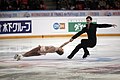
Figure Skating — photo 6

Figure Skating — photo 7

Figure Skating — photo 8

Figure Skating — photo 9
🥇 Famous Figure Skaters
Many amazing skaters have inspired fans through the years! One famous skater is Michelle Kwan, who won 5 World Championships and two Olympic medals. 🥇Another legend is Tara Lipinski, who won the 1998 Olympics at just 15 years old! Johnny Weir is known for his colorful costumes and unique style. 🩰Yuzuru Hanyu from Japan made history by becoming the youngest male to win consecutive Olympic golds in 2014 and 2018! 🥇These skaters and many more have shown that practicing hard can lead to incredible achievements, inspiring kids everywhere to skate! 💖
Go deeper🕰️ History Of Figure Skating
Figure skating started in the 1700s! 🕰️ The first figure skating club was formed in Edinburgh, Scotland, in 1742. By the 1800s, people were performing tricks and jumps. In 1908, figure skating became part of the Olympic Games! The first Olympic event took place in St. Moritz, Switzerland. As the sport grew, women were allowed to compete in the Olympics as well. In 1976, ice dancing became a separate event. 🩰Today, figure skating is loved all around the world, and schools teach kids how to skate for fun and fitness! 🌍
Go deeper🛼 Basic Techniques And Skills
Before jumping and spinning, skaters learn basic techniques! 🛼First, they practice gliding on the ice smoothly. Skaters learn to balance, stop, and turn. They use the edges of their blades to control their movements. Skating forward and backward is essential, too! Skaters also practice positions, like the "Arabesque," where one leg stretches backward while gliding. Joining figure skating classes helps kids improve their skills safely with coaches. Every skater must wear a helmet and gloves while practicing! 🧤Always remember to enjoy skating and have fun on the ice, whether you’re learning or performing! 🌟
Go deeper🌅 The Future Of Figure Skating
The future of figure skating looks bright! 🌅New technology helps skaters analyze their performance with videos and motion sensors. This helps them improve faster! Coaches are always finding new ways to teach and inspire young skaters. As more kids join this amazing sport, figure skating is becoming more diverse and introduces fresh talent! 🤸♀️ Skating clubs and schools encourage participants of all backgrounds to try it out. Special events like "Ice Shows" bring creativity and fun to communities! As figure skating evolves, there’s no limit to how talented the next generation of skaters can be! 🌟
Go deeper🌀 Figure Skating Jumps And Spins
Jumps and spins are super cool moves in figure skating! 🌀✨ There are different kinds of jumps, like the "Axel," which is the only jump that starts with a forward take-off. The "Lutz" and "Flip" jumps are very popular, too! Spins, like the "Camel" and "Sit Spin," showcase a skater’s balance and style. 🌀Jumps and spins are judged on how high, fast, and gracefully skaters perform them. To master these tricks, skaters practice on the ice and sometimes "off-ice" using special equipment. Learning these moves can take time and lots of practice—but they make skaters shine! 🌟
Go deeper🔢 Rules And Scoring In Figure Skating
In figure skating competitions, judges score each performance based on different rules. 🔢There are two main components to scoring: Technical Score (TS) and Program Component Score (PCS). The TS looks at the difficulty of jumps and spins, while the PCS judges the skater's performance quality, including how well they use the music and express themselves! 🎶Skaters must also follow rules about their routines, including time limits and required elements. It's all about creativity and skill! After all the scores are tallied, the skater with the highest total wins. Being fair and consistent is important, making it an exciting sport! 🏆
Go deeper🌍 Major Competitions And Championships
Figure skating has amazing competitions around the world! 🌍The Olympics are the biggest event, held every four years. Other major competitions include the World Championships and the Grand Prix series. Junior competitions also let younger skaters show off their skills! The "Four Continents Championship" includes skaters from regions like North America, Asia, and Europe. Meanwhile, the "European Championships" highlight talented skaters from Europe! 🏅These events gather the best skaters, and the excitement is in the air as they compete for gold, silver, and bronze medals. Cheering for your favorite skater is part of the fun! 🎉
Go deeper🥶 Figure Skating Styles And Disciplines
Figure skating has different styles and disciplines that make the sport exciting! 🥶The "Singles" event features solo skaters performing their routines with jumps and spins. "Pairs" involves a man and a woman skating together, showcasing teamwork and lifts! Ice dance focuses more on rhythm and music interpretation instead of difficult jumps. 🩰Some skaters also perform in synchronized skating teams, where groups of skaters move together in patterns. Each style has its flair, emphasizing artistic expression and athletic skills. Every skater can find a style they love and make the ice their own stage! 🎵
Go deeper