Fertilizers are materials that supply essential nutrients to plants, helping them grow stronger and healthier, and come in both natural and synthetic forms.
Set reading age
View for Kids
Easy to read and understand
View for Students
Clear, detailed explanations
View for Scholars
Deep dives and big ideas
Fertilizer is like a superhero food for plants! 🌱It's a special substance that helps plants grow strong and healthy. Fertilizers provide important nutrients that soil might lack. Nutrients, like nitrogen, phosphorus, and potassium, help plants to grow tall, produce flowers, and make delicious fruits and veggies. 🌼🍎 There are two main types of fertilizers: organic (from natural sources) and synthetic (made in labs). Fertilizers can be sprinkled on the soil or mixed into the ground. They are used all over the world, from tiny gardens to big farms! 🌍🌾
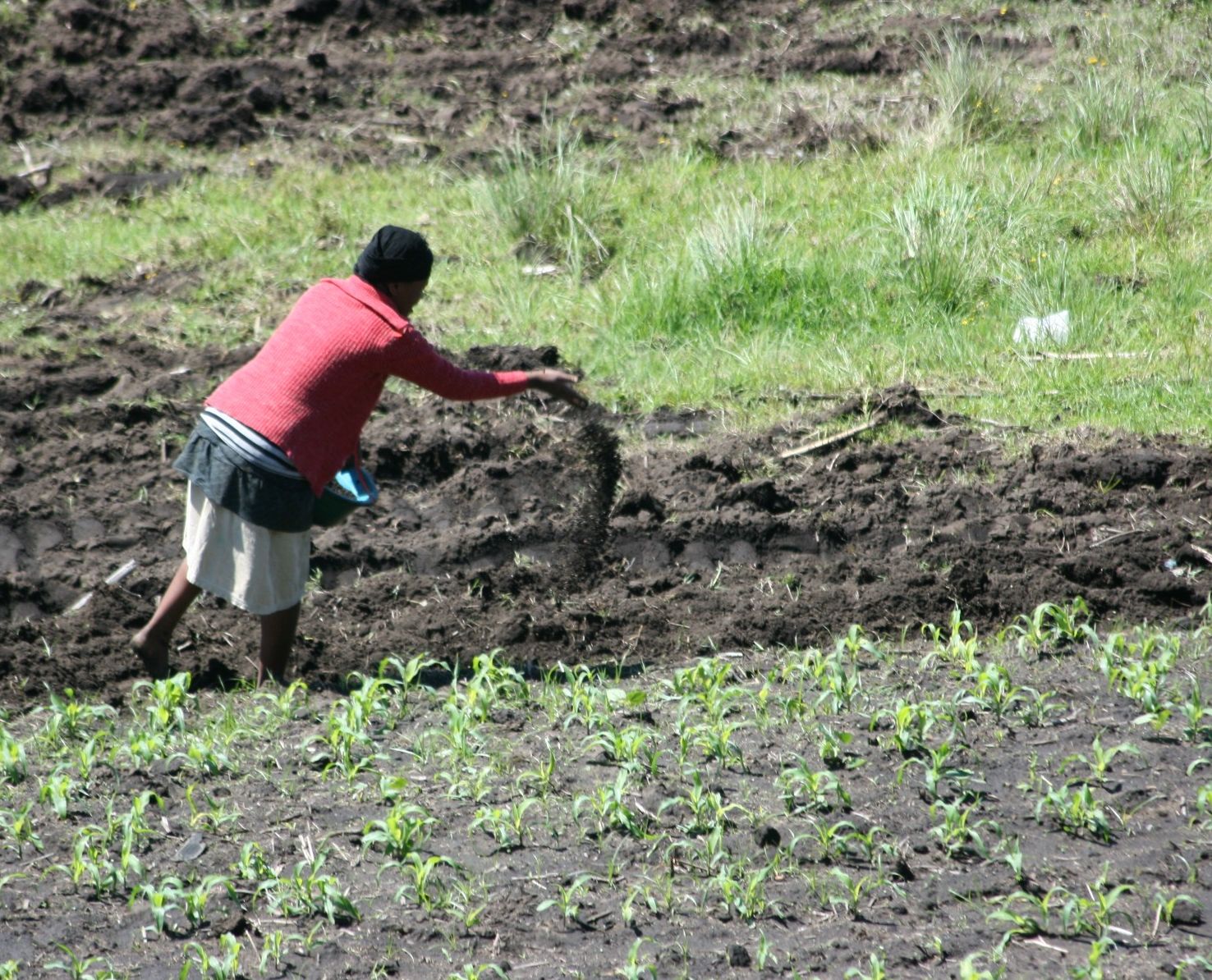
Applying fertilizer is like giving a plant a special treat! 🍰There are many ways to put it on the soil. One way is called "broadcasting," where you sprinkle fertilizer evenly over the soil. 🌾Another method is "banding," where you place fertilizer in rows when planting seeds. Mixing fertilizer into the soil helps it root well. 🌱Some people even use liquid fertilizers, which can be poured directly onto the plant leaves! 🌧️ It’s important to follow instructions carefully to avoid giving plants too much fertilizer, which can hurt them! 🚫🌿
Fertilizers can help plants grow, but they can also affect the environment! 🌍If too much fertilizer is used, it can wash into rivers and lakes when it rains. This can cause a problem called "algae blooms," where too many tiny plants grow and use up oxygen, making it hard for fish and other creatures to live. 🐟So, it’s important for farmers and gardeners to use just the right amount of fertilizer! Using organic fertilizers is one way to help the environment while still keeping plants healthy. 🌱⚖️
Fertilizers can be expensive, but they help farmers grow more food! 💰Farmers must balance how much fertilizer they can afford while ensuring their crops thrive. The cost of fertilizer can change based on many factors, like weather and international demand. 🌾🌍 Some farmers use less expensive organic fertilizers, while others may choose synthetic ones for a quicker effect. Understanding the costs and benefits of different fertilizers helps farmers make the best choices! 📈This way, they can make money while providing us with food! 🍏
Fertilizers have special nutrients that plants need to grow! 🌱Three main nutrients are nitrogen (N), phosphorus (P), and potassium (K). Nitrogen helps plants grow juicy green leaves. 🌿Phosphorus is important for strong roots and beautiful flowers. 🌸Potassium helps plants fight diseases and produce tasty fruits. 🍇Fertilizers have a number shown on their packaging, like 10-10-10, which tells you how much of each nutrient is in the fertilizer. The first number is nitrogen, the second is phosphorus, and the third is potassium. Knowing this helps gardeners pick the best fertilizer for their plants!
There are two main types of fertilizers: organic and synthetic! 🐄🌿 Organic fertilizers come from natural sources like manure, compost, and seaweed. These are great for the environment! Synthetic fertilizers are made in factories and usually contain chemicals. 🚧Both types can help plants grow, but they work in different ways. Organic fertilizers release nutrients slowly and improve soil health over time. Synthetic fertilizers act quickly, but they can pollute the environment if used incorrectly. 🌧️ So, it's essential to choose the right type for your plants!
Safety is super important when using fertilizers! 🚨Many countries have rules about what fertilizers can be used and how to apply them. These regulations help protect the environment, soil, and our food. 🌿Farmers must read labels carefully and follow instructions to avoid overusing fertilizers. They also learn about safe handling to protect themselves! 🧤Teaching kids about fertilizer safety ensures that everyone understands how to care for plants and the environment. Remember: safety first! 🥳
Soil is like a treasure chest for plants! 🌍But some fertilizers can change its health. Organic fertilizers help improve soil structure and add nutrients. They also feed tiny creatures called microorganisms, which are important for breaking down organic matter. 🐛🌱 On the other hand, using too many synthetic fertilizers can harm soil life. It's essential to take care of the soil to ensure plants have everything they need. Healthy soil leads to healthy plants, which helps farmers grow more food for us! 🌽🍅
Different crops need different types of fertilizers to help them grow! 🌽For example, corn loves nitrogen because it helps produce lots of green leaves. Soybeans and legumes can use less fertilizer because they get some nutrients from the air. 🌱Some fruits need more potassium for sweetness, while flowers might benefit from phosphorus for vibrant colors! 🌼Farmers study their crops and soil to figure out which fertilizers are best for their homegrown goodies! 🍓Knowing these tips helps make our food delicious and healthy!
Organic fertilizers come from natural materials, like animal waste or decomposed plants. 🐔🌾 These materials slowly add nutrients to the soil and improve its health over time. They also help the good bacteria and worms that live in the soil! 🌍✨ On the other hand, synthetic fertilizers are made in factories and give a quick nutrient boost to plants. While they work faster, using too much can damage the soil and water. 💧🍃 Many farmers and gardeners look for a balance, using both types to make their plants super happy!
Around the world, people use fertilizers to grow food! 🌍In 2021, it was estimated that about 185 million metric tons of fertilizers were used! The biggest users are countries like China, India, and the United States. 🚜These countries grow crops like rice, wheat, and corn, which feed millions of people. As more people are born, the demand for food rises, which means fertilizers will continue to be important! 🌾⚖️ By understanding how fertilizers work, we can help feed the world in safe and sustainable ways! 🍽️


DIY is a creative community where kids draw, build, explore ideas, and share.
No credit card required