Face Facts For Kids
The face is the front part of an animal's head that features the eyes, nose, mouth, and sometimes ears, allowing animals to express emotions and communicate.
Select reading age

Face Facts For Kids
Videos & Quizzesincluded
About this topic
The face is the front part of an animal's head, showing important features like the eyes, nose, and mouth. It is where we express feelings and communicate with others! 🐶🐱 Different animals have unique faces that help them survive. For example, a lion has a powerful face to show strength, while a cute rabbit has a soft face to appear friendly. The face helps us see, smell, eat, and show emotions. Each face is special, making it easy to recognize friends and family members! Every time we see a smile or frown, we can understand how someone feels. 😊
Explore with ChatDinoKey Points
The face has several key parts.
Faces come in many shapes!
Faces have inspired countless artists and writers throughout history!
Faces are not just for seeing; they hold cultural meanings!
Did you know that our faces can show many emotions?
Facial features are super important because they have different jobs!
Faces are major players in communication!
Taking care of our faces is super important!
Technology has come a long way in understanding faces!
Photos of Face


Face — photo 3
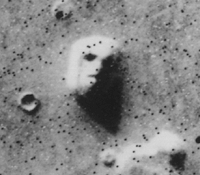
The face perception mechanisms of the brain, such as the fusiform face area, can produce facial pareidolias such as this famous rock formation on Mars.
🙉 Anatomy Of The Face
The face has several key parts. 🙉The two eyes help us see the world around us! They are usually located at the front but sometimes on the sides, like in fish. The nose helps us smell things, which is especially important for animals like dogs and cats—they have amazing noses! 👃The mouth is where we eat, talk, and express emotions. It has teeth for eating food and lips for sealing the mouth. These parts work together to help animals interact with their environment, find food, and show emotions to their friends! An average human face also has two eyebrows placed above the eyes.
Go deeper👶 Face Shape Variations
Faces come in many shapes! 👶There are round, oval, square, heart-shaped, and more! For example, people with round faces often have soft facial features. Being oval usually means a longer face with balanced proportions. 🧐Think about animals too! Cats have a wonderful triangular face shape, while penguins have more rounded faces! 🐧Different face shapes can show different traits. For instance, square faces are often linked to strength! Shapes are important for identity and can help us find similarities and differences among all the beautiful faces in the world! 🌍
Go deeper🎨 Faces In Art And Literature
Faces have inspired countless artists and writers throughout history! 🎨Famous paintings, like the Mona Lisa by Leonardo da Vinci, show complex expressions that make us wonder what she’s thinking. 📖In literature, characters are often described through their faces to help us imagine them better. Think of the Mad Hatter from Alice's Adventures in Wonderland! 🤡Books for kids often use funny faces to teach emotions or lessons. Cartoons exaggerate facial features to make characters memorable. 🎉Artists and authors love to celebrate the unique charm of faces in their works, sharing our human experiences! ✨
Go deeper😊 Cultural Significance Of Faces
Faces are not just for seeing; they hold cultural meanings! In many cultures, the face tells a story. 😊For example, in Japan, it's common to cover your mouth when laughing to show modesty. In some African tribes, face paintings represent identity and beliefs! 🎨The famous artist, Pablo Picasso, painted faces in unique ways to show emotions. 🖌️ Masks are used in festivals around the world to represent different characters. Whether through art, traditions, or celebrations, faces become symbols of culture, telling tales that help people connect with each other! 👫
Go deeper😊 Facial Expressions And Emotions
Did you know that our faces can show many emotions? 😊👎 When we’re happy, we smile, and when we’re sad, we frown. Our faces can even show surprise with wide-open eyes! 🤯There are seven basic emotions: happiness, sadness, anger, fear, surprise, disgust, and contempt. 🤔Animals also express feelings using their faces! A dog that has its ears back and eyes wide is likely scared. 🐕In ancient times, philosophers studied facial expressions to understand emotions. Today, we use emojis to show feelings in texts, like a smile 😊 or a crying face 😢!
Go deeper🤔 Facial Features And Their Functions
Facial features are super important because they have different jobs! 🤔The eyes let us see and show if we are happy or sad. The nose is not just for breathing; it helps us smell yummy food or detect danger! 👃The mouth helps us eat, drink, and talk. Animals use their mouths to express excitement or anger. 🐇Some creatures, like octopuses, have faces without a typical mouth but use special ways to communicate! Even eyebrows and eyelids help express feelings too. 🥸There’s so much to learn by looking closely at anyone's face!
Go deeper🤝 The Role Of The Face In Communication
Faces are major players in communication! 🤝When we talk, we use our face to show how we feel. A smile can say hello, while a frown can mean "go away!" Animals also communicate using their faces. For example, horses express affection with gentle nuzzles, and chimpanzees use facial expressions to show friendship! 🐵Our eyebrows can raise to show surprise or furrow to convey curiosity. Even our eyes can send messages: a wink can be playful, while glancing away can show shyness! 🥸Faces help us connect with each other, making communication much richer and more meaningful!
Go deeper🧴 Health And The Face: Skin Care And Hygiene
Taking care of our faces is super important! 🧴Our skin is the biggest organ and needs protection. Washing our faces helps remove dirt, oil, and germs that can cause breakouts! Regular moisturizing keeps skin soft and healthy. 🌟Always wear sunscreen when going outside to protect against harmful sun rays! ☀️ It’s key to remember that everyone's skin type is different. Some people may have dry skin, while others might have oily skin. Learning what’s best for our face can lead to better skin health. Taking care of our faces helps us feel good and stay healthy! 🥰
Go deeper🖥️ Advancements In Facial Recognition Technology
Technology has come a long way in understanding faces! 🖥️ Facial recognition helps computers recognize and verify people by their features. This technology is used in phones to unlock screens! 📱Companies are working on systems that can identify faces in crowds, helping keep people safe. 🚓This tech works by measuring distances between various facial features. However, it's important to remember that this technology needs to be used carefully and respectfully. As we learn about how machines perceive faces, we also understand how special and unique they truly are! 🤖✨
Go deeper