European Golden Plover Facts For Kids
The European Golden Plover is a relatively large species of plover known for its striking golden plumage and migratory behavior, found primarily in Europe and parts of Asia.
Select reading age

European Golden Plover Facts For Kids
Videos & Quizzesincluded
About this topic
The European Golden Plover, also called the Eurasian Golden Plover, is a bird found mainly across Europe and parts of Asia. 🌍This fascinating bird is known for its beautiful golden and black plumage. It measures about 28 cm (11 inches) long, making it relatively large for a plover. Its catchy name, "plover," comes from an old English word for "to cry." These birds are often seen on open grasslands and fields, where they look for food. The European Golden Plover is a special part of our natural world! 🐦✨
Explore with ChatDinoKey Points
Did you know that European Golden Plovers are amazing performers during courtship?
European Golden Plovers are expert migrators!
The European Golden Plover is currently listed as a species of "Least Concern" by the International Union for Conservation of Nature (IUCN).
European Golden Plovers are very sociable birds!
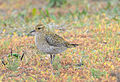
The European Golden Plover has a distinct appearance!
In many cultures, the European Golden Plover symbolizes beauty and freedom!
These clever birds are omnivores!
European Golden Plovers are mostly found in northern Europe, particularly in countries like the UK, Ireland, and Scandinavia!
European Golden Plovers usually breed in May and June.
The European Golden Plover belongs to the family Charadriidae, which includes shorebirds like other plovers and sandpipers.
Photos of European Golden Plover

An audio speaker emitting sound waves, in the Gnome style

European Golden Plover — photo 2
European Golden Plover — photo 3

European Golden Plover — photo 4
European Golden Plover — photo 5

European Golden Plover — photo 6

European Golden Plover — photo 7
💃 Interesting Facts
Did you know that European Golden Plovers are amazing performers during courtship? The male does a special dance to impress the female, showing off its beautiful feathers! 💃They can also fly up to 60 km/h (about 37 mph) when they're in a hurry! 🕊️ Another fun fact is that they have a loud, characteristic call that sounds like “wet wet”! Can you imagine hearing that while you’re playing outside? Their unique features and behaviors make them a truly fascinating bird to learn about! 🌟
Go deeper🌍 Migration Patterns
European Golden Plovers are expert migrators! 🌍They migrate to warmer places for the winter, often traveling super long distances! They can cover thousands of kilometers, flying as far as southern Europe and parts of North Africa. During migration, they follow the same routes every year, helping them find safe places to rest and feed. 🛩️ This amazing journey helps them escape harsh winter conditions and ensures they can find food to survive!
Go deeper🛡️ Conservation Status
The European Golden Plover is currently listed as a species of "Least Concern" by the International Union for Conservation of Nature (IUCN). 🛡️ This means that, at the moment, they are not at serious risk of extinction. However, they face threats from habitat loss and changes in agriculture. 🌾It's important for us to take care of their environment and help protect these beautiful birds to ensure they continue to thrive for future generations!
Go deeper🕊️ Behavior And Ecology
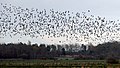
European Golden Plovers are very sociable birds! 🕊️ They often gather in groups called "flocks." These flocks help keep them safe from predators. When they sense danger, they call out to warn each other. They are also known for their impressive aerial acrobatics, flying high and low with ease! 🕊️ The male sings a beautiful melody during the breeding season to attract a mate. Their social behavior helps them thrive in nature!
Go deeper🐦 Physical Description
The European Golden Plover has a distinct appearance! It features a mix of golden and black feathers on its back, which helps it camouflage in its grassy habitat. 🐦Its belly is white, offering a bright contrast against the dark colors. During the breeding season, the male's plumage is even more vibrant! They have short legs and a small beak perfect for digging into the ground to find food. 🏞️ With their graceful body shape and charming looks, they are a true delight to watch!
Go deeper🎨 Cultural Significance
In many cultures, the European Golden Plover symbolizes beauty and freedom! 🎨People have admired this bird in art, stories, and poetry throughout history. Some cultures even consider them a sign of good luck! 🍀Their beautiful colors and elegant movement make them a favorite among birdwatchers. Watching these plovers in the wild helps raise awareness about nature and the importance of conservation, teaching us to appreciate the world around us!
Go deeper🥙 Diet And Feeding Habits
These clever birds are omnivores! 🥙They enjoy a diverse diet that includes insects, worms, and seeds. They mainly feed on the ground, using their sharp eyesight to spot tasty treats hidden in the grass. 🐛Sometimes they even dig in the soil with their beaks! During the summer months, their diet consists of lots of insects, which helps them gain energy for breeding. As the seasons change, they adapt and find different food sources to survive!
Go deeper🌲 Habitat And Distribution
European Golden Plovers are mostly found in northern Europe, particularly in countries like the UK, Ireland, and Scandinavia! 🌲❄️ In the summer, they prefer open grasslands, wetlands, and tundra, where they can find plenty of food. 🥚During the winter months, these birds migrate to southern parts of Europe and even North Africa to escape the cold. They tend to stay near agricultural fields and coastal areas, making it easier for them to hunt for food.
Go deeper🏰 Breeding And Reproduction
European Golden Plovers usually breed in May and June. They create nests in the ground, often using grass and moss to line them. 🏰A female typically lays 4 eggs, and both parents take turns caring for them. The eggs take about 23 days to hatch! Once the chicks are born, they are covered in downy feathers and can walk almost immediately. 🐣They learn to find food with their parents, growing stronger and more independent each day until they are ready to fly.
Go deeper🦩 Taxonomy And Classification
The European Golden Plover belongs to the family Charadriidae, which includes shorebirds like other plovers and sandpipers. Its scientific name is Pluvialis apricaria. This bird is divided into two subspecies: the European Golden Plover (P. a. apricaria) and the American Golden Plover (P. a. dominica). 🦩These birds are closely related but live in different regions! While the European Golden Plover loves its habitat in Europe, the American cousin is primarily found in North America. Isn’t it cool to know how nature keeps things organized? 🌳
Go deeper