Eurasian Lynx Facts For Kids
The Eurasian lynx is a beautiful wild cat, the largest in its genus, found across Europe and Asia, known for its tufted ears and incredible hunting skills.
Select reading age
Eurasian Lynx Facts For Kids
Videos & Quizzesincluded
About this topic
The Eurasian lynx is a fascinating wild cat 🐾! It’s one of the four species of lynx and lives in Europe and Asia. These lynx are medium-sized, making them a bit bigger than house cats but smaller than big cats like lions! They have long legs and tufted ears with a ruff of fur around their faces. Eurasian lynxes are really good at blending in with their surroundings, making it easier for them to hunt. You can find them in forests, mountains, and even snowy areas! They’re excellent climbers and great at jumping high distances! 🌲🏔️
Explore with ChatDinoKey Points
Did you know that the Eurasian lynx can run up to 30 miles per hour (48 km/h) when it’s chasing prey?
Eurasian lynxes and humans don’t always meet, but when they do, it can be interesting!
The Eurasian lynx is listed as "Least Concern" by the International Union for Conservation of Nature (IUCN).
The Eurasian lynx has played an important role in various cultures!
Even though they are currently "Least Concern," Eurasian lynxes face some threats!
Eurasian lynxes love the forests of Europe and Asia.
Eurasian lynxes are known for their exotic beauty!
Eurasian lynxes are carnivores, which means they mostly eat meat!
Eurasian lynxes have a special time called the breeding season, which usually happens in late winter!
Eurasian lynxes are mostly solitary animals, meaning they like to be alone!
Photos of Eurasian Lynx

Eurasian Lynx — photo 1

Eurasian Lynx — photo 2

Eurasian Lynx — photo 3

Eurasian Lynx — photo 4

Eurasian Lynx — photo 5

Eurasian Lynx — photo 6

Eurasian Lynx — photo 7

Eurasian Lynx — photo 8

🚀 Fun Facts
Did you know that the Eurasian lynx can run up to 30 miles per hour (48 km/h) when it’s chasing prey? 🚀They can also leap over 6 feet (1.8 meters) high—impressive, right? Their large paws not only help them walk on snow but also make them great climbers! 🐾They have excellent hearing and can even rotate their ears independently like satellite dishes! 🎧If you spot one in the wild, consider yourself lucky! It's a reminder of the amazing wildlife that shares our planet, and we must keep it safe! 🌍❤️
Go deeper🏞️ Human Interaction
Eurasian lynxes and humans don’t always meet, but when they do, it can be interesting! 🏞️ In some areas, people enjoy watching lynxes in the wild, making them a part of eco-tourism. There’s also a lot of art and stories featuring these majestic cats! However, hunting unfortunately still occurs, as some people mistakenly believe they harm livestock. Education and awareness can help change these views and protect the lynx's natural role in the ecosystem! Many countries are now working to create wildlife corridors to keep them safe while roaming their territories! 🐾🙌
Go deeper🌍 Conservation Status
The Eurasian lynx is listed as "Least Concern" by the International Union for Conservation of Nature (IUCN). 🌍This means they are not currently in danger of extinction. However, certain populations are threatened and need protection. Conservation efforts are important to ensure they continue to thrive in their natural habitat. Various countries have wildlife parks and reserves that help protect lynxes, so they can roam freely and remain a vital part of the ecosystem. It's essential to understand and respect these magnificent cats! 🌱🌳
Go deeper🌟 Cultural Significance
The Eurasian lynx has played an important role in various cultures! 🌟In many ancient myths and stories, lynxes symbolize intuition and secrets. They are respected animals in folklore in places like Finland, where they are seen as wise and mysterious. Artists and writers have often depicted these beautiful cats in traditional artworks. The lynx's distinct appearance and behaviors make it a favorite subject, highlighting its importance in nature. They help remind us of the wild and the importance of protecting our planet’s extraordinary creatures! 🎨📚
Go deeper🐾 Threats And Challenges
Even though they are currently "Least Concern," Eurasian lynxes face some threats! 🐾Habitat loss is a big issue. As forests are cut down for farms or cities, lynxes lose their homes. They also face threats from hunting for their beautiful fur, which is illegal in many places but still happens. Car accidents can also harm them when they cross roads. Climate change affects their habitats and food availability. It’s important for everyone to help protect their homes, so these stunning cats can continue to thrive! 🚗🌲
Go deeper🌍 Habitat And Distribution
Eurasian lynxes love the forests of Europe and Asia. 🌍They can be found in countries like Russia, Finland, Sweden, and parts of Germany. They prefer places with lots of trees where they can hide and stalk their prey! These cats also enjoy rocky areas and mountainous regions, which give them a better lookout for spotting food. In Europe, they might be spotted in the Alps and Carpathians. The lynx is very adaptable and can survive in different types of forests, whether it’s boreal, temperate, or mixed ones! 🌲🏔️
Go deeper🐱 Physical Characteristics
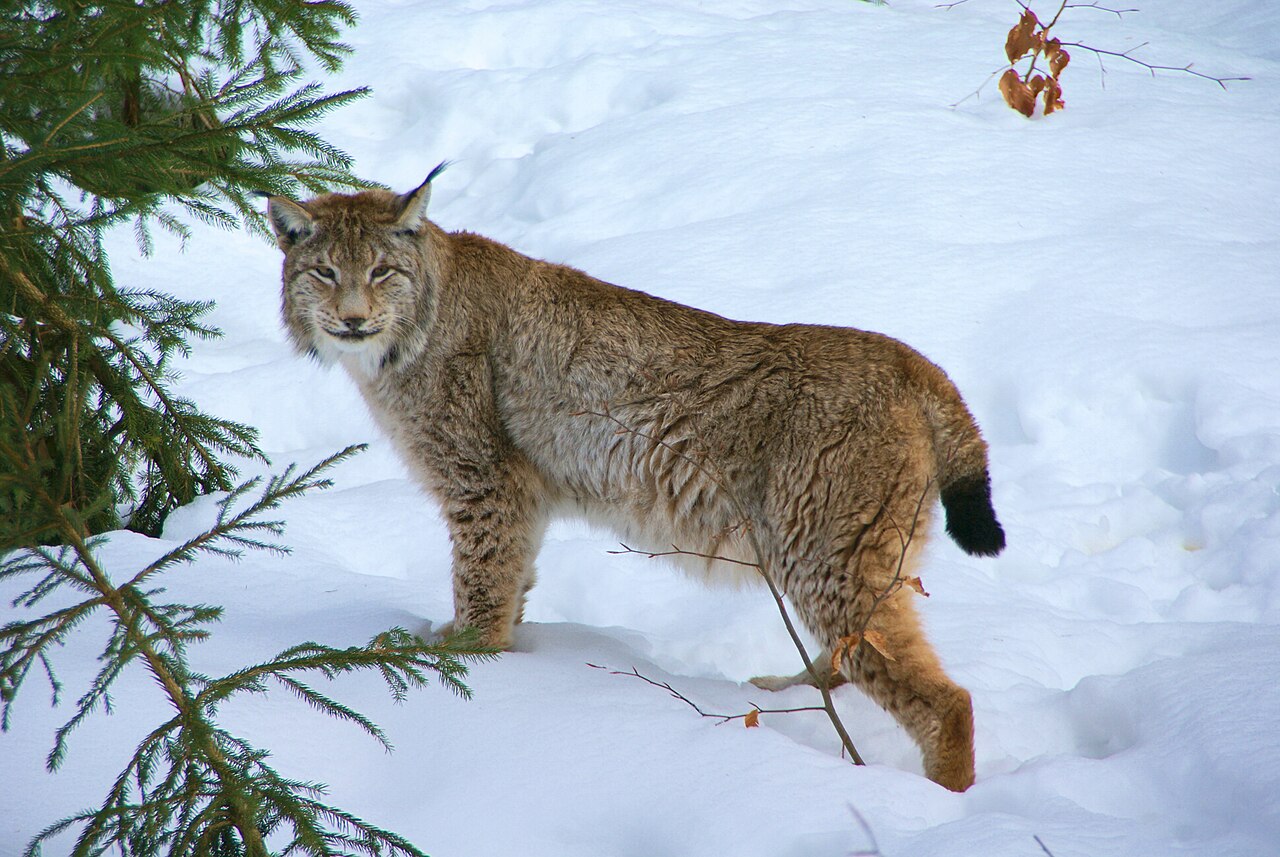
Eurasian lynxes are known for their exotic beauty! They can weigh between 18 to 30 pounds (8 to 14 kg) and can be about 28 to 42 inches long (70 to 105 cm). 🐱Their fur is usually a mix of golden-brown with darker spots, which helps them camouflage in the wild. They have large paws, which act like snowshoes, allowing them to walk on soft snow without sinking. Their distinctive tufted ears can be up to 1 inch long (2.5 cm) and help them hear high-frequency sounds very well! With their striking, bright green or yellow eyes, they're always ready to hunt! 👀✨
Go deeper🍖 Diet And Hunting Behavior
Eurasian lynxes are carnivores, which means they mostly eat meat! 🍖Their favorite meals include deer, rabbits, and hares. They are solitary hunters; this means they hunt alone instead of with friends. They can leap up to 10 feet (3 meters) to catch their prey! Lynxes have excellent night vision, so they prefer to hunt during the evening or early morning when it’s dark. They use their sharp claws to capture their food and then enjoy their meal alone. Eating enough food helps them stay strong and healthy in the wild! 💪
Go deeper🐾 Reproduction And Lifespan
Eurasian lynxes have a special time called the breeding season, which usually happens in late winter! 🐾The female lynx gives birth to a litter of 1-4 kittens after about 70-80 days of pregnancy. The little kittens are born blind and rely on their mother for care. They start to see after a few weeks and begin learning to hunt around 6 months old. In the wild, they can live for about 7-10 years, but in captivity, they might live up to 20 years! Keeping them safe is important for their furry little families! 🐾❤️
Go deeper🦙 Social Structure And Behavior
Eurasian lynxes are mostly solitary animals, meaning they like to be alone! 🦙They mark their territory with scent to let other lynxes know it’s theirs. They are very shy and avoid people, preferring to stay hidden in forests. Though they may not hang out in groups, they can sometimes play with siblings when they are young. Lynx communicate with each other using a variety of sounds like growls, hisses, and even yowls! This helps them express how they feel and can keep them safe when they’re out and about! 🎶
Go deeper