Ersa Facts For Kids
Ersa is the Greek goddess of dew, embodying the essential moisture that nourishes the earth and its flora.
Select reading age
Ersa Facts For Kids
Videos & Quizzesincluded
About this topic
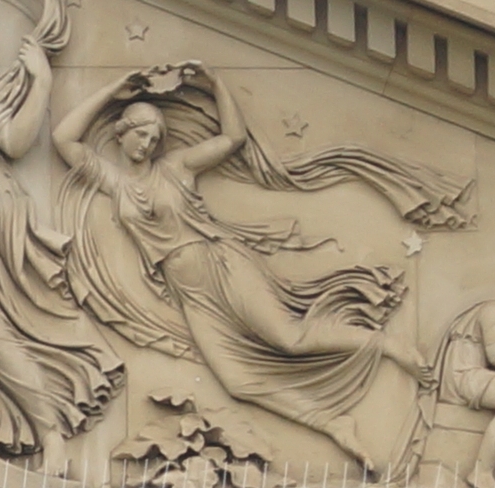
Ersa is the Greek goddess of dew 🌱. She is often connected with nature and is seen as a beautiful young woman. Ersa is sometimes believed to be the daughter of the god of night, Nyx 🌙, and the god of sleep, Hypnos 😴. In ancient times, people thought that she would sprinkle dew on flowers and plants each morning, making everything fresh and full of life! Ersa symbolizes new beginnings and the beauty of the natural world. Many Greeks worshipped her to ask for good weather and bountiful harvests. 🌼
Explore with ChatDinoKey Points
Ersa may be a lesser-known goddess, but her story teaches us invaluable lessons!
Ersa doesn't have many stories told about her like other Greek gods.
Worshiping Ersa allowed ancient Greeks to appreciate nature and its beauty 🌹.
Ersa's story helps us understand the importance of nature 🌍 in everyday life.
One challenge in Ersa’s story is that she isn't as well-known as other Greek gods like Zeus ⚡ or Athena 🛡️.
Ersa is usually depicted as a lovely young woman surrounded by flowers and plants 🌷.
As we move forward, everyone can honor Ersa by caring for nature 🌼.
While Ersa is a mythical figure, scientists study the importance of dew in nature.
🌺 Conclusion
Ersa may be a lesser-known goddess, but her story teaches us invaluable lessons! 🌺She symbolizes the beauty of dew and the importance of nature. Through her, we learn about growth, nurturing, and respect for the environment. Whether we admire the dew in our gardens or study its impact, Ersa remains an essential part of our understanding of nature 🌿. By caring for plants and the world around us, we carry on her legacy. So let's embrace nature together and be inspired by the gentle goddess of dew, Ersa! 🌈✨
Go deeper🌟 History Of Ersa
Ersa doesn't have many stories told about her like other Greek gods. She’s often mentioned in the works of the poet Hesiod 🌟, who lived around 700 BC. In his writings, he described family lineages of the gods. Ersa is sometimes linked to other natural forces, including the goddess of agriculture, Demeter 🌾. Ancient Greeks celebrated her with prayers and offerings, hoping she would bless their crops with the morning dew needed for growth. Different regions of Greece, like Athens and Olympia, paid respect to her in various festivals, recognizing her importance in daily life. 🌞
Go deeper🌹 Benefits Of Ersa
Worshiping Ersa allowed ancient Greeks to appreciate nature and its beauty 🌹. With her blessings, people hoped for a good harvest, strong plants, and healthy livestock 🐄. Dew is essential for plant growth, especially in dry months. Ersa’s story encourages us to recognize the importance of water and how it supports life. With Ersa, we learn valuable lessons about the environment, helping us understand the balance required to keep nature healthy 🌳. Additionally, her character inspires creativity and respect for the world around us, making it vital to teach kids about nature today! 👦🌿
Go deeper🌍 Applications Of Ersa
Ersa's story helps us understand the importance of nature 🌍 in everyday life. Farmers in ancient Greece would pray to her, asking for the right amount of dew and rain to grow their crops. People believed that the dew was a sign that the earth was alive and nourishing. Today, we still see dew each morning, reminding us of nature's magic! 🪄Ersa also represents the connection between nature and humans. It teaches us to care for plants and respect the earth, something that everyone can practice through gardening or conservation. 🌻
Go deeper⚡ Challenges And Limitations
One challenge in Ersa’s story is that she isn't as well-known as other Greek gods like Zeus ⚡ or Athena 🛡️. This can make it difficult for children to learn about her. Also, her role is small compared to other gods, which means fewer stories and myths exist. Sometimes, it can be hard to understand what she represents. Yet, this darkness makes her special in her own way. It shows that every part of nature, even dew, is important. We can learn that every story matters, even the quiet ones. 🌙
Go deeper🌷 Key Features And Characteristics
Ersa is usually depicted as a lovely young woman surrounded by flowers and plants 🌷. People imagined her wearing a flowing gown, adorned with greenery 🌿. Many believed she had a soft, calming presence. In art, she is often shown with small, sparkling droplets of dew on her fingertips, ready to sprinkle life onto the earth. Ersa embodies grace and beauty, symbolizing the freshness of morning and the joy of springtime. This idea made her an important figure in nature myths and a symbol of hope ✨ for people who relied on farming.
Go deeper🌼 Future Prospects And Developments
As we move forward, everyone can honor Ersa by caring for nature 🌼. Protecting our environment and planting gardens helps to continue her legacy. Scientists are actively working on climate change solutions and promoting conservation to create a sustainable future. Kids can learn about ecosystems and the role of water in growing plants 🌳. By understanding the importance of saving water and preserving nature, young people will be prepared to be environmental heroes for Ersa and our planet! So remember, every drop counts! 💧🙌
Go deeper🌾 Scientific Research And Studies On Ersa
While Ersa is a mythical figure, scientists study the importance of dew in nature. Dew forms when warm air cools at night, and tiny water droplets gather on plants 🌾. Studies show that dew can supply enough water for some plants and animals, especially in dry areas. 🌵Researchers are exploring how dew benefits ecosystems, helping to understand climate effects. Just like Ersa, who nurtures the earth, scientists also work to protect nature. Learning about real-life dew can give us insights into how we can help our environment. 🌍✨
Go deeper