Epilogue Facts For Kids
An epilogue is a section at the end of a story that provides closure and resolution for the characters and plot.
Select reading age
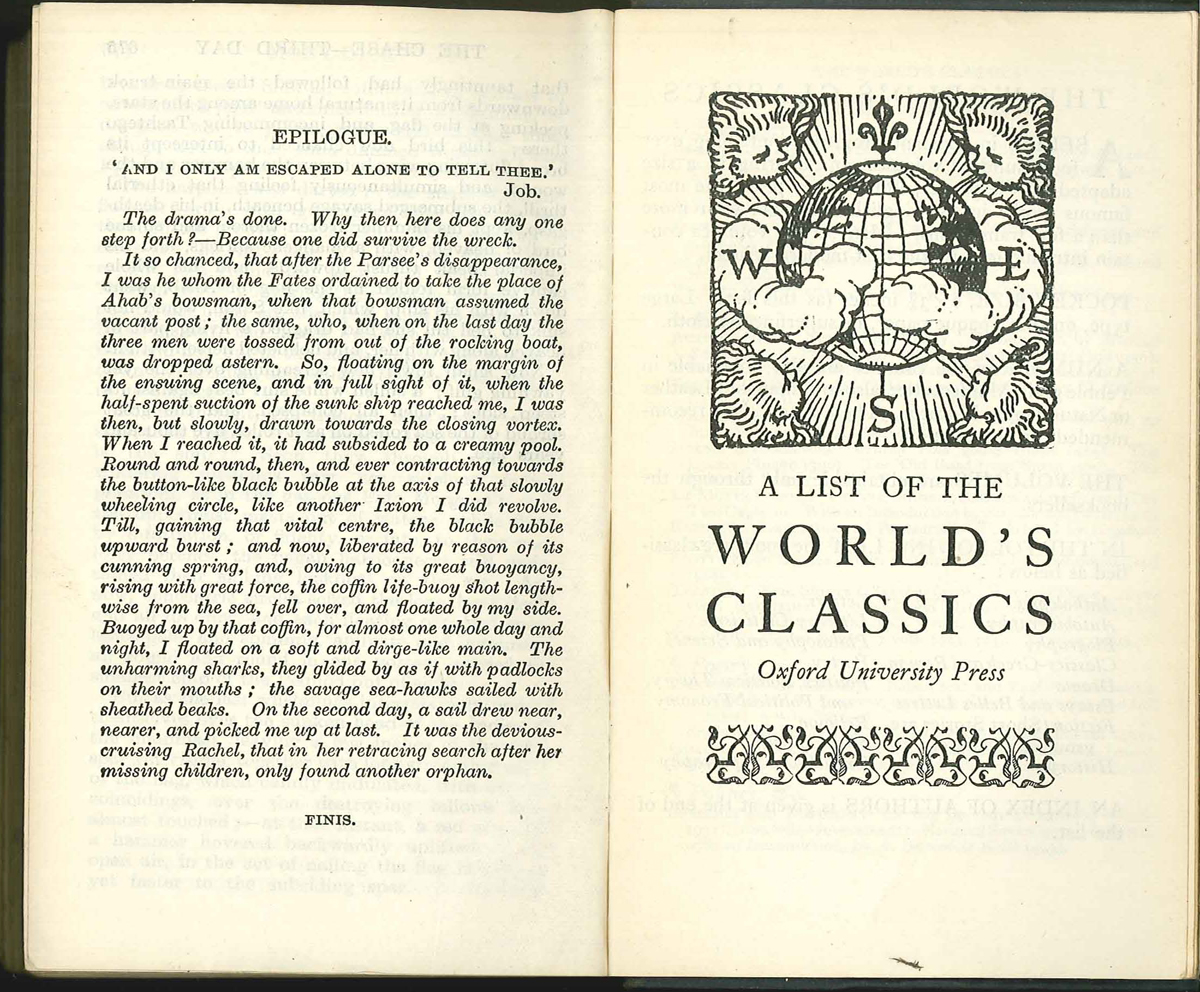
Epilogue Facts For Kids
Videos & Quizzesincluded
About this topic
An epilogue is a special part of a story that comes at the end. 🎉It helps readers understand what happens after the main story wraps up. Think of it like a little bonus! Authors often use epilogues to tie up loose ends or show what characters are doing in the future. 📚For example, in a fairy tale, an epilogue might say the prince and princess lived happily ever after. This helps us feel satisfied and makes the story complete, like a puzzle with all its pieces!
Explore with ChatDinoKey Points
Epilogues and prologues are both important parts of a story, but they go in different places!
An epilogue is a short section that comes after the main story.
Epilogues often have a few common features.
Epilogues can be found in many genres of literature!
Some books have super famous epilogues!
Different cultures have their own ways of using epilogues!
Writing a good epilogue can be really fun!
The purpose of an epilogue is to give readers closure.
Epilogues can have a huge impact on storytelling!
Epilogues are not just in books; they can also be found in movies and TV shows!
Photos of Epilogue

Illustration from Un Autre Monde epilogue, by Grandville
🌈 Epilogues Vs. Prologues
Epilogues and prologues are both important parts of a story, but they go in different places! 🌈A prologue comes at the beginning and sets up the story, helping readers understand the background. It’s like the opening scene of a movie! 🎥For example, in "A Wrinkle in Time" by Madeleine L’Engle, you learn about the characters before the adventure starts. On the other hand, an epilogue appears at the end and shows what happens after the story ends, like the credits at the end of that movie. 🎬Both are important for storytelling!
Go deeper📖 Definition Of An Epilogue
An epilogue is a short section that comes after the main story. 📖It’s like a final chapter or a happy ending! The word "epilogue" comes from Greek, meaning "to speak upon." 🗣️ It usually summarizes important events that happen after the main plot. For example, if a hero saves the day, an epilogue might reveal how their life changes afterward. Maybe they became a teacher or traveled the world! 🌍Every story doesn’t always have an epilogue, but when it does, it’s a fun way to see what happens next!
Go deeper✍️ Common Features Of Epilogues
Epilogues often have a few common features. First, they are usually short, often just a few paragraphs. ✍️ They should feel like a wrap-up but might also include new surprises! Many epilogues share updates about what the characters are doing now or how their world has changed. 🌟Sometimes, they use a different time frame, skipping ahead several years. Readers might see what happens when characters grow older. 😄Lastly, epilogues can include an emotional touch, making us feel connected to the story longer.
Go deeper📚 Epilogues In Different Genres
Epilogues can be found in many genres of literature! 📚In fantasy, epilogues might show how magical worlds change, like after a hero defeats a dark wizard. 🧝♀️ For romance stories, they often reveal if the couple stays together or has new adventures. 💖In mysteries, they can explain what happened to the villain or give final clues to the readers. 🕵️♀️ In historical fiction, an epilogue might share real-life events that happened after the story or show how the characters impacted history. 🌍
Go deeper🌆 Famous Epilogues In Literature
Some books have super famous epilogues! One such book is "The Great Gatsby" by F. Scott Fitzgerald, where he wraps up the characters' fates after the main events. 🌆In "The Lord of the Rings" by J.R.R. Tolkien, the epilogue shows how life changes in Middle-earth after the big battle. 🧙♂️ Also, "The Book Thief" by Markus Zusak has a touching epilogue that gives us a peek into the future of its characters. 📜These epilogues help readers feel complete and think about what the story means even after they finish reading!
Go deeper🌏 Cultural Variations Of Epilogues
Different cultures have their own ways of using epilogues! 🌏In Western literature, an epilogue is usually a summary of what happens after the story. However, in some Asian cultures, like Japan, an epilogue can sometimes include deeper philosophical lessons or reflections on the characters’ decisions. 💭In oral traditions, storytellers might have a discussion at the end, wrapping up the story with commentary. ✨No matter where you look, epilogues help connect the dots and keep stories meaningful and relatable across cultures!
Go deeper✨ How To Write An Effective Epilogue
Writing a good epilogue can be really fun! ✨First, think about what characters might do next. Ask yourself questions like, “Did they learn something?” or “How have they changed since the beginning?” 🧐 Next, decide how much time will pass in the epilogue. It could be days, years, or even decades! Then, keep your writing concise so readers know it’s the ending. 🏁Lastly, make sure to wrap up any loose ends, giving readers a nice closure. If you follow these tips, your epilogue will be a great finish to your story!
Go deeper🏁 Purpose Of An Epilogue In Literature
The purpose of an epilogue is to give readers closure. 🏁It answers questions like, "What happens to the characters after their adventure?" For example, in "Harry Potter and the Deathly Hallows," J.K. Rowling writes about Harry and his friends’ lives as adults. 👩🎓👨🎓 An epilogue can also remind us of a story's main message or lesson. 📅It's a way for authors to connect the end of the story with the beginning. Readers can feel happy, sad, or even surprised! It’s like adding the final brushstrokes to a painting.
Go deeper🚀 Analysis Of Epilogue Impact On Storytelling
Epilogues can have a huge impact on storytelling! 🚀They help to close the door on a story while leaving a window open for new thoughts. An effective epilogue can make readers feel happy, sad, or thoughtful. 🎭It can highlight important lessons the characters learned or remind readers of the challenges faced. Often, a well-written epilogue can even make readers reflect on their own lives! 🧠This connection to the story creates lasting emotions and thoughts that readers carry with them long after the last page is turned.
Go deeper🎬 Examples Of Epilogues In Film And Television
Epilogues are not just in books; they can also be found in movies and TV shows! 🎬In "The Lord of the Rings" films, there’s a touching epilogue that shows the main characters after their long journey. 🧙♂️ In the animated movie "Finding Nemo," the epilogue shows how Nemo and his dad’s lives change after their adventure! 🐠In the series "Friends," an epilogue gives viewers a glimpse into the future of the characters and how their lives have evolved. 👫These epilogues help fans see their favorite characters in new ways, making the stories even more memorable!
Go deeper