All Articles

Environmental Science

Environmental Science Facts For Kids

Environmental Science is an academic field that combines different subjects to understand the environment and solve environmental problems.

๐ŸŽจ Reading age for 6-8
Background blob
Environmental Science
Facts for Kids!

Do more with AI

Introduction

Environmental science is like being a superhero for our planet! ๐ŸŒIt combines many subjects, like physics (which studies how things move), biology (which studies living things), and geography (which studies where things are). Scientists in this field work together to learn about our environment. They look at everything from the air we breathe to the water we drink. By understanding these things, they help solve problems like pollution and climate change. Together, they protect our Earth and keep it healthy for plants, animals, and people. Isnโ€™t that amazing? ๐ŸŒฑ๐Ÿพ

Images of Environmental Science

The Earth's atmosphere

The Earth's atmosphere

Rachel Carson published her groundbreaking monograph, Silent Spring, in 1962, bringing the study of environmental science to the forefront of society.
Rachel Carson published her groundbreaking monograph, Silent Spring, in 1962, bringing the study of environmental science to the forefront of society.

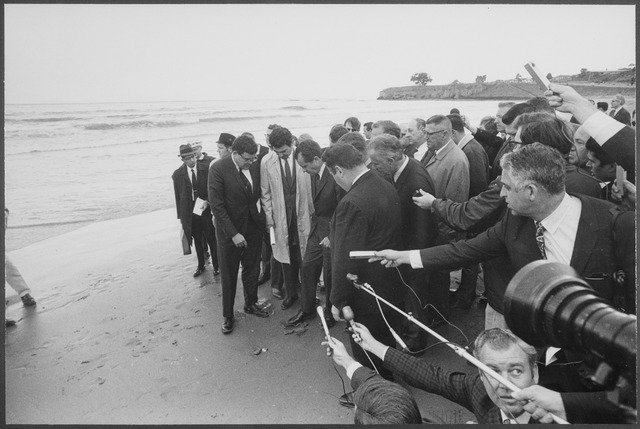
Former President Richard Nixon visits the site of the 1969 Santa Barbara oil spill, which received intense media coverage and inspired a multitude of environmental legislation.

Former President Richard Nixon visits the site of the 1969 Santa Barbara oil spill, which received intense media coverage and inspired a multitude of environmental legislation.

A team of British researchers found a hole in the ozone layer forming over Antarctica, the discovery of which would later influence the Montreal Protocol in 1987.

A team of British researchers found a hole in the ozone layer forming over Antarctica, the discovery of which would later influence the Montreal Protocol in 1987.

The Paris Agreement (formerly the Kyoto Protocol) is adopted in 2016. Nearly every country in the United Nations has signed the treaty, which aims to reduce greenhouse gas emissions.Image by UNclimatechange from Bonn, Germany, licensed under Creative Commons Attribution 2.0

The Paris Agreement (formerly the Kyoto Protocol) is adopted in 2016. Nearly every country in the United Nations has signed the treaty, which aims to reduce greenhouse gas emissions.

A false color composite of the greater Boston area, created using remote sensing technology, reveals otherwise not visible characteristics about the land cover and the health of the surrounding ecosystems.Image by Kelly Schisa, licensed under Creative Commons Attribution-Share Alike 4.0

A false color composite of the greater Boston area, created using remote sensing technology, reveals otherwise not visible characteristics about the land cover and the health of the surrounding ecosystems.

Blue Marble composite images generated by NASA in 2001 (left) and 2002 (right)

Blue Marble composite images generated by NASA in 2001 (left) and 2002 (right)

Biodiversity of a coral reef. Corals adapt and modify their environment by forming calcium carbonate skeletons. This provides growing conditions for future generations and forms a habitat for many other species.Image by Richard Ling, licensed under Creative Commons Attribution-Share Alike 3.0

Biodiversity of a coral reef. Corals adapt and modify their environment by forming calcium carbonate skeletons. This provides growing conditions for future generations and forms a habitat for many other species.

Photos of Environmental ScienceImage by Raimond Spekking, licensed under Creative Commons Attribution-Share Alike 4.0
Photos of Environmental Science
Rachel Carson published her groundbreaking monograph, Silent Spring, in 1962, bringing the study of environmental science to the forefront of society.

Rachel Carson published her groundbreaking monograph, Silent Spring, in 1962, bringing the study of environmental science to the forefront of society.

Former President Richard Nixon visits the site of the 1969 Santa Barbara oil spill, which received intense media coverage and inspired a multitude of environmental legislation.

Former President Richard Nixon visits the site of the 1969 Santa Barbara oil spill, which received intense media coverage and inspired a multitude of environmental legislation.

A team of British researchers found a hole in the ozone layer forming over Antarctica, the discovery of which would later influence the Montreal Protocol in 1987.

A team of British researchers found a hole in the ozone layer forming over Antarctica, the discovery of which would later influence the Montreal Protocol in 1987.

The Paris Agreement (formerly the Kyoto Protocol) is adopted in 2016. Nearly every country in the United Nations has signed the treaty, which aims to reduce greenhouse gas emissions.Image by UNclimatechange from Bonn, Germany, licensed under Creative Commons Attribution 2.0

The Paris Agreement (formerly the Kyoto Protocol) is adopted in 2016. Nearly every country in the United Nations has signed the treaty, which aims to reduce greenhouse gas emissions.

A false color composite of the greater Boston area, created using remote sensing technology, reveals otherwise not visible characteristics about the land cover and the health of the surrounding ecosystems.Image by Kelly Schisa, licensed under Creative Commons Attribution-Share Alike 4.0

A false color composite of the greater Boston area, created using remote sensing technology, reveals otherwise not visible characteristics about the land cover and the health of the surrounding ecosystems.

Blue Marble composite images generated by NASA in 2001 (left) and 2002 (right)

Blue Marble composite images generated by NASA in 2001 (left) and 2002 (right)

The Earth's atmosphere

The Earth's atmosphere

Biodiversity of a coral reef. Corals adapt and modify their environment by forming calcium carbonate skeletons. This provides growing conditions for future generations and forms a habitat for many other species.Image by Richard Ling, licensed under Creative Commons Attribution-Share Alike 3.0

Biodiversity of a coral reef. Corals adapt and modify their environment by forming calcium carbonate skeletons. This provides growing conditions for future generations and forms a habitat for many other species.

Photos of Environmental ScienceImage by Raimond Spekking, licensed under Creative Commons Attribution-Share Alike 4.0

Human Impact On Ecosystems

Humans can have a big impact on ecosystems! ๐ŸŒWhen we cut down trees, it can harm the homes of animals and plants. ๐ŸŒณSometimes, factories create pollution, which makes the air and water dirty. This can lead to health problems for us and other creatures. ๐Ÿ However, humans can also make positive changes! For example, we can plant trees and clean up parks. ๐Ÿ™ŒItโ€™s important that we learn about our impact so we can take care of our planet better. If everyone does their part, we can create a healthier environment for all living things! ๐ŸŒผ๐Ÿฆ‹

Biodiversity And Conservation

Biodiversity is the variety of living things in the world! ๐ŸŒฟIt's vital for a healthy ecosystem. When there are many different types of plants and animals, they help keep everything balanced. ๐ŸŒผHowever, some species are endangered, meaning they might disappear forever! This can happen because of pollution, habitat loss, and climate change. ๐ŸฆˆThatโ€™s why conservation is important: it means protecting nature! Organizations like the World Wildlife Fund (WWF) work to save animals and their habitats. So, letโ€™s join in and help by supporting conservation efforts! Every small action counts! ๐Ÿฌ๐Ÿ’–

Climate Change And Its Effects

Climate change is a big problem that affects our planet! ๐ŸŒก๏ธ It means the Earthโ€™s temperature is getting warmer because of things humans do, like burning fossil fuels for energy. This can melt ice caps and cause sea levels to rise, which can flood cities! ๐Ÿ™๏ธ Animals are affected too; for example, polar bears are losing their homes because ice is melting. ๐ŸŒจ๏ธ Weather patterns are also changing, leading to more storms and droughts. Itโ€™s very important to learn about climate change so we can help slow it down by using less energy and protecting our environment! ๐ŸŒ๐Ÿ’ช

Pollution And Waste Management

Pollution is a serious issue for our environment! ๐ŸŒซ๏ธ It happens when harmful substances contaminate air, water, and land. For example, littering creates waste, which can hurt wildlife. ๐ŸƒTo combat this, we practice waste management. That means we organize how we use and get rid of waste! โ™ป๏ธ Recycling, composting, and reducing plastic use are great ways to help! โณMany cities even have clean-up days where communities come together to pick up trash. By learning about pollution and waste management, we can help keep our planet clean and beautiful! ๐ŸŒโœจ

Environmental Policy And Governance

Environmental policy is about making rules to protect the environment. ๐Ÿ“œGovernments create laws that help reduce pollution and protect wildlife. For example, the Clean Air Act in the USA helps keep our air clean! ๐ŸŒฌ๏ธ Agencies like the Environmental Protection Agency (EPA) work hard to enforce these rules. ๐ŸŒItโ€™s important for everyone to know about these policies so we can support them. We can also help by speaking up about environmental issues and voting for leaders who care about our planet. When we work together and follow the rules, we can create a cleaner, healthier world! ๐ŸŒผ๐Ÿ’ช

Sustainable Practices And Solutions

Sustainability means using resources in a way that keeps them available for the future! ๐ŸŒฑFor example, instead of cutting down all the trees, we can practice sustainable forestry, which allows trees to grow back! ๐ŸŒฒWe can also use renewable energy sources, like solar and wind power, instead of fossil fuels. This helps reduce pollution! ๐ŸŒž๐Ÿšดโ€โ™‚๏ธ You can help support sustainability too! Simple actions like riding a bike, recycling, and turning off lights when not in use can make a big difference. Letโ€™s all be eco-friendly superheroes! Every little bit counts! ๐ŸŒโœจ

Key Concepts In Environmental Science

There are some key concepts in environmental science! ๐ŸŒŸOne important idea is "ecosystems," which are communities of living things, like plants and animals, interacting with their environment. Another concept is "biodiversity," which means the variety of life on Earth. The more biodiversity there is, the healthier the ecosystem! ๐ŸŒฟThereโ€™s also "sustainability," which is about using resources wisely so they last a long time. ๐ŸŒ…Understanding these ideas helps us take care of our world. So, every time you plant a tree or recycle, you're practicing these concepts and helping the planet! ๐ŸŒณโ™ป๏ธ

The Importance Of Environmental Science

Why is environmental science important? ๐Ÿค”First, it helps us understand how nature works! By learning about ecosystems, we can appreciate the beauty of trees, rivers, and animals. Moreover, it also teaches us about the dangers of pollution and how it harms our environment. ๐ŸŒŠFor example, scientists help clean up oil spills that hurt marine life. It also guides us to make smarter choices, like recycling and conserving energy! By understanding these things, we can all be helpful friends to our planet, making sure it remains a safe and healthy place for future generations! ๐ŸŒผ๐Ÿ™Œ

Research Methods In Environmental Science

Researchers use different methods to study the environment! ๐Ÿ•ต๏ธโ€โ™‚๏ธ One way is to observe nature, like counting animals in a forest to see how healthy it is. ๐Ÿ“ŠThey can also conduct experiments, like testing how pollution affects plants. ๐ŸŒฑSometimes, scientists use models on computers to predict changes in the climate. ๐Ÿ“ˆItโ€™s important for them to gather data and share their findings, so everyone knows how to take care of our planet. By learning about these methods, you can also become a nature detective and help with research someday! ๐ŸŒ๐Ÿ”

Future Challenges In Environmental Science

The future holds many challenges for environmental science! ๐ŸŒOne of the biggest is climate change, which requires smart solutions to reduce greenhouse gases. ๐ŸฅตWe also need to protect biodiversity to help keep ecosystems healthy. If we don't act, many species might go extinct! ๐ŸŒฟPollution and waste management will continue to be important as cities grow and populations increase. But the best part? We can all help! ๐ŸŒŸBy learning, sharing what we know, and taking action, we can tackle these challenges together. Letโ€™s be the change our planet needs! ๐Ÿ™Œ๐Ÿ’–

Environmental Science Quiz

Q1
Question 1 of 10

Learn more about Environmental Science

Ready to create?

Make

To create a safe space for kid creators worldwide!

Create

Vibe Coding

Kids GPT

All Tools

Kibu

Resources

Worksheets

SafeTube

Blog

FAQ

Account

Pricing

Log-in

Sign-up

Data Deletion

Company

About

Community Guidelines

Privacy Policy

Terms of Service

2025, URSOR LIMITED. All rights reserved. DIY is in no way affiliated with Minecraftโ„ข, Mojang, Microsoft, Robloxโ„ข or YouTube. LEGOยฎ is a trademark of the LEGOยฎ Group which does not sponsor, endorse or authorize this website or event. Made with love in San Francisco.