Entablature Facts For Kids
An entablature is the decorative structure that lies horizontally above columns, typically made up of an architrave, frieze, and cornice.
Select reading age

Entablature Facts For Kids
Videos & Quizzesincluded
About this topic
An entablature is a special part of buildings that sits right above columns! 🏛️ Picture the tall, sturdy columns like strong trees holding up a big, flat roof made of moldings and bands. The entablature helps support the roof and makes it look beautiful! It includes cool designs and patterns. Many famous buildings, like the Parthenon in Greece, have entablatures. They come in different styles and help us tell a building's story. This article will dive deep into what entablatures are, their parts, history, and their role in architecture! Let's explore together! 📚✨
Explore with ChatDinoKey Points
There are three main types of entablatures!
An entablature is a horizontal structure that rests on columns in architecture.
An entablature has three main components, just like a delicious sandwich!
There are many famous examples of entablatures in iconic buildings around the world!
Entablatures often have special decorative elements that make them stand out!
Even today, entablatures are important in modern architecture!
The primary function of an entablature is to support the roof of a building!
In classical architecture, entablatures are very important!
Entablatures started way back in ancient Greece, around 600 BC!
Entablatures are often compared with other architectural elements like pediments and cornices.
Photos of Entablature

Entablature — photo 1
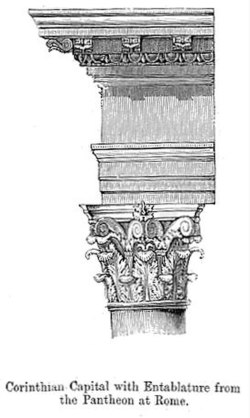
CorinthianOrderPantheon
🌈 Types Of Entablatures
There are three main types of entablatures! 🌈The Doric, Ionic, and Corinthian entablatures come from ancient Greece. The Doric style is the simplest with plain designs, while the Ionic has curly details on top. The Corinthian is the fanciest, with lots of elaborate leaves and flowers! 🌿🏛️ In addition to these, architects create modern entablatures with different materials and styles! Each type reflects the culture and era it belongs to. So, when you see a building, you can guess what kind of entablature it has just by looking! 🕵️♂️
Go deeper🌟 Definition Of Entablature
An entablature is a horizontal structure that rests on columns in architecture. 🌟It is made of three main sections: the architrave (the bottom part), the frieze (the middle part), and the cornice (the top part). The architrave is directly on the columns, and it supports the rest. The frieze often has carvings or decorations. Finally, the cornice sticks out a bit and is usually very fancy! 🎨Together, these parts create a simple, beautiful look that has been admired for centuries. It's a crucial part of many important buildings around the world!
Go deeper🍞 Components Of An Entablature
An entablature has three main components, just like a delicious sandwich! 🍞🥪 The first part is the architrave, which sits directly on the columns and is the base of the entablature. Next comes the frieze. This middle part is like the filling—sometimes it can be plain or filled with pretty decorations! Lastly, there’s the cornice, which is the top layer that sticks out, giving it a stylish look. Each section has its own style, making every entablature unique! Together, they create a beautiful pattern that brings buildings to life! 🎉
Go deeper🌍 Famous Examples Of Entablature
There are many famous examples of entablatures in iconic buildings around the world! 🌍For instance, the Parthenon in Greece features stunning Doric entablatures that support its magnificent roof. Another great example is the Lincoln Memorial in Washington D.C., which uses a modern interpretation of classical styles. The White House also has stylized entablatures along its columns, giving it a regal look! 🏛️ Lastly, the Pantheon in Rome showcases an impressive Corinthian entablature, highlighting its ancient beauty. Each of these buildings has its own unique story tied to its entablature! Can you think of other buildings with cool entablatures? 🤔
Go deeper🎨 Decorative Elements Of Entablature
Entablatures often have special decorative elements that make them stand out! 🎨Carvings, reliefs, and friezes are common in great buildings. The frieze might show pictures of important events or scenes from mythology. For example, the Temple of Apollo has images of gods and goddesses on its entablature! 🌟The cornice can also have patterns like scrolls or leaves. It's like jewelry for buildings, making them look stunning! These decorations tell stories and show us what was important to cultures long ago. Keep your eyes open—you'll find beautiful entablatures everywhere! 👀
Go deeper🏙️ Entablature In Modern Architecture
Even today, entablatures are important in modern architecture! 🏙️ While buildings have changed shape and materials, many architects still use this classic feature. Modern entablatures can be made from glass, metal, or concrete, giving them a fresh look! 😊They might be less decorative than ancient styles but still showcase creativity and skill. Some skyscrapers even use horizontal lines resembling entablatures to add style and structure. Just like ancient buildings, modern ones tell stories about who built them and the times they were made in! So, keep an eye out for modern entablatures next time you're in the city! 🏢
Go deeper🏠 Function And Purpose Of Entablature
The primary function of an entablature is to support the roof of a building! 🏠It keeps everything strong and stable, ensuring the structure stands tall for many years. Additionally, entablatures add visual beauty to buildings, making them more appealing. 🌈They help show a building’s style and time period, so by simply looking at the entablature, you can guess when it was built! Lastly, they often symbolize power or beauty in architecture, showing the importance of design to the people of the past. 🙂Isn’t it fascinating how a simple structure can do so much?
Go deeper🏛️ Entablature In Classical Architecture
In classical architecture, entablatures are very important! The Greeks and Romans used them to make their buildings grand and sturdy. 🏛️ For example, the Parthenon in Athens has beautiful entablatures that make it look majestic. The entablature helps support the roof while also giving the building its unique style. In classical designs, these parts were often decorated with scenes from myths or symbols of power. 🌟The entablature showed how much effort the builders put into their creations! Today, many modern buildings still use elements of classical entablature to inspire beauty and strength. 🏗️
Go deeper🏺 Historical Development Of Entablatures
Entablatures started way back in ancient Greece, around 600 BC! 🏺The Greeks wanted their buildings to look impressive, so they came up with this design to make columns more beautiful. They loved symmetry, so the entablature helped achieve that! Later, the Romans adopted this style, making it even fancier with their own unique twists and designs. Over time, the use of entablatures spread to many parts of the world, including Europe! 🌍Today, we see them in various buildings, showcasing different cultures and architectural styles throughout history. Isn't that amazing? 🎉
Go deeper🤔 Comparison With Related Architectural Elements
Entablatures are often compared with other architectural elements like pediments and cornices. 🤔A pediment is the triangular space above the entablature. It’s usually decorated and adds height! A cornice, as mentioned earlier, is part of the entablature. It sits on the top and hangs over the edge, providing a decorative finish. 🌟While entablatures span horizontally above columns, pediments and cornices add vertical detail! These elements together create a balanced and structured appearance in architecture, showcasing the beautiful harmony between strength and art! Next time you see a building, take a moment to notice these details! 🏢
Go deeper