Elizabeth I Of Russia Facts For Kids
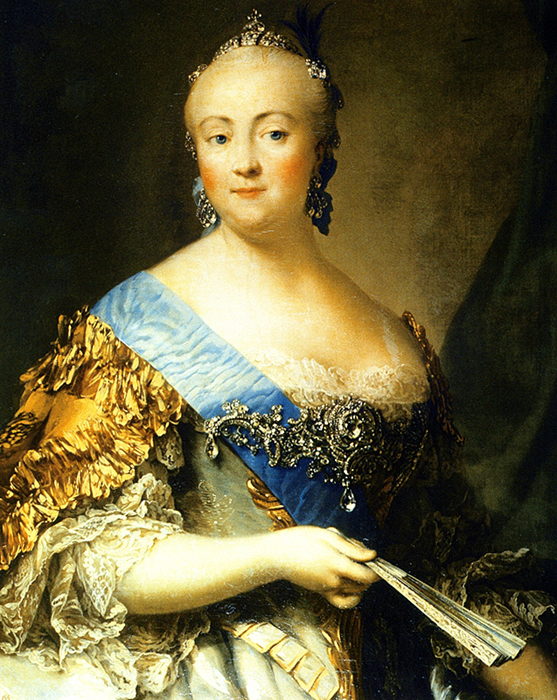
Elizabeth I of Russia, also known as Elizaveta Petrovna, was a significant empress who ruled from 1741 to 1762, known for her cultural contributions, military campaigns, and diplomatic efforts.
Select reading age
Elizabeth I Of Russia Facts For Kids
Videos & Quizzesincluded
About this topic
Elizabeth I of Russia, also known as Elizaveta Petrovna, was an important ruler who was Empress from 1741 to 1762! 🎉She was born on December 29, 1709, in St. Petersburg, which is a big city in Russia. Elizabeth was the daughter of Peter the Great, a famous tsar known for modernizing Russia. She helped change the country a lot during her time as empress. Fun fact: Elizabeth often wore beautiful gowns and loved parties! 🌟She was not just a leader; she was a significant part of Russia's history.
Explore with ChatDinoKey Points
Elizabeth never married, which was quite unusual for an empress!
Elizabeth became Empress of Russia in 1741 after a big and interesting event!
Even after Elizabeth's passing, her impact on Russia remains strong!
Elizabeth had a strong military, but she preferred peace over war.
During her reign, Elizabeth made many important changes!
Elizabeth I sadly passed away on January 5, 1762, after ruling for over 20 years.
Elizabeth knew that friends were important for a country!
Elizabeth I was a great lover of the arts!
Elizabeth was born to Emperor Peter I and Catherine I.
Elizabeth faced challenges as a ruler, such as dealing with rivalries and jealous nobles at her court.
Photos of Elizabeth I Of Russia

Princesses Anna and Elizabeth, painted by Louis Caravaque in 1717.

Young Elizabeth in the 1720s, painted by Ivan Nikitich Nikitin.

Elizabeth probably secretly married Alexei Razumovsky, a Ukrainian-born chorister

Peter II and Princess Elizabeth Petrovna Riding to Hound by Valentin Serov

The Preobrazhensky Regiment soldiers proclaim Elizabeth as Empress of Russia.

Coronation procession of Empress Elizabeth, Moscow 1742

Elizabeth I Of Russia — photo 7

Elizabeth I Of Russia — photo 8

Elizabeth I Of Russia — photo 9
💔 Personal Life
Elizabeth never married, which was quite unusual for an empress! 💔Instead, she enjoyed her independence and focused on her duties. She loved animals, especially her beloved pet lapdogs! 🐶They were often seen at court, making life cheerful. Elizabeth also loved to travel within Russia and meet her people, connecting with them closely. She was known for her friendly nature, making everyone feel special and included! 🌞
Go deeper🎭 Rise To Power
Elizabeth became Empress of Russia in 1741 after a big and interesting event! 🎭At that time, there was a big struggle for power. With the help of her loyal supporters called the guards, Elizabeth took over and became the leader. Her cousin, Anna, was the previous empress, but Elizabeth was determined to make things better for Russia. Her rule was marked by strong leadership, and people loved her because she listened to them! 🤗
Go deeper🙌 Legacy And Impact
Even after Elizabeth's passing, her impact on Russia remains strong! 🙌She helped form a foundation for a modern Russia, leading to great changes in politics and culture. Many remember her as a generous and kind ruler who cared for her people. Russia continues to honor her contributions, with monuments and artworks in her name. Elizabeth's spirit inspires many young leaders today! 🌟
Go deeper⚔️ Military Campaigns
Elizabeth had a strong military, but she preferred peace over war. ⚔️ One major conflict during her reign was the Seven Years' War (1756-1763). This war involved many countries, including Russia, and was about who controlled different lands. Elizabeth supported her armies well and helped achieve victories that made Russia stronger. Though war is tough, her leadership meant success for Russia's military during this challenging time! 🎖️
Go deeper🏰 Reign And Policies
During her reign, Elizabeth made many important changes! 🏰She focused on education and built schools, universities, and hospitals, making life better for people. She also loved science and art, and farmers got help to improve their lands. Elizabeth made sure that Russia became more powerful, wealthy, and modern with her smart policies! 💡She even encouraged trade with other countries to help Russia grow and become known worldwide! 🌍
Go deeper😢 Death And Succession
Elizabeth I sadly passed away on January 5, 1762, after ruling for over 20 years. 😢Her death marked the end of an era, and she was remembered for her kindness and strong leadership! After her, Peter III, her nephew, became the new ruler. Elizabeth’s legacy lived on, influencing how Russia grew in the following years. Many people mourned her loss, remembering what a wonderful empress she had been! 💔
Go deeper🤝 Diplomatic Relations
Elizabeth knew that friends were important for a country! 🤝She made strong alliances to help Russia grow. One famous alliance was with France. By teaming up, both countries worked together to face challenges in the world. Elizabeth sent diplomats to meet with leaders from other countries to discuss peace and cooperation. This helped create a better international relationship, making Russia look strong and respected! 🌐
Go deeper🎨 Cultural Contributions
Elizabeth I was a great lover of the arts! 🎨She supported many artists, musicians, and writers! One of the famous places created during her time is the Winter Palace, a grand home filled with stunning art! 🏛️ She also hosted wonderful parties and balls where people danced and celebrated! Music became essential during her reign, with composers like Rameau and Bach being popular. Her love for culture greatly influenced Russia's identity and creativity! 🎶
Go deeper👑 Early Life And Education
Elizabeth was born to Emperor Peter I and Catherine I. 👑As a child, she grew up in the royal family and had a fun life in the palace. However, her mother passed away when she was just 2 years old, which made her sad. Elizabeth learned how to read, write, and speak several languages like French and German! 📚She enjoyed arts and music, and that passion would influence her later as an empress. Despite some tough times, Elizabeth was known for her charming personality and quick laughter. 🌈
Go deeper⚔️ Controversies And Challenges
Elizabeth faced challenges as a ruler, such as dealing with rivalries and jealous nobles at her court. ⚔️ Some people did not agree with her decisions, and there were attempts to remove her from power. However, Elizabeth used her political skills to stay strong and keep control. She also focused on making the lives of her subjects better, which helped her overcome these challenges. Her ability to navigate tough times made her a remarkable leader! 💪
Go deeper