Electric Catfish Facts For Kids
Electric catfish are unique freshwater fish known for their ability to generate significant electric charges for both hunting and defense.
Select reading age
Electric Catfish Facts For Kids
Videos & Quizzesincluded
About this topic
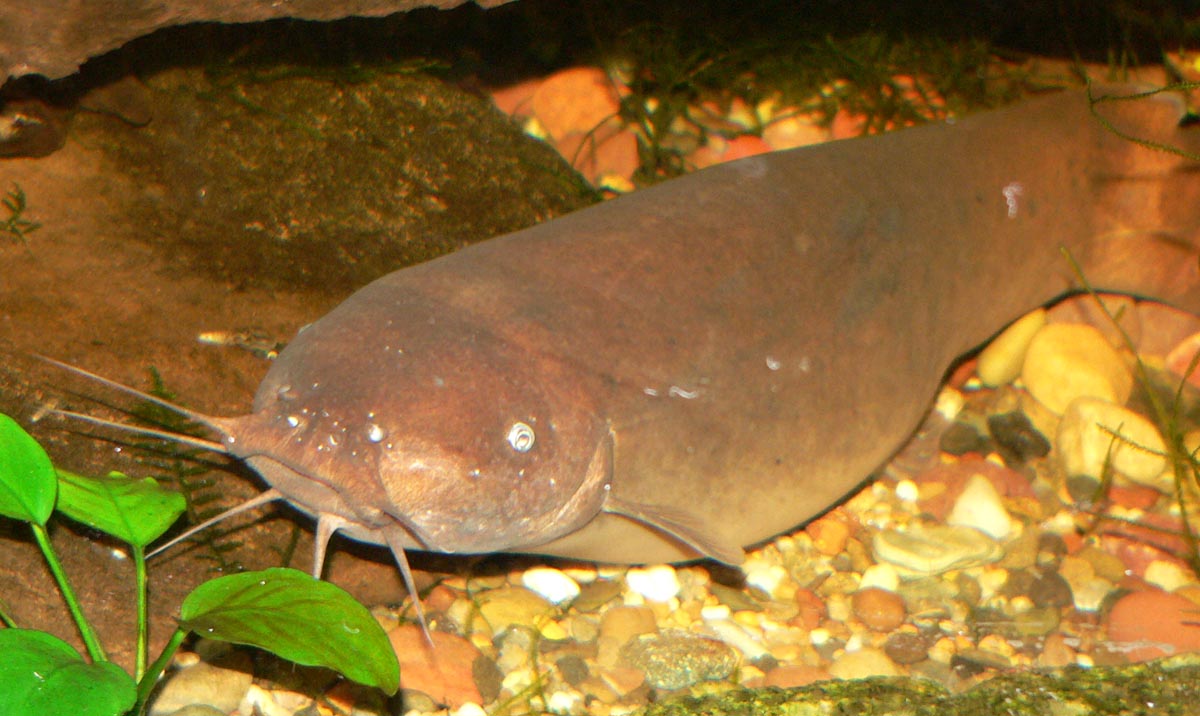
The electric catfish is an amazing fish found in Africa! 🐟It can generate electric shocks to protect itself and stun its prey. These fish can grow up to 3 feet (90 cm) long and are usually found in rivers, lakes, and swamps. They have a flat, large body and smooth skin, making them look unique. The electric catfish has a special organ that creates electricity. It is dark brown or grayish in color, allowing it to blend in with its surroundings in the water. Most electric catfish live in places like the Nile River and Lake Tanganyika. 🌍
Explore with ChatDinoKey Points
Electric catfish are carnivorous, which means they love to eat meat!
Here are some fun facts about the electric catfish!
Electric catfish have special cells called electrocytes, which are located in their electric organ.
The electric catfish is currently not considered endangered, thanks to its wide distribution across Africa.
In some African cultures, electric catfish is considered a delicacy.
Electric catfish primarily inhabit freshwater environments across Africa.
The electric catfish is famous for its ability to produce electricity!
Electric catfish reproduce mainly during the rainy season, when water levels are high.
Photos of Electric Catfish

Section of an electric catfish, showing the electric organ
![Electric catfish (centre) in Mastaba of Ti bas-relief, Saqqara, ancient Egypt[8]](https://upload.wikimedia.org/wikipedia/commons/thumb/f/fe/Electric_catfish_in_Mastaba_of_Ti_bas-relief_detail.jpg/330px-Electric_catfish_in_Mastaba_of_Ti_bas-relief_detail.jpg)
Electric catfish (centre) in Mastaba of Ti bas-relief, Saqqara, ancient Egypt[8]
🐠 Feeding And Diet
Electric catfish are carnivorous, which means they love to eat meat! 🐠Their diet mainly consists of other fish, but they will also munch on crustaceans and small invertebrates. With their excellent sense of touch from their barbels, they can find food even in dark or muddy waters. They often hunt at night (nocturnal), using their electric shock to stun their prey. This electricity helps them catch fish quickly, since it makes the prey unable to swim away! Electric catfish are powerful hunters that use their electric talents to find tasty meals. 🍽️
Go deeper🎉 Interesting Facts
Here are some fun facts about the electric catfish! 🎉Did you know that adult electric catfish can weigh up to 110 pounds (50 kg)? That’s almost as heavy as a large dog! They can also live up to 20 years in the wild. The electric shocks they produce can be used for a variety of purposes: hunting, defense, and even communication with other electric catfish! Some research suggests that their electric fields help them detect nearby objects and navigational cues in their environment. Isn’t it cool how nature has created such a remarkable fish? ⚡🐟
Go deeper⚡ Biology And Anatomy
Electric catfish have special cells called electrocytes, which are located in their electric organ. ⚡These cells work like batteries, allowing the fish to produce electricity! When the fish wants to shock something, it sends signals from its brain to these cells. The fish can create jolts that range from 20 to 450 volts. That’s stronger than a regular household battery! Their soft, smooth skin helps reduce resistance when moving in water, making them great swimmers. Electric catfish also have whisker-like appendages called barbels on their faces, which help them sense their environment and find food. 🐠
Go deeper🌿 Conservation Status
The electric catfish is currently not considered endangered, thanks to its wide distribution across Africa. 🌿However, its habitat can be threatened by pollution, climate change, and overfishing. As rivers and lakes become more polluted, the electric catfish can struggle to survive. Conservation efforts are being made to protect freshwater ecosystems and educate communities on sustainable fishing practices. By taking care of their environment, people can help ensure that electric catfish and other aquatic creatures continue to thrive in the wild for future generations! 🌊
Go deeper🎉 Cultural Significance
In some African cultures, electric catfish is considered a delicacy. 🎉People catch them using traditional fishing methods, and they are often cooked and enjoyed in local dishes. In ancient Egypt, the Nile River was a vital source of food, and electric catfish were just one of many species that contributed to the people’s diet. Additionally, the electric catfish has inspired stories and folklore due to its unique ability to generate electricity. Some cultures view it as a symbol of strength and protection. It’s interesting to see how this fish is important to people in various ways! 🌍
Go deeper🌊 Habitat And Distribution
Electric catfish primarily inhabit freshwater environments across Africa. 🌊They can be found in major rivers, such as the Nile, and large lakes like Lake Tanganyika. These places are ideal because electric catfish prefer warm waters full of mud and plants. They like shallow areas where they can easily hide from predators. The muddy bottom helps them camouflage, making it harder for other animals to spot them. Additionally, they are usually found alone or in small groups rather than large schools. Their specific habitat helps protect them while they hunt for food. 🌿
Go deeper⚡ Electric Defense Mechanism
The electric catfish is famous for its ability to produce electricity! ⚡When threatened, it can unleash a powerful electric shock, which can stun predators or intruders, allowing it to escape. These jolts can be so strong that they can even knock down a small fish! The shocks aren't only for defense; they can also be used to help catch prey. When a smaller fish comes close, the electric catfish can zap it, making it easier to catch. This unique skill helps the electric catfish both protect itself and find dinner in the murky waters it lives in! 🥇
Go deeper🌧️ Reproduction And Life Cycle
Electric catfish reproduce mainly during the rainy season, when water levels are high. 🌧️ They build nests in sandy or muddy areas, where the female lays around 200-300 eggs. The male then fertilizes the eggs and guards the nest to protect it from predators. The eggs usually hatch after 4-5 days. When born, the baby catfish (called fry) are very small and vulnerable. They rely on their parents for protection until they grow bigger. As the fry develop, they learn to use their electric shocks for hunting and defense. Soon, they will become independent electric catfish! 🐟
Go deeper