Efraasia Facts For Kids
Efraasia is a small, herbivorous dinosaur from the Late Jurassic that is part of the sauropodomorph family, known for its long neck and tail.

Do more with AI
Introduction
Efraasia was an amazing dinosaur that roamed the Earth during the Late Triassic period, about 215 million years ago! 🦖This dinosaur was discovered in what is now Germany. Efraasia belonged to a group of dinosaurs called "sauropodomorphs," known for their long necks and large bodies. Efraasia wasn’t a giant, reaching about 20 feet long! It lived in a warm, lush environment filled with plants 🌿, making it a unique creature of its time. Like all dinosaurs, it was a reptile, but it did not have the massive size of some of its relatives. Let’s explore more about this fascinating dinosaur!
Images of Efraasia

The Weiße Steinbruch site

Size comparison

Sacral vertebrae (e) compared to those of other basal sauropodomorphs

Life restoration
Conservation Status
Efraasia is unfortunately extinct, which means that it is no longer alive today! 🌌Like many dinosaurs, it went extinct likely due to changes in the environment and climate. Scientists study extinct species to understand more about evolution and how species survive. Knowing how Efraasia lived and what it ate teaches us important lessons about extinction. Today, there are plants and animals that need our protection, so they don’t follow in Efraasia’s footsteps! 🦋❤️
Anatomy And Morphology
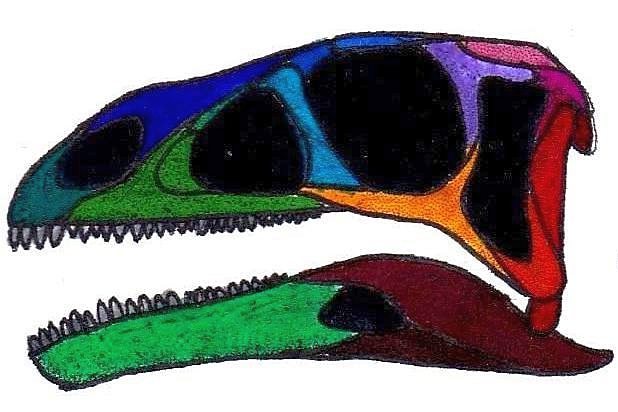
Efraasia was not a giant, but it had some interesting features! 💪It had a long neck and a small head compared to its body, making it different from larger sauropods. Its legs were long and strong, allowing it to walk and run on land. Efraasia had flat teeth, perfect for munching on plants! The dinosaur’s length was around 20 feet, which is about the size of a small bus! 🚍Its lightweight body helped it move through dense forests, while its long tail may have helped it balance or communicate with other dinosaurs.
Diet And Feeding Habits
Efraasia was a herbivore, which means it only ate plants! 🌱It had flat teeth that helped it chew leaves, ferns, and other soft plants. Unlike meat-eating dinosaurs, Efraasia used its long neck to reach high plants as well as low shrubs. It probably spent most of its day munching on tasty greens! 🥬Scientists believe that being a herbivore helped Efraasia grow strong and healthy. With plenty of food available in its warm habitat, Efraasia would have had no problem filling its belly!
Habitat And Distribution
Efraasia lived in a warm and humid environment during the Late Triassic period. 🌤️ This dinosaur would have walked through lush forests and open plains filled with ferns and cycads. The fossils of Efraasia were mainly found in Germany, which was a different land shape back then, called Pangaea. 🌍During the Triassic, this supercontinent was starting to break apart! This means that Efraasia lived in a place where many dinosaurs were beginning to evolve, leading to the diverse dinosaurs we know today!
Significance To Ecosystems
Efraasia played a critical role in its ecosystem! 🌳By feeding on plants, it helped maintain healthy vegetation. As a large herbivore, it spread seeds through its droppings, which helped new plants grow. This important task encouraged biodiversity, which is crucial for a healthy environment. Understanding Efraasia and other dinosaurs helps scientists learn about past ecosystems and how they functioned. By studying such creatures, we can protect our own environment today! 🌍Let's remember the importance of every animal and plant in our planet's complex web of life! 🌈
Fossil Record And Evolution
The fossils of Efraasia were first discovered in 1991 in Germany! 🦴Fossil evidence shows that it was an early ancestor to larger sauropods. By studying its bones, scientists learn how dinosaurs evolved over millions of years. Efraasia shares characteristics with both smaller and larger herbivorous dinosaurs. This helps to piece together the puzzle of how dinosaurs developed adaptations like long necks and big bodies. The study of these fossils helps us understand how these incredible creatures thrived during the age of dinosaurs!
Taxonomy And Classification
Efraasia belongs to the dinosaur family called Sauropodomorpha. 🦕This family includes the long-necked dinosaurs and their close relatives. Efraasia was first discovered in the famous “Trossingen” formation in Germany, where many fossils were found. Scientists first named this dinosaur in 1991! Efraasia is related to other dinosaurs like Plateosaurus, which lived around the same time. The name "Efraasia" means "Efraas' lizard," named after a nearby village. It is exciting to learn that there are over 700 species of dinosaurs, but Efraasia is special because it helps scientists understand the evolution of long-necked dinosaurs!
Behavior And Social Structure
Efraasia was likely a social dinosaur, just like some modern-day animals! 🦙Many scientists think these dinosaurs lived in groups to help protect each other from predators. They may have communicated using body language and sounds, just like elephants do today! Efraasia might have formed family units where adults took care of the young ones. By living and foraging together, they could enjoy a safer life! Social behavior helped them thrive in their environment, making community life important for Efraasia!
Efraasia Quiz
Learn more about Efraasia
