Edema Facts For Kids
Edema is the build-up of fluid in the body's tissues, causing swelling that can happen to anyone at any time.
Select reading age

Edema Facts For Kids
Videos & Quizzesincluded
About this topic
Edema, also called fluid retention, happens when extra fluid collects in your body's tissues. 💧This can make parts of your body swell, especially the feet, hands, and belly. Edema can happen for many reasons and can affect people of all ages. Did you know? Many people experience minor swelling from time to time! 🤔Doctors can usually help find out why it's happening. Learning about edema can help us understand our bodies better and why sometimes we feel different. It's important to notice these changes, as they can tell us a lot about our health! 🌟
Explore with ChatDinoKey Points
There are different types of edema based on where it happens in the body.
Edema can happen for many reasons!
Treating edema depends on what’s causing it.
Preventing edema can be pretty easy!
Sometimes, edema can lead to more serious problems.
When someone has edema, it can look like they have puffed-up areas!
Did you know our diet plays a big role in preventing edema?
Many conditions can cause edema!
Scientists are always studying edema to find new ways to help people!
Photos of Edema
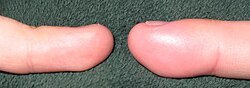
Comparison of left and right ring fingers of same patient, the right one exhibiting acute paronychia .

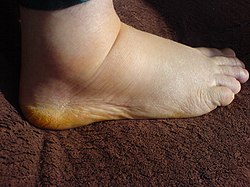
Severe bilateral pedal edema in 85 year old man.

Edema — photo 4

😊 Types Of Edema
There are different types of edema based on where it happens in the body. 😊Some common kinds include: 1. Peripheral Edema: This affects the arms, legs, and feet. It is the most common type! 2. Pulmonary Edema: Here, fluid builds up in the lungs, making it hard to breathe! 😮3. Cerebral Edema: This is swelling in the brain, which can be very serious. 4. Macular Edema: This type affects the eyes, especially in people with diabetes. 5. Lymphedema: This happens when lymphatic fluid builds up in the body's tissues. So interesting, isn’t it? 🎉
Go deeper🧐 Causes Of Edema
Edema can happen for many reasons! 🧐Some common causes include: 1. Injury: A sprained ankle or cut can make the surrounding area swell. 2. Illness: Conditions like heart disease or kidney problems can cause fluid to build up. 3. Medications: Certain medicines can lead to swelling too! 4. Pregnancy: Women may experience edema due to changes in their bodies. Finally, 5. Diet: Eating too much salt is not good! It can make your body hold onto extra water. 💧Always remember to talk to an adult about sudden swelling!
Go deeper🩺 Treatment Options
Treating edema depends on what’s causing it. 🩺A doctor may suggest: 1. Elevating limbs: Lifting swollen feet or hands can help! 2. Compression stockings: Wearing special socks can reduce swelling. 3. Medications: Sometimes, doctors give medicines called diuretics that help the body get rid of extra fluid. 4. Changing diet: Eating less salt and more fruits and vegetables can make a difference! 🌽🥦 Always listen to your doctor about what to do; their advice is essential for health.
Go deeper😊 Prevention Strategies
Preventing edema can be pretty easy! 😊Here are some tips: 1. Stay Active: Getting up and moving around helps your blood flow! 🚶♂️ 2. Drink Water: Surprisingly, staying hydrated can help your body not hold onto excess fluid! 3. Limit Salt: Eating too much salt can cause swelling; try to eat healthy foods. 4. Elevate: If you sit a lot, raise your feet on a pillow sometimes to reduce swelling. 🛏️ Remember, talking to a doctor can help keep us safe and healthy!
Go deeper😟 Complications Of Edema
Sometimes, edema can lead to more serious problems. 😟Complications include: 1. Skin Problems: Swelling can make skin feel tight and risk breaking. 2. Infections: If skin gets damaged, bacteria can enter and cause infections. 3. Mobility Issues: Severe swelling can make it hard to move parts of your body. 4. Breathing Issues: If you have pulmonary edema, this can be life-threatening! Always pay attention to swelling and see a doctor if it worsens, as it can indicate a serious problem.
Go deeper😯 Symptoms And Diagnosis
When someone has edema, it can look like they have puffed-up areas! 😯Symptoms include swelling, tightness in the skin, and sometimes pain. If someone pushes on the swollen part, it might leave a little dent called "pitting." Doctors usually do tests like checking your blood or taking pictures, like an ultrasound, to find out why someone has edema. 🩺Seeing a doctor is important, especially if swelling happens suddenly or doesn't go away, as this could be a sign of something more serious.
Go deeper🌽 Role Of Diet And Nutrition
Did you know our diet plays a big role in preventing edema? 🌽🥕 Eating a balanced diet with plenty of fruits and veggies can help keep our bodies healthy! Foods high in potassium, like bananas and sweet potatoes, can help balance fluids in our bodies. Avoiding too much salt is crucial because it makes us hold onto water and can lead to swelling. Drinking enough water is also essential to avoid dehydration! 💧The more we learn about healthy eating, the better we can manage our health and help prevent edema!
Go deeper🏥 Edema In Specific Conditions
Many conditions can cause edema! 🏥For instance, in heart failure, the heart can't pump blood well; this leads to fluid buildup. In liver disease, the liver struggles to manage fluids, contributing to swelling in the belly. 👶In pregnancy, hormonal changes can cause edema in the legs. Did you know that people with kidney disease often have edema too? These examples show how edema can be linked to various health issues, making it essential to monitor our bodies closely!
Go deeper🔬 Research And Future Directions
Scientists are always studying edema to find new ways to help people! 🔬Research is focused on understanding the exact causes and how the body retains fluid. They are exploring new medicines that can reduce swelling more effectively. Scientists are also looking at how nutrition, exercise, and genetics affect edema. 🧬This research is essential because it can help improve treatments and prevent complications. Who knows what amazing discoveries the future holds? 🤩The more we learn, the better we can take care of our bodies!
Go deeper