Ebenaceae Facts For Kids
Ebenaceae is a family of flowering plants known for their hard wood, beautiful fruits, and importance in ecosystems, found mainly in tropical and subtropical areas.
Select reading age
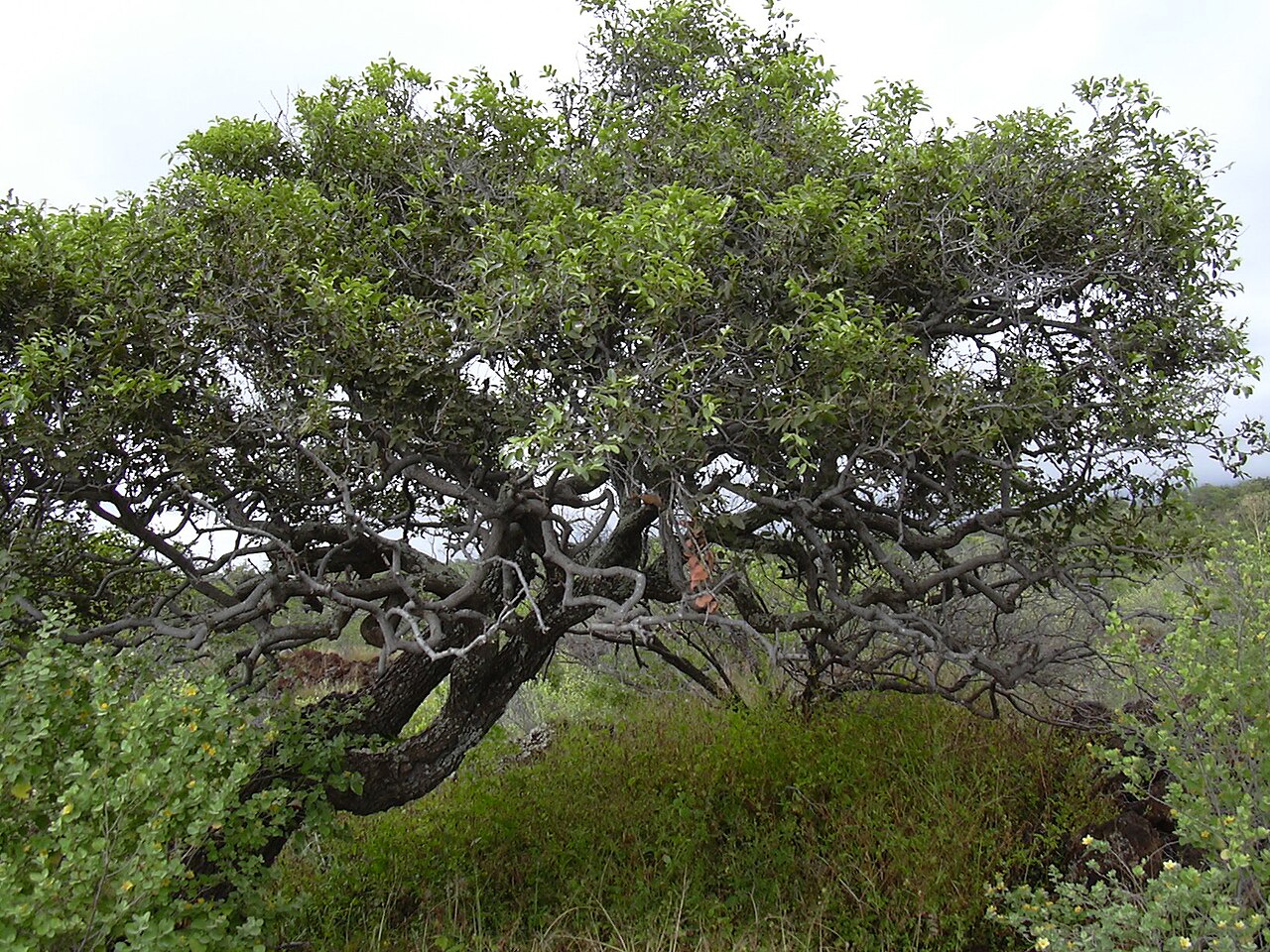
Ebenaceae Facts For Kids
Videos & Quizzesincluded
About this topic
The Ebenaceae family is a group of flowering plants! 🌸It includes over 400 species, mainly trees and shrubs, which are native to tropical and subtropical regions. You can find these plants in various places, such as Africa, Asia, and the Americas. The most popular member of this family is ebony, which is known for its beautiful, dark wood. 🌳This wood is often used to make furniture and musical instruments, like pianos! The Ebenaceae family plays an important role in our environment and is fascinating for nature lovers. 🐦Do you want to learn more about this unique family? Let's dive in!
Explore with ChatDinoKey Points
Ebenaceae belongs to the order Ericales, which is a group of flowering plants.
Among the numerous species in the Ebenaceae family, several are particularly famous!
Many species in the Ebenaceae family face threats due to deforestation and habitat loss.
Scientists are continually researching the Ebenaceae family to learn more about their characteristics and uses!
Ebenaceae plants have significant cultural importance in various regions!
Ebenaceae plants are essential for the environment!
Ebenaceae plants typically have simple, alternate leaves that are often dark green and shiny.
Ebenaceae plants thrive in various habitats, including tropical and subtropical forests.
Did you know Ebenaceae plants have been used in traditional medicine for centuries?
Photos of Ebenaceae

Diospyros chloroxylon


Royena graeca, fossil flower

Diospyros virginiana
🌼 Classification
Ebenaceae belongs to the order Ericales, which is a group of flowering plants. 🌼The family is divided into several genera, with some of the most well-known being Diospyros, which includes ebony trees, and Euclea. In total, there are about 5 to 25 genera within this family. The most famous species is the Diospyros ebenum, or the Ceylon ebony, found in Sri Lanka and India! 🌏Each of these plants shares certain characteristics, which help scientists classify and study them easily. So next time you see a beautiful ebony tree, you'll know it's part of the Ebenaceae family!
Go deeper🌟 Notable Species
Among the numerous species in the Ebenaceae family, several are particularly famous! 🌟Diospyros ebenum, also known as Ceylon ebony, is highly sought after for its luxurious wood. 🪑Diospyros virginiana, or black sapote, produces sweet, edible fruit in America! Another notable species is Diospyros mespiliformis, known as the African ebony, which plays a vital role in the ecosystems of Africa. 🐦Each species has its unique features and benefits, making the Ebenaceae family diverse and interesting! By learning about these plants, we can appreciate their significance to our planet!
Go deeper🌲 Conservation Status
Many species in the Ebenaceae family face threats due to deforestation and habitat loss. 🌲Logging for valuable ebony wood has put some species at risk, leading to concerns about their survival. Some plants are listed as endangered or vulnerable by organizations like the International Union for Conservation of Nature (IUCN). 🌎Efforts are underway to conserve these trees, which includes protecting their natural habitats and promoting sustainable harvesting. By raising awareness and supporting conservation efforts, we can help ensure that future generations enjoy the beauty of Ebenaceae plants!
Go deeper🔍 Research And Studies
Scientists are continually researching the Ebenaceae family to learn more about their characteristics and uses! 🔍Studies focus on their ecological roles, medicinal properties, and conservation efforts. For example, researchers investigate the genetic diversity of Diospyros species to develop better conservation strategies. 🌱Other studies explore how these plants adapt to their environment, including their resistance to pests and diseases. By conducting research, scientists help protect these fascinating plants and share their findings with the world, ensuring that everyone understands the importance of Ebenaceae in our ecosystem! 🌍
Go deeper🌍 Cultural Significance
Ebenaceae plants have significant cultural importance in various regions! 🌍Ebony wood, in particular, is highly valued for its dark color and durability, making it a favorite choice for crafting beautiful sculptures and furniture. 🪑In many African cultures, ebony is seen as a symbol of strength and beauty. Additionally, you may find stories and legends involving these trees, showcasing their respected status. In some areas, they symbolize wisdom! 🎨It's exciting to see how different communities celebrate their connection to the Ebenaceae family, making these plants essential to their identities!
Go deeper🌍 Ecological Importance
Ebenaceae plants are essential for the environment! 🌍They provide food and shelter for many animals, including birds, insects, and mammals. Some species attract pollinators like bees 🐝, which help make fruits and seeds. Other plants in this family help improve soil quality by adding nutrients when they die. 🌱This is important for plants and crops nearby. The trees also help prevent soil erosion and provide shade, promoting a diverse ecosystem! By learning about these plants, we can appreciate how interconnected nature is and understand the vital role Ebenaceae plays in our world!
Go deeper🍃 Morphological Features
Ebenaceae plants typically have simple, alternate leaves that are often dark green and shiny. 🍃Their flowers can be small and white or yellow, grouped in clusters. These trees can grow very tall, reaching up to 30 meters (about 98 feet!) in height! 🌳The fruits of many species are berries, usually black or purple when ripe. For example, Diospyros fruit is edible but can be very astringent! Some plants also have very dense and heavy wood, which makes them popular for crafting. 🪑Learning about these features helps us understand how these plants grow and adapt.
Go deeper🌲 Habitat And Distribution
Ebenaceae plants thrive in various habitats, including tropical and subtropical forests. 🌲You can find them in Africa, Asia, Australia, and America, often in warm, humid areas. For instance, Diospyros is famous for growing in Madagascar and India! In these regions, they provide shelter and food for many animals, including birds and insects. 🐦Some species prefer moist, well-drained soils, while others can tolerate drier conditions. The wide distribution of these plants shows how adaptable they are, making the Ebenaceae family truly special!
Go deeper🌿 Uses In Traditional Medicine
Did you know Ebenaceae plants have been used in traditional medicine for centuries? 🌿In some cultures, their roots and leaves are believed to have healing properties. For instance, the native people of Madagascar use parts of Diospyros to treat various ailments, such as fever or stomach issues. In India, some species are used to make herbal teas and remedies! 🍵However, it's essential to be careful and consult an expert before using any plants for medicine. Learning about these traditional uses helps us understand how humans depend on nature for health and well-being.
Go deeper