Duccio Di Buoninsegna Facts For Kids
Duccio di Buoninsegna, commonly known as Duccio, was an Italian painter from Siena active from about 1255 to 1319, celebrated for his emotional expressions and detail in religious artistry.
Select reading age
Duccio Di Buoninsegna Facts For Kids
Videos & Quizzesincluded
About this topic
Duccio di Buoninsegna was a famous Italian painter from Siena, Tuscany! 🎨He lived between around 1255 and 1319, and is known as one of the most important artists of his time. Duccio is celebrated for his beautiful paintings, which really showed emotions and stories through pictures. He was an essential figure in the development of early Renaissance art, making it more realistic and expressive. His creativity and skill helped shape the style of painting in Italy for many years! So if you love colors and stories, Duccio's artwork is definitely something to explore! 🌟
Explore with ChatDinoKey Points
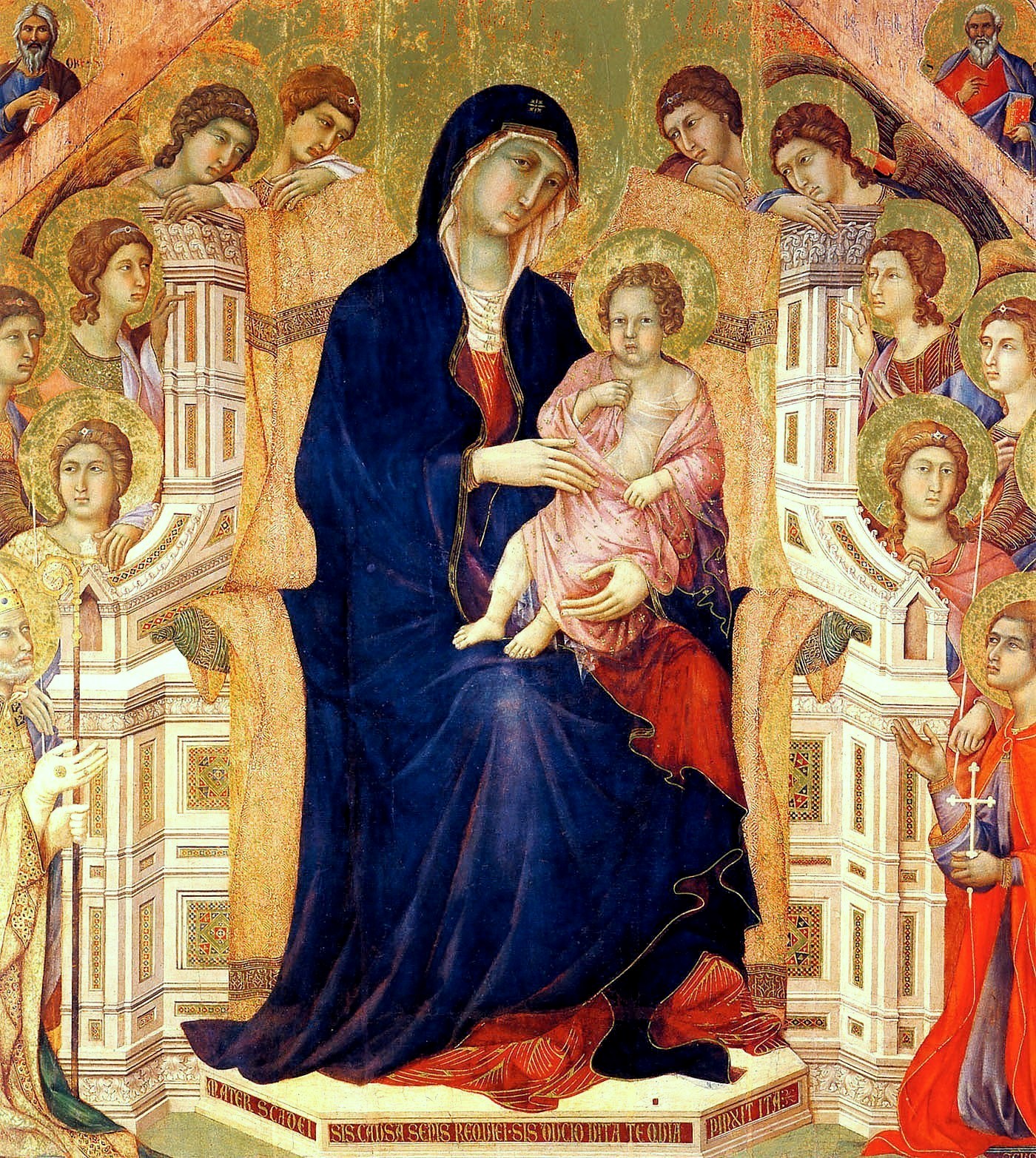
Among Duccio's most famous works is the "Maestà," painted for the Siena Cathedral around 1308.
Duccio’s art has left a lasting legacy!
Duccio was born in Siena, a lovely city in Italy known for its incredible art!
Duccio loved using special symbols in his paintings!
Duccio had a significant impact on Sienese painting!
Preserving Duccio’s paintings is super important!
Duccio's paintings were unique and magical!
Duccio di Buoninsegna holds a special place in art history as one of the first great painters of the Italian Renaissance!
During Duccio's time, there were other amazing artists, like Cimabue and Giotto!
Photos of Duccio Di Buoninsegna

The Calling of the Apostles Peter and Andrew (from the Maestà), c. 1308–1311

Madonna and Child, the child touching the virgin's veil, c. 1300

The Nativity with the Prophets Isaiah and Ezekiel, 1308–1311, National Gallery of Art

Madonna dei Francescani, ca. 1280

Duccio Di Buoninsegna — photo 5

Duccio Di Buoninsegna — photo 6

_MadonnaInTrono41.jpg

Duccio Di Buoninsegna — photo 8

Duccio Di Buoninsegna — photo 9
🏰 Major Works
Among Duccio's most famous works is the "Maestà," painted for the Siena Cathedral around 1308. 🏰This large altarpiece shows the Virgin Mary with baby Jesus and many saints surrounding her. It was full of vibrant colors and beautiful details! Another important piece is the "Rucellai Madonna," which highlights Duccio’s ability to express feelings through facial expressions. His paintings often tell stories from the Bible, and Duccio loved to make the characters come alive! Exploring his major works can take you on a colorful journey through art history! 📖
Go deeper🌅 Legacy And Influence
Duccio’s art has left a lasting legacy! 🌅Many artists after him were influenced by his ability to capture emotions and tell stories through their artwork. Even today, art historians study his techniques to understand how painting evolved over time. Schools and museums showcase Duccio's work, teaching future generations about his contributions to art. Without him, the art of the Renaissance might not have blossomed as beautifully as it did! His legacy reminds us how creativity and passion can shape the world of art. 🖼️
Go deeper🏛️ Early Life And Training
Duccio was born in Siena, a lovely city in Italy known for its incredible art! 🏛️ Although not much is known about his childhood, it's believed he started training as a painter when he was very young. He probably learned under other talented artists in Siena, getting better and better at his craft. Artists like him often worked in workshops, where they created beautiful works of art together. By the time he was an adult, Duccio had developed his unique style and became well-known for his amazing talent! ✨
Go deeper🔍 Iconography And Symbolism
Duccio loved using special symbols in his paintings! 🔍Iconography means using images to represent ideas or stories. For example, in the "Maestà," the Virgin Mary often symbolizes love and protection, while baby Jesus represents hope. Saints in his paintings often had unique objects that told us about their lives or what they represented. Duccio’s use of symbols made his artwork richer and more meaningful, allowing people to connect with the stories and messages in each piece. This technique helped viewers see deeper meanings in his art! 🌟
Go deeper🎨 Impact On Sienese Painting
Duccio had a significant impact on Sienese painting! 🎨His style inspired many local artists to create similar works filled with emotions and storytelling. After he started painting, Siena became known for its incredible art scene! Artists were excited to follow in his footsteps, leading to a time when Siena produced a lot of beautiful paintings. Many of these artists were influenced by Duccio's use of color, light, and expression, which made Sienese paintings unique and special during the late Middle Ages. 🌄
Go deeper🛠️ Conservation And Restoration
Preserving Duccio’s paintings is super important! 🛠️ Over time, artworks can get damaged due to age, dirt, or even accidents. Experts work carefully to restore paintings like the "Maestà" to their original beauty. They clean the surfaces, repair damages, and even match colors! Conservation helps keep the stories within the artwork alive for many future generations to enjoy. Museums and art historians are dedicated to protecting Duccio's amazing art so that everyone can admire and learn from it! 🌟
Go deeper🎉 Artistic Style And Techniques
Duccio's paintings were unique and magical! 🎉He used a technique called tempera, which involved mixing colors with egg yolks to create bright and beautiful artwork. His paintings looked a bit different from many others of his time; they had soft lines and gentle expressions. One of his biggest influences was Byzantine art, which used gold backgrounds and religious themes. Duccio blended this style with more natural scenes and emotions! His innovative approach helped change how artists created works, leading to a more realistic style in later artwork. 🌈
Go deeper🎖️ Duccio's Place In Art History
Duccio di Buoninsegna holds a special place in art history as one of the first great painters of the Italian Renaissance! 🎖️ His creative spirit and innovative techniques opened doors for many artists who came after him. By blending emotion with storytelling, he changed how people viewed art during his time. Today, people celebrate his work in museums and studies around the world. From painting beautiful altarpieces to affecting the direction of Sienese art, Duccio’s influence lasts even now, showing how powerful art can be! 🌈
Go deeper🖌️ Comparison With Contemporary Artists
During Duccio's time, there were other amazing artists, like Cimabue and Giotto! 🖌️ While Cimabue focused more on traditional Byzantine styles, Giotto was known for moving towards more realistic imagery. Duccio, however, blended both styles! His work was more emotional than Cimabue’s, making the faces in his paintings seem alive! In contrast, Giotto emphasized perspective and depth. Comparing Duccio with these contemporary artists helps us understand how art was changing during this exciting time in history. Together, they laid the foundation for the amazing Renaissance! 🌍
Go deeper