Dry Season Facts For Kids
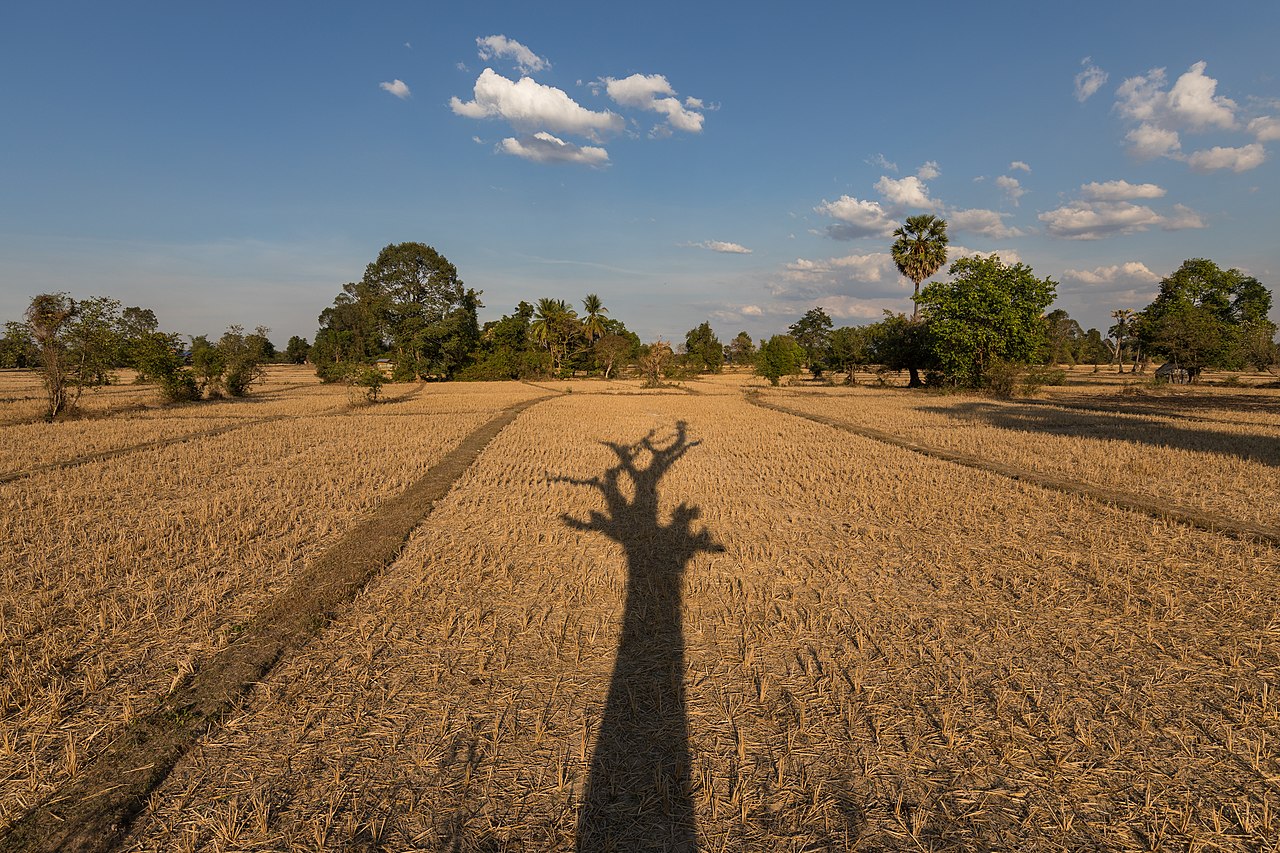
The dry season is a yearly period of low rainfall, especially in tropical regions, leading to drier landscapes and unique adaptations in plants and animals.
Select reading age
Dry Season Facts For Kids
Videos & Quizzesincluded
About this topic
The dry season is a special time of year when there’s little rain. ☀️ This can happen in many places, especially in tropical areas like Africa, South America, and parts of Asia. For example, in the Amazon Rainforest, the dry season lasts from July to October. During this time, rivers may shrink, and plants respond to the lower water supply. Animals also change their habits! It’s important to learn about dry seasons since they affect the environment, farming, and our daily lives. Let’s explore more about this unique time of year! 🌍
Explore with ChatDinoKey Points
Dry seasons can affect farming!
Dry seasons are the opposite of wet seasons!
Water management is super important during dry seasons!
Dry seasons occur in various climate zones around the world!
Plants and animals are clever at coping with dry seasons!
Dry seasons have some cool features!
Dry seasons can bring a lot of challenges!
Dry seasons hold special meaning for many cultures!
With climate change, dry seasons may become different in the future!
Let’s look at some amazing examples of dry seasons!
🌾 Impact On Agriculture
Dry seasons can affect farming! 🌾Farmers need to plan when to plant and harvest crops. In countries like Kenya, farmers grow crops that need less water during the dry season, such as millet and sorghum. 🌽Irrigation systems, which use water from rivers or underground, help crops grow even when it’s dry. However, a very long dry season can lead to droughts, making it hard for families to get food. That’s why farmers and scientists work hard to find ways to save water and help crops during these times! 🌽🥦
Go deeper💧 Comparison With Wet Seasons
Dry seasons are the opposite of wet seasons! 💧While dry seasons have little to no rain, wet seasons are filled with rain and storms. In tropical regions, the wet season can bring over 250 cm (98 inches) of rain! 🌧️ Wet seasons are great for plants, as they bloom and grow, while animals might have babies. During a dry season, animals may travel long distances for food, and plants conserve water. 🌿It’s important for ecosystems to balance both dry and wet seasons for healthy growth and life! ⚖️
Go deeper🚰 Water Management Strategies
Water management is super important during dry seasons! 🚰People use various strategies to save water, like rainwater harvesting, where they collect rain in tanks for later use. In places like Israel, farmers use drip irrigation that waters plants directly at their roots, saving plenty of water! 💧Some cities recycle water from homes for gardens. Community gardens in urban areas also help save water while growing food for neighbors. Understanding how to manage water can make this essential resource last until the rains come back! 🌊
Go deeper🌏 Climate Zones And Dry Seasons
Dry seasons occur in various climate zones around the world! 🌏These zones are based on temperature and rainfall patterns. In tropical savannas, like in parts of Africa⚡, dry seasons happen because of shifting weather patterns. Countries like Brazil and Australia also experience dry seasons due to their unique climates. The desert climate, found in places like Egypt 🌵, sees extreme dryness almost all year round, but often has a small wet season. Understanding climate zones helps us know how and why dry seasons occur. 🌦️
Go deeper🌵 Adaptations Of Flora And Fauna
Plants and animals are clever at coping with dry seasons! 🌵Many plants, like cacti, store water in their stems and have thick leaves to reduce moisture loss. 🌼Trees like the Baobab can survive long dry spells by shedding their leaves. Animals also adapt! 😸Camels can go without water for long periods, while some birds migrate to find wetter areas. Insects, like ants, build underground homes to escape the heat. These adaptations help living things survive and thrive in dry seasons! 🦙
Go deeper🌞 Characteristics Of Dry Seasons
Dry seasons have some cool features! 🌞Rainfall can drop to only a few centimeters each month, making the ground dry and cracking. In places like India, the dry season usually happens between March and June. With more sunshine, temperatures can soar high, sometimes reaching over 40°C (104°F) in places like Rajasthan! 🌡️ Trees lose leaves to save water, and animals might dig deeper for moisture or travel to find it. The dry season can feel very different from the wet season, where rain fills rivers and lush greenery flourishes. 🌿
Go deeper🌞 Challenges Faced During Dry Seasons
Dry seasons can bring a lot of challenges! 🌞One major problem is drought, which happens when there isn’t enough water for people, plants, or animals. This can lead to food shortages, causing families to go hungry. Farmers may lose their crops, and animals might struggle to find drinking water 🦙. During a dry season, wildfires can spread rapidly due to dry conditions and strong winds, especially in places like California. Learning about these challenges helps everyone work together to find solutions, like promoting water conservation and planning resources better! 🔍
Go deeper🎉 Cultural Significance Of Dry Seasons
Dry seasons hold special meaning for many cultures! 🎉In some regions, festivals are celebrated to mark the end of the dry season and the arrival of rains. For example, in India, there’s a festival called Makar Sankranti, celebrating the Sun and harvests. 🌾Many communities also use this time for storytelling, teaching children about traditions related to nature. In Africa, people perform dances and rituals to pray for rain and good crops. 🌧️ Understanding the cultural importance of dry seasons helps us learn about people’s connections to nature! 🌍
Go deeper📉 Future Trends In Climate And Dry Seasons
With climate change, dry seasons may become different in the future! 📉Scientists predict some areas could experience longer dry seasons and less rainfall. Regions like southern Africa might face more severe droughts, affecting food supply. 🥩Others might see dry seasons shifting to other months. Efforts to combat these changes include planting more trees, improving irrigation methods, and conserving water resources. 🌱Understanding future trends helps us prepare for changes and protect our environment for generations to come! 🌿🚀
Go deeper🌍 Case Studies Of Dry Seasons Around The World
Let’s look at some amazing examples of dry seasons! 🌍In Australia, the dry season is from May to October. Regions like Queensland can get very warm, and people often go to beaches to cool off! 🏖️ In Brazil, the Brazilian Cerrado experiences a dry season from June to September, where beautiful flowers bloom after the rains return! 🌸Africa’s Serengeti sees a dry season in June, where many wildebeests migrate to find food and water. These case studies show that dry seasons happen everywhere and affect all living things! 🌳
Go deeper