Dl-malic Acid Facts For Kids
DL-malic acid is an organic compound found in many fruits and vegetables, known for its tart flavor and role in energy production in our bodies.
Select reading age
Dl-malic Acid Facts For Kids
Videos & Quizzesincluded
About this topic
DL-malic acid is a special kind of acid found in some fruits, especially apples! 🍏It plays a role in how these fruits taste, making them yummy and slightly sour. Malic acid has two forms: D and L, which are mirror images of each other, just like your right and left hands. In nature, you can find it in lots of places, like in food and even in your own body! This acid helps with energy production. Next time you eat an apple, remember you're enjoying a little bit of malic acid! 🍎
Explore with ChatDinoKey Points
In chemistry, stereoisomerism is a fun word that describes how certain molecules can look different even if they are made of the same atoms!
Scientists use special methods to study DL-malic acid and understand its properties better!
You can find DL-malic acid in many delicious fruits!
DL-malic acid is friendly to the environment!
DL-malic acid isn’t just for fruits; it’s also useful in industries!
Scientists are always looking for new ways to use DL-malic acid!
Malic acid is just one of many acids found in nature!
DL-malic acid is generally safe to eat and can help with digestion!
DL-malic acid plays a crucial role in our bodies.
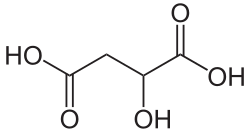
DL-malic acid has the chemical formula HO₂CCH(CH₂CO₂H) and is made of carbon (C), hydrogen (H), and oxygen (O) atoms.
Photos of Dl-malic Acid

Ball-and-stick model

Dl-malic Acid — photo 2

Structure of L-Malic acid

Structure of D-Malic acid

Pathway drawing describing the metabolic processes of Glycolysis and Gluconeogenesis in human.

Dl-malic Acid — photo 6

Dl-malic Acid — photo 7

Dl-malic Acid — photo 8

Dl-malic Acid — photo 9
🔍 Stereoisomerism
In chemistry, stereoisomerism is a fun word that describes how certain molecules can look different even if they are made of the same atoms! 🔍DL-malic acid comes in two shapes: D and L. These forms are known as enantiomers. Think of them like right and left gloves; they can’t fit into each other! This special characteristic is important because the two forms can act differently in our bodies, just like how two identical twins can have different personalities. 😄
Go deeper🔬 Analytical Methods
Scientists use special methods to study DL-malic acid and understand its properties better! 🔬One popular method is called High-Performance Liquid Chromatography (HPLC). This fancy technique helps separate and measure the amount of malic acid in foods and drinks. 🍹Another method is Nuclear Magnetic Resonance (NMR), which gives scientists a peek at the structure of malic acid. These tools help ensure that our food is safe and healthy to consume. 🥗
Go deeper🍒 Natural Occurrence
You can find DL-malic acid in many delicious fruits! 🍒It is most commonly found in apples, where it helps create that crisp, tangy taste we love. But it’s not just apples; you can also find it in pears, cherries, and grapes. 🍇The acid is also made by our bodies as part of breaking down sugars and producing energy. In fact, it’s part of a cycle called the Krebs cycle, which happens in all living things. 🌱
Go deeper🌱 Environmental Impact
DL-malic acid is friendly to the environment! 🌱Because it is natural, it’s biodegradable, which means it can break down and return to the earth without causing harm. This is important because it helps keep our planet clean and healthy. Many products that contain malic acid, like food and cosmetics, are made with the earth in mind, meaning they can be eco-friendly choices. 🌍So, using DL-malic acid can make sure we enjoy yummy flavors without hurting our environment!
Go deeper🏭 Industrial Applications
DL-malic acid isn’t just for fruits; it’s also useful in industries! 🏭It's added to many food products to give them a tart flavor, like candies and soft drinks. 🍬You can also find it in cosmetics, where it helps keep things fresh and smooth! Additionally, it is used in some cleaning products and as an ingredient in certain medicines. This shows just how versatile this little acid can be in our world! 🌎
Go deeper🧪 Research And Developments
Scientists are always looking for new ways to use DL-malic acid! 🧪Research is being done on how it might help athletes recover after exercising. They are testing if it can improve physical performance and reduce fatigue. ⚽Other exciting research includes studying how malic acid can help with certain health conditions. With so much potential, DL-malic acid might become an even more important ingredient for our health and well-being! 🌟
Go deeper🍋 Comparison With Other Acids
Malic acid is just one of many acids found in nature! 🍋For example, citric acid is found in citrus fruits like lemons and oranges, giving them their zesty flavor. Malic acid is less sour than citric acid, making it a favorite in many snacks. 🥨Lactic acid is another acid found in yogurt, helping with digestion. Each acid has its own special taste and role in food, but DL-malic acid is loved for its fruitiness and health benefits! 🍏
Go deeper🍏 Health Effects And Toxicology
DL-malic acid is generally safe to eat and can help with digestion! 🍏However, like anything, too much of it can upset our tummies. When it’s in the right amounts, it helps our bodies feel good and energized. Scientists study malic acid to understand more about how it affects our health. 🧑🔬 It’s important to remember that just because something is natural doesn’t mean it shouldn’t be used wisely. Balance is key!
Go deeper⚡ Biological Role And Metabolism
DL-malic acid plays a crucial role in our bodies. It's involved in energy production! ⚡When we eat food, our body breaks it down into smaller parts, like sugars. Malic acid helps transform these sugars into energy we can use to play, run, and think! It also helps keep our cells healthy. 🍽️ This acid works hard in the Krebs cycle, making it essential for our body’s fuel system, helping us stay active and energetic!
Go deeper🧪 Chemical Structure And Properties
DL-malic acid has the chemical formula HO₂CCH(CH₂CO₂H) and is made of carbon (C), hydrogen (H), and oxygen (O) atoms. 🧪The structure looks a bit like a tree with branches—two carboxylic acid groups (COOH) and one alcohol (OH) group. This means it can behave in different ways in reactions! It’s a colorless, sour-tasting solid at room temperature. Since it is soluble in water, it easily mixes in with many drinks and foods, helping to boost flavor and freshness! 💧
Go deeper