Dianthus Caryophyllus Facts For Kids
Dianthus caryophyllus, or carnation, is a colorful and fragrant flower native to the Mediterranean, known for its beautiful blooms and long-lasting presence in gardens and floral arrangements.
Select reading age

Dianthus Caryophyllus Facts For Kids
Videos & Quizzesincluded
About this topic
Dianthus caryophyllus, also known as the carnation or clove pink, is a colorful and fragrant flower 🌸. These flowers are famous for their sweet smell and beautiful look, making them popular in gardens and bouquets! They come in many colors, including pink, red, and white, which makes them fun to see during springtime. Carnations have been loved by people for hundreds of years. They can brighten up any space! 🌼Did you know? The name "Dianthus" means "divine flower" in Greek! Isn't that amazing?
Explore with ChatDinoKey Points
Carnations add a splash of color to any garden!
Like all plants, carnations can face challenges from pests and diseases.
Growing carnations is fun and easy!
Carnations have distinct, frilly petals that make them stand out!
Carnations have a strong meaning in many cultures!
Carnations have a long history!
There are many types of carnations in different colors and sizes!
You can grow more carnations by taking cuttings!
Carnations belong to the Caryophyllaceae family, which includes around 80 species!
Carnations originally come from the Mediterranean region 🌍, which includes places like Spain, Italy, and Greece.
Photos of Dianthus Caryophyllus
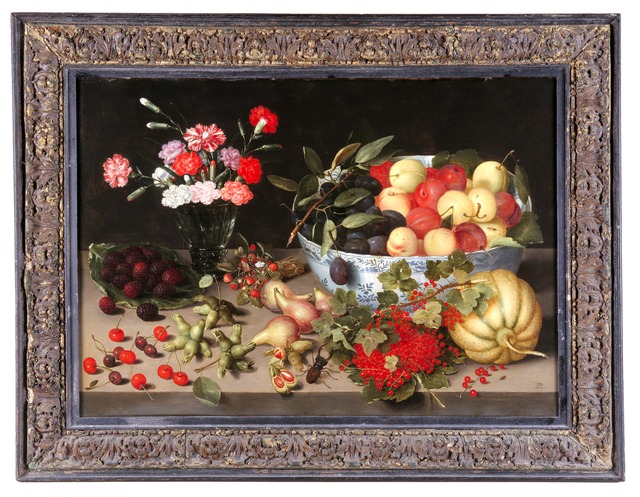
Peter Binoit, Stilleben, frukt – Still life with carnations, 1618

Women collecting carnations in Sanremo (Italy) in 1962

A carnation cultivar


Mural commemorating the Portuguese Carnation Revolution

Carnations painted by Pierre-Joseph Redouté

The transgenic cultivar 'Moondust'
🌻 Uses In Gardening
Carnations add a splash of color to any garden! 🌻They are perfect for borders, flower beds, and containers. People often use them in flower arrangements for special occasions like weddings and birthdays 🎉. The sweet fragrance makes bouquets smell lovely! 🌸Many gardeners grow carnations to attract butterflies and bees, benefiting nature. You might even see them in parks or botanical gardens! 🌼Plus, their cut flowers can brighten up homes, making them a favorite among florists!
Go deeper🐞 Pests And Diseases
Like all plants, carnations can face challenges from pests and diseases. 🐞Aphids and spider mites are common pests that can hurt the flowers. If you notice tiny bugs, you can wash them off with gentle water spray! 💦You should keep an eye out for powdery mildew, a fungal problem that looks like white dust on leaves. Good air circulation and plenty of sunlight help keep them healthy! 🌞With a little care, your carnations can stay strong and beautiful! 🌷
Go deeper🌱 Cultivation And Care
Growing carnations is fun and easy! 🌱They need plenty of sunlight—about 6 hours a day! To plant them, use well-drained soil mixed with compost for extra nutrients. 💧Water them regularly, but don’t let them sit in soggy soil, as this can lead to problems. Prune dead flowers to encourage new ones to grow. If you’re planting them outdoors, spring is the best time! 🌼With good care, they will bloom beautifully and brightly in your garden! 🌸
Go deeper🌷 Physical Description
Carnations have distinct, frilly petals that make them stand out! 🌷They can grow between 12 to 36 inches tall, depending on the type. The leaves are long and narrow, and the stems are sturdy, making them easy to arrange in bouquets. They usually bloom in clusters, showing off their bright colors and lovely fragrances! 🌸Each bloom can have many petals—up to 60! These flowers have a unique clove-like scent, which is why they’re often used in perfumes. Fun fact: Carnations can last up to two weeks in a vase!
Go deeper❤️ Cultural Significance
Carnations have a strong meaning in many cultures! ❤️ They are often used to express love and admiration. In the United States, they are the official flower of Mother’s Day! 🌷Giving a bouquet of carnations is a way to say “I care.” In some parts of Europe, red carnations symbolize passion, while white ones symbolize purity. 💗In other places, they are used in festivals and celebrations, reminding us of the beauty of friendship and family! 🌸
Go deeper🌍 Historical Background
Carnations have a long history! 🌍They were cultivated in ancient Greece and Rome, where they were used in crowns and garlands. In the 1400s, they spread to other parts of Europe and gained popularity! 🌷During the Victorian era, they became symbols of love and friendship. An important event in history is the "Carnation Revolution" in Portugal in 1974, where these flowers symbolized peace! ❤️ Today, carnations are cherished around the world and often used in celebrations and gifts! 🌼
Go deeper🌈 Varieties And Hybrids
There are many types of carnations in different colors and sizes! 🌈Some popular varieties include 'Chabaud' and 'Barbara.' These hybrids have unique traits, like ruffled petals or strong fragrances. 🌼Some carnations even bloom with frilly edges that look like lace! You can find miniature versions that are perfect for small spaces! Each variety has its own charm, making it exciting for gardeners to choose their favorites! 🌸
Go deeper✂️ Propagation Techniques
You can grow more carnations by taking cuttings! ✂️ First, snip a healthy stem with leaves, then dip the cut end into rooting hormone. 🌱Plant it in a pot with soil and water it carefully. Keep the pot in a warm, bright spot, and soon, roots will grow! You can also grow them from seeds by planting them in spring. 🌼This can take a bit longer, but it’s very rewarding to watch them grow! With a little patience, you can have a beautiful carnation garden! 🌸
Go deeper🌱 Botanical Classification
Carnations belong to the Caryophyllaceae family, which includes around 80 species! 🌱Their scientific name is Dianthus caryophyllus. This flower belongs to the genus Dianthus, which features many pinks and fringed flowers. The "caryophyllus" part comes from the word "carnation," which means "flower of the flesh" in Latin, relating to its soft petals. 🌷Carnations are perennials, meaning they can grow back for many years. They also attract butterflies and bees, which are important for nature! 🦋
Go deeper🌍 Habitat And Distribution
Carnations originally come from the Mediterranean region 🌍, which includes places like Spain, Italy, and Greece. They love sunny areas with well-drained soil. 🌞Nowadays, carnations can be found in gardens all over the world! They enjoy mild weather and grow best in USDA zones 5 to 9. 🌼In parks, gardens, and flower shops, you can spot large groups of these flowers blooming together. They symbolize love and admiration, making them a favorite for special occasions! ❤️
Go deeper