Deciduous Plant Facts For Kids
Deciduous plants are trees and shrubs that lose their leaves seasonally, typically in autumn, to adapt to changing environmental conditions and conserve resources during winter.
Select reading age
Deciduous Plant Facts For Kids
Videos & Quizzesincluded
About this topic
Deciduous plants are amazing trees and shrubs that change with the seasons! 🌳🍂 They lose their leaves every fall, usually around September to November. This big leaf drop helps them survive the winter when sunlight is scarce. Deciduous plants can be found all over the world, from North America to Europe and Asia! 🌍Some popular partners include oak trees, maple trees, and even fruit-bearing trees like apple and cherry. In springtime, these plants grow new leaves and flowers, making our world colorful and beautiful! 🌸✨ Understanding these plants helps us appreciate nature more!
Explore with ChatDinoKey Points
Deciduous plants go through a fascinating life cycle!
Deciduous plants have great cultural significance and many uses!
Deciduous plants have special adaptations that prepare them for seasonal changes!
Now, let's compare deciduous plants with evergreen plants!
Deciduous plants face several threats that can harm them!
Deciduous plants have unique features that set them apart!
Deciduous plants can be found in various ecosystems around the world!
Deciduous plants play a vital role in our environment!
There are many cool examples of deciduous trees and shrubs!
Photos of Deciduous Plant
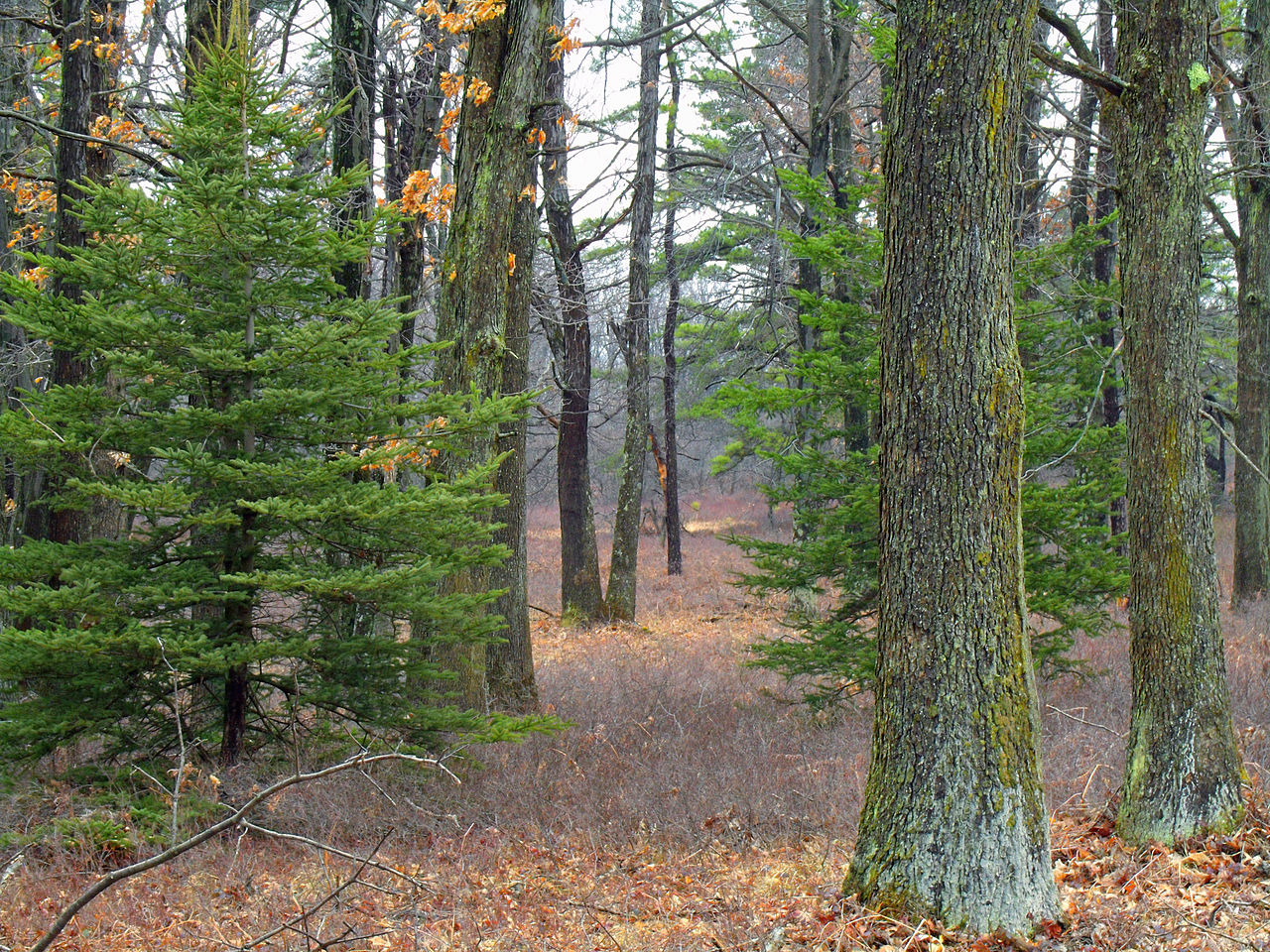
 Image by Nicholas A. Tonelli from Pennsylvania, USA, licensed under Creative Commons Attribution 2.0
Deciduous Plant — photo 1

Deciduous Plant — photo 2

Deciduous Plant — photo 3

Like a number of other deciduous plants, Forsythia flowers during the leafless season.
![Deciduous plants in mid- to high latitudes shed their leaves as temperatures drop in autumn.[15]](https://upload.wikimedia.org/wikipedia/commons/thumb/c/c7/Autumn_Leaf_08Nov17.jpg/960px-Autumn_Leaf_08Nov17.jpg)
Deciduous plants in mid- to high latitudes shed their leaves as temperatures drop in autumn.[15]

Deciduous trees were introduced to the temperate regions of Australia where they are used as ornamental plants, as seen here at a suburban street in Sydney.

Deciduous Plant — photo 7

Deciduous Plant — photo 8

Deciduous Plant — photo 9
🌱 Life Cycle And Growth Stages
Deciduous plants go through a fascinating life cycle! 🌱It starts when a seed is planted in the ground. As it receives sunlight, water, and nutrients, it sprouts, growing into a seedling! 🌧️ Over the years, it develops into a young tree or shrub. As it matures, it will bear leaves, flowers, and fruit! 🌼🍏 During summer, deciduous plants flourish and are full of life. When autumn arrives, they prep for winter by shedding leaves, entering dormancy. 🌫️ In spring, the cycle starts again as they grow new leaves and blooms, bringing joy all over again! 🌞
Go deeper🌸 Cultural Significance And Uses
Deciduous plants have great cultural significance and many uses! 🌸In some cultures, maple trees symbolize balance and promise. 🍁People also collect syrup from maple sap. Cherry blossoms are celebrated in Japan during Hanami, where families gather to enjoy the beauty of these trees! 🌷🌸 Moreover, hardwoods from deciduous trees like oak are used to make furniture and flooring. 🪑🌳 The bark and leaves can be used for medicine in traditional practices. Each of these plants shares a story and brings joy, beauty, and usefulness to our lives! 💖
Go deeper❄️ Adaptations To Seasonal Changes
Deciduous plants have special adaptations that prepare them for seasonal changes! ❄️ During autumn, trees sense cooler temperatures and shorter days. This triggers them to stop growing and prepare for winter. 🌬️ They form a special layer at the base of leaves called the abscission layer, which leads to the leaves dropping off. This helps them conserve energy and water. During the colder months, the trees hibernate, meaning they rest until warmer days arrive! When spring comes, new leaves and blossoms appear, making it the perfect time for growth! 🌸🌷 Adaptations ensure survival all year round!
Go deeper🌿 Comparison With Evergreen Plants
Now, let's compare deciduous plants with evergreen plants! 🌿✨ Evergreen plants keep their leaves all year round, while deciduous plants lose their leaves each fall. 🌞🌧️ Evergreens, like pine or spruce, have needle-like leaves that can survive winter's cold. 🌲They continue to provide shelter for animals even when deciduous plants are bare. Deciduous plants, on the other hand, show us beautiful colors in autumn! 🍁Both types of plants have important roles in their ecosystems, providing food and habitat for various animals while adding beauty to our landscapes! 🌼Each type has its own charm!
Go deeper🌍 Threats And Conservation Efforts
Deciduous plants face several threats that can harm them! 🌍Here are a few: deforestation, which occurs when trees are cut down for land development or agriculture, is a major concern. 🌳Also, climate change affects weather patterns, potentially impacting how and when plants grow. 🌧️🌞 To help save our deciduous friends, many conservation efforts are taking place! 🌱Organizations are planting new trees, protecting forests, and educating communities about the importance of biodiversity! 🦋As kids, you can help too by taking care of local green spaces, recycling, and spreading the word about how amazing deciduous plants are! 🌍❤️
Go deeper🌿 Characteristics Of Deciduous Plants
Deciduous plants have unique features that set them apart! 🌿One of the most important is their ability to drop leaves each year. 🌧️ You might notice that in summer, trees are full of vibrant green leaves, but by fall, they turn beautiful colors like yellow, orange, and red before falling off. 🍁Many deciduous plants have broad, flat leaves, which help them absorb sunlight during the warmer months. 🌞This makes them really good at photosynthesis, which is how they create food. During winter, their bare branches can look very different but are still strong and ready to grow come spring! 🌼
Go deeper🌳 Deciduous Plants In Different Ecosystems
Deciduous plants can be found in various ecosystems around the world! 🌳🌿 In temperate forests, like those in the eastern United States, you'll find remarkable trees such as maple, oak, and birch! 🌲🍂 In tropical regions, deciduous plants can be found in savannas, where they lose leaves during the dry season to conserve water. 🌾Meanwhile, in more arid areas, plants may have adapted to drop leaves during very hot periods. 🌞These plants adjust to their surroundings, showing how diverse ecosystems can be! 🌍Whether in forests, wetlands, or grasslands, they contribute significantly to our planet!
Go deeper🌍 Ecological Importance Of Deciduous Plants
Deciduous plants play a vital role in our environment! 🌍They provide shelter and food for many animals and insects. 🦜🍯 Birds often build nests in the branches, while squirrels find acorns and seeds to snack on. 🐿️ In addition to that, deciduous forests help clean the air by absorbing carbon dioxide and releasing oxygen! 🌬️ They also help prevent soil erosion by holding the soil in place with their roots. 🌱During fall, fallen leaves decompose, enriching the soil with nutrients. This creates a rich habitat for many creatures, helping to maintain balance in nature! 🦋
Go deeper🌳 Common Examples Of Deciduous Trees And Shrubs
There are many cool examples of deciduous trees and shrubs! 🌳One well-known tree is the mighty oak, which can grow really tall and live for hundreds of years! 🌳🍃 Maples are famous for their syrup, and the stunning colors of their leaves in the fall. 🍁We can’t forget willows, with their long, droopy branches that sway in the wind! 🌊Some deciduous shrubs include lilacs, which provide colorful blooms and pleasant smells in spring! 🌼Another example is the red-twig dogwood, known for its bright red stems during winter. 🌺Each of these plants has a special role in their environment!
Go deeper