Davis Strait Facts For Kids
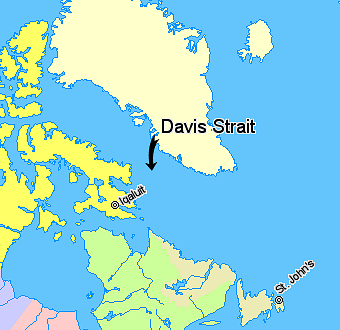
The Davis Strait is a vital arm of the Arctic Ocean situated north of the Labrador Sea, connecting Greenland to Canada’s Baffin Island and serving as a hub for marine life and shipping.
Select reading age
Davis Strait Facts For Kids
Videos & Quizzesincluded
About this topic
The Davis Strait is a big body of water found between Greenland and Canada, specifically the province of Nunavut! 🌊It connects the Arctic Ocean to the Atlantic Ocean and is about 400 kilometers (250 miles) wide. The strait is named after an explorer named John Davis, who sailed there in the 1580s. This area is important because it is home to many unique animals and plants, making it a special place in our world! 🦭
Explore with ChatDinoKey Points
The Davis Strait has significance for the local Indigenous communities!
Fishing is a big part of life in the Davis Strait!
Davis Strait is full of life underwater!
The Davis Strait is a treasure trove of wildlife!
Davis Strait is situated in the north of North America, separating Greenland from Canada.
Indigenous communities like the Inuit and Kalaallit have deep roots in the Davis Strait region!
The Davis Strait has a fascinating history!
Many scientists and researchers come to explore the Davis Strait!
The climate in the Davis Strait can be quite cold!
The Davis Strait serves as an important transportation route!
Photos of Davis Strait

The coast of Davis Strait in western Greenland

Icebergs around Lady Franklin Island, Nunavut.
🧑🤝🧑 Cultural Relevance
The Davis Strait has significance for the local Indigenous communities! 🧑🤝🧑 Inuit and Kalaallit people have lived in this area for thousands of years. They rely on the ocean for food, travel, and cultural practices. 🐬The stories and traditions passed down through generations reflect their deep connection to the sea. Local art often showcases the beauty of marine life, ensuring that the rich cultural heritage is remembered and celebrated! 🎨
Go deeper🐟 Economic Activities
Fishing is a big part of life in the Davis Strait! 🐟Many people catch fish like cod and shrimp here. The strait also has oil and gas deposits that people are exploring more and more. 💧Local communities depend on these resources for jobs and food. However, it's essential to balance economic activities with environmental care. Working smartly ensures that future generations can enjoy the beauty and resources of the Davis Strait! ⚓
Go deeper🐠 Marine Biodiversity
Davis Strait is full of life underwater! 🐠It provides a habitat for diverse marine species like narwhals, beluga whales, and various fish. The cold waters are rich in nutrients, creating a perfect environment for plankton that feeds many creatures. 🌊Scientists study this rich biodiversity to help understand how climate change affects marine life. Protecting the strait is essential to maintain the balance of this unique ecosystem! ⚓
Go deeper🐾 Ecological Importance
The Davis Strait is a treasure trove of wildlife! 🐾It is home to various animals like seals, walruses, and whales! 🐳Additionally, it has beautiful cold-water corals and rich plankton, which are essential for the food chain. The strait helps keep the Arctic ecosystem balanced. Some migratory birds also stop here to rest during their long journeys. Protecting this unique habitat is vital for maintaining the health of our planet! 🌎
Go deeper🐋 Geography And Location
Davis Strait is situated in the north of North America, separating Greenland from Canada. 🇨🇦 To the east, you’ll find Greenland, which is the largest island in the world! In the west, there are beautiful Canadian provinces like Nunavut. The strait is part of a larger region known as the Arctic, where you can see icy landscapes and cold waters. Despite the chilly temperatures, the strait is vital for some marine animals. 🐋
Go deeper🌊 Indigenous Communities
Indigenous communities like the Inuit and Kalaallit have deep roots in the Davis Strait region! 🌊They depend on the ocean for food and transportation and have rich cultures tied to this environment. 🦭Their traditional knowledge of the sea and wildlife is invaluable for preserving the delicate balance of this ecosystem. Promoting respect and understanding for Indigenous cultures is essential as we learn from their lifestyles and traditions. 🧑🤝🧑
Go deeper🎉 Historical Significance
The Davis Strait has a fascinating history! 🎉It was explored by many brave sailors like John Davis in the late 1500s, who was searching for new shipping routes. The strait played an important role in whaling and fishing industries for centuries. 🎣The area became known for its rich resources, and this led to more explorations! Today, it still holds historical significance due to shipwrecks and artifacts that tell stories of those who traveled through its waters. ⛵
Go deeper🧪 Research And Exploration
Many scientists and researchers come to explore the Davis Strait! 🧪They study the unique marine life, ocean currents, and the impacts of climate change. Research helps us learn how to protect this beautiful area and its wildlife. 🌍The strait has also been the focus of various expeditions to understand its geographic and ecological features better! Through mapping and data collection, explorers contribute to our knowledge of the Arctic region. 🧭
Go deeper❄️ Climate And Weather Patterns
The climate in the Davis Strait can be quite cold! ❄️ Winters are freezing, with temperatures often dropping below -20°C (-4°F), while summers can be mild, reaching about 10°C (50°F). 🌦️ Icebergs and sea ice are common sights during colder months. The weather can change quickly, with strong winds and snowstorms appearing suddenly. Understanding these patterns is essential for anyone living or working in the area, as they impact daily life and economic activities! 🌬️
Go deeper🛳️ Transportation And Navigation
The Davis Strait serves as an important transportation route! 🛳️ Ships travel through it to move goods between North America and Europe. However, navigating these waters can be tricky due to icebergs and changing weather. Mariners must use icebreakers in winter to keep the paths clear! 🚢These ships help other vessels pass safely. The area is a crucial part of the Arctic shipping routes, helping people connect with distant lands! 🌐
Go deeper