Darbuka Facts For Kids
The darbuka is a traditional hand drum used in Middle Eastern and North African music, known for its unique goblet shape and distinctive sound.
Select reading age
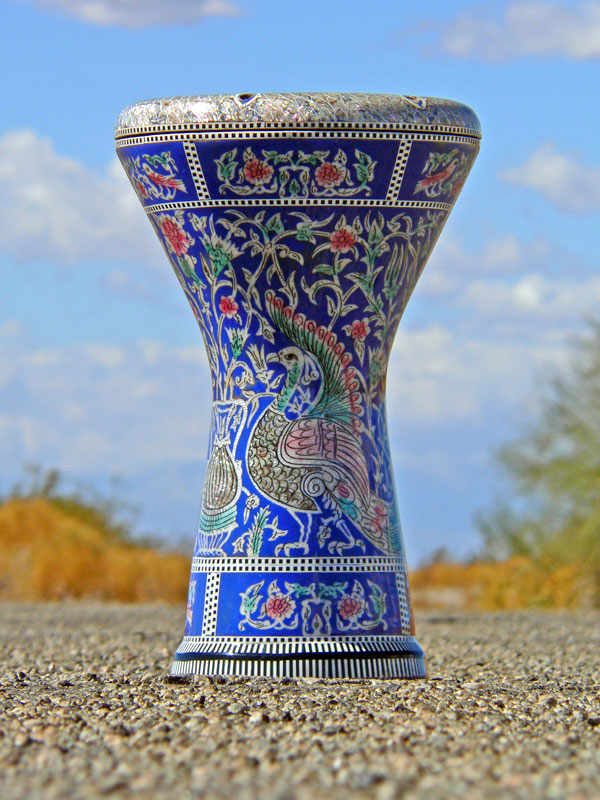
Darbuka Facts For Kids
Videos & Quizzesincluded
About this topic
The darbuka is a cool musical instrument! 🎶It looks like a goblet and is usually made of materials like clay or metal. The name "darbuka" comes from the Arabic word "darab," meaning "to strike." It is popular in many countries like Egypt, Turkey, and Greece. Kids love to play it because it makes fun sounds! 🎵The darbuka can be played in many musical styles, from traditional folk to modern pop. Musicians use their hands to hit the drum, producing different beats. It’s an important part of many cultures and is often used in celebrations and festivals! 🎉
Explore with ChatDinoKey Points
Playing the darbuka is super fun!
The darbuka isn't just an instrument; it's a key part of different cultures!
Many famous musicians play the darbuka!
The darbuka has a rich history that dates back thousands of years!
Darbukas can be made from several materials, each affecting how they sound.
The darbuka is not just for traditional music; it has an exciting place in contemporary sounds!
The darbuka is super versatile and can fit into many music genres!
If you want to learn how to play the darbuka, there are many resources to help you!
Photos of Darbuka

Darabukka from Egypt, 1825~35. From Lane 1836, p. 363

Darbuka — photo 2

tumbak or tumbaknaer, drum from Jammu and Kashmir

Darbuka — photo 5

Darbuka — photo 6

Darbuka — photo 7

Darbuka turca de metal

Darbuka — photo 9
🎉 Playing Techniques
Playing the darbuka is super fun! 🎉Musicians use their hands to create different sounds. There are two main types of strokes: "doum" and "tek." The "doum" sound is produced by hitting the drum with the palm, while the "tek" sound is made by striking with the fingers. 🖐️ You can also slide your fingers on the drum for a cool effect! 🎵Many players like to use rhythms called "maqamat," which are like musical patterns. Practicing these techniques can make you a great darbuka player, and eventually you can join in with friends for jam sessions! 🥁
Go deeper🎭 Cultural Significance
The darbuka isn't just an instrument; it's a key part of different cultures! 🎭In Egypt, it is often played at weddings and celebrations, bringing joy and energy to the party. In Turkish culture, traditional dances often include the darbuka, making everyone want to get up and dance! 💃In the Arabian Peninsula, the darbuka is essential for storytelling and folk music. It helps pass down history and traditions from one generation to the next. 🌟Learning about the darbuka can connect you to the rich cultures of the world, celebrating diversity through music! 🎶
Go deeper🌟 Famous Darbuka Players
Many famous musicians play the darbuka! 🌟One well-known player is Said El Artist, a master at creating mesmerizing rhythms! He has performed worldwide and is loved by many! 🎤Another famous name is Azzedine Djemai, who brings joy to audiences with his skills. In Turkey, Erdal Erzincan is celebrated for his amazing darbuka performances in folk music! 🎶These players often share their talent through videos and concerts, inspiring young musicians everywhere. 🎉Learning to play the darbuka can lead you to be as talented as these legends one day! 🥁
Go deeper🌍 History Of The Darbuka
The darbuka has a rich history that dates back thousands of years! 🌍It is believed to have originated in the Middle East, with roots traced back to ancient Egypt. Archaeologists have found drawings of similar instruments in tombs from around 2000 BC. Over time, the darbuka spread to other regions like Turkey and North Africa. The instrument evolved, with different shapes and sizes. 🌟Famous musicians in history, like Umm Kulthum, often used the darbuka in their performances. It is still popular today, connecting people through music and rhythm! 🎤
Go deeper🪵 Construction And Materials
Darbukas can be made from several materials, each affecting how they sound. Many traditional ones are crafted from clay, while modern ones might be made of metal or wood. 🪵The top is usually covered with a thin skin, made from animal hide or synthetic material. This skin is what makes those great sounds! 🎤The body of the darbuka can come in different shapes, like a goblet or a cylindrical shape. The size can also vary, with some small enough for kids to hold! 🧒Overall, the materials and design make the darbuka a unique and beautiful instrument! ✨
Go deeper✨ Darbuka In Contemporary Music
The darbuka is not just for traditional music; it has an exciting place in contemporary sounds! ✨Artists from around the world are starting to adopt this instrument into modern music. You might hear it in electronic dance music (EDM) or in films to create an exotic feel. 🎬Musicians like Mike Block and Junoon have featured the darbuka, blending genres and cultures. Even pop stars are getting in on the action! 🎤As more and more artists discover its unique sound, the darbuka continues to find its way into lots of new and exciting music! 🎼
Go deeper🎸 Darbuka In Different Music Genres
The darbuka is super versatile and can fit into many music genres! 🎸In traditional Middle Eastern music, it adds lively rhythms. In Turkish folk music, it pushes dancers to move with its fast beats! 🕺Interestingly, the darbuka is used in popular music too! Artists from various genres, like pop and rock, incorporate its sounds to create unique songs. 🌈You might hear it in music from artists like Shakira and even in some hip-hop tracks! The darbuka's ability to blend with various styles makes it an exciting instrument for any musician! 🌍
Go deeper📚 Educational Resources For Learning
If you want to learn how to play the darbuka, there are many resources to help you! 📚You can watch videos on YouTube, where expert players share tips and tricks. There are also websites and apps with online lessons to make learning easy and fun. 🎮You might find local music schools or community centers offering darbuka classes. Also, don't forget to read books about the history of the darbuka to find out even more! 🏫Connecting with other young musicians can also be fun! Sharing experiences helps everyone grow together in music! 🎶
Go deeper