Danube River Facts For Kids

The Danube River is a major European waterway that flows through ten countries, known for its historical significance, biodiversity, and cultural importance.

Select reading age
Go deeper More articles
Danube River
Danube River Facts For Kids
Videos & Quizzesincluded
Image by kallerna, licensed under Creative Commons Attribution-Share Alike 4.0

About this topic

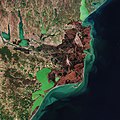
The Danube River is one of the longest rivers in Europe! 🌍It flows for about 2,860 kilometers (1,780 miles) and travels through 10 different countries, including Germany, Austria, and Hungary. The river starts in the Black Forest of Germany and ends in the Black Sea. The Danube is very important for transportation, wildlife, and communities along its banks. People use the river for fishing, boating, and drinking water. The river’s name comes from the Latin word "Danuvius." It's not only beautiful, but it’s also a vital part of many countries' cultures and histories! 🚣‍♂️
Explore with ChatDino

Key Points

Many communities along the Danube have rich traditions that celebrate their connection to the river.
The Danube River is essential for the economy of several European countries.
The Danube River begins at the confluence of the Brigach and Breg rivers in Germany.
The Danube River is a popular destination for tourists!
The Danube River has been a critical part of European history.
Like many rivers, the Danube faces several environmental challenges.
The Danube River flows through many exciting cities and landmarks that are rich in history!
The Danube River supports a wide range of wildlife and plants.

Photos of Danube River

The Danube basin

The Danube basin

3-color confluence of (from left to right) Inn, Danube, and Ilz in PassauImage by Carsten Steger, licensed under Creative Commons Attribution-Share Alike 4.0

3-color confluence of (from left to right) Inn, Danube, and Ilz in Passau

The hydrogeographical source of the Danube at St. Martin's Chapel in Furtwangen im Schwarzwald Germany: the Bregquelle, the source of the Danube's longest headstream, the Breg, where the Danube is symbolized by the Roman allegory for the river, Danuvius.Image by Uoaei1, licensed under Creative Commons Attribution-Share Alike 4.0

The hydrogeographical source of the Danube at St. Martin's Chapel in Furtwangen im Schwarzwald Germany: the Bregquelle, the source of the Danube's longest headstream, the Breg, where the Danube is symbolized by the Roman allegory for the river, Danuvius.

The symbolical source of the Danube in Donaueschingen: the source of the Donaubach (Danube Brook), which flows into the Brigach.Image by Andredonau, licensed under Creative Commons Attribution-Share Alike 4.0

The symbolical source of the Danube in Donaueschingen: the source of the Donaubach (Danube Brook), which flows into the Brigach.

The Tisza is the longest tributary of the DanubeImage by Váradi Zsolt 10:36, 2 Jun 2005 (UTC), licensed under Creative Commons Attribution-Share Alike 2.0

The Tisza is the longest tributary of the Danube

Danube River — photo 6Image by User:Drombalan, licensed under Creative Commons Attribution-Share Alike 4.0

Danube River — photo 6

Danube River — photo 7Image by Андрій Стебелєв, licensed under Creative Commons Attribution-Share Alike 3.0

Danube River — photo 7

Danube River — photo 8
Danube River — photo 8

Danube River — photo 9

Danube River — photo 9

🎶 Cultural Influence

Many communities along the Danube have rich traditions that celebrate their connection to the river. 🎶For example, Vienna is famous for its music, with composers like Johann Strauss taking inspiration from the Danube. The river even has a waltz named after it! Festivals celebrating the river’s beauty and importance are held in many cities, including the Danube Carnival. Different cultures have created unique dishes using fish from the river, such as paprika fish soup in Hungary. 🎣The Danube has inspired painters, writers, and musicians alike, making it a symbol of art and creativity in Europe! 🎨
Go deeper

💰 Economic Importance

The Danube River is essential for the economy of several European countries. 💰It makes transportation of goods easier, as large ships and barges can travel its waters. This helps businesses sell their products not just locally but also internationally! Cities along the river benefit from tourism and fishing industries. The fertile lands near the river are great for farming, allowing for the growth of crops such as wheat and corn. Additionally, many hydroelectric power plants are located along the river, which provide energy to nearby cities! ⚡️
Go deeper

🌄 Geography And Course

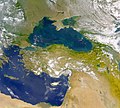
The Danube River begins at the confluence of the Brigach and Breg rivers in Germany. It flows southeast through various landscapes, including valleys, mountains, and plains. 🌄The river passes through major cities like Vienna, Austria, and Budapest, Hungary. It's the second longest river in Europe, after the Volga River in Russia. The river flows through countries such as Slovakia, Croatia, and Serbia, making it a central feature of European geography. Along its way, it has many tributaries that help feed the river with fresh water. The river finally empties into the Black Sea near Romania! 🌊
Go deeper

🛳️ Tourism And Recreation

The Danube River is a popular destination for tourists! 🛳️ Every year, millions of people visit its scenic banks to enjoy activities like boat tours, hiking, and cycling. One famous route is the Danube Cycle Path, which stretches nearly the entire river length. Tourists can explore beautiful cities, historic castles, and lovely vineyards along the way! Many people also enjoy fishing or simply relaxing by the river while having a picnic. Each spring, colorful flowers bloom along the banks, attracting many visitors! The Danube truly offers something for everyone! 🌷
Go deeper

⚔️ Historical Significance

The Danube River has been a critical part of European history. ⚔️ In ancient times, it served as a frontier for the Roman Empire. The Romans built roads and towns along its banks, making it a hub for trade. During the Middle Ages, castles were built along the river for protection. In more recent history, the river was important in World War I and II, as it acted as a boundary between different countries. The Danube also played a role in the spread of cultures, as many people traveled and settled along its shores, exchanging ideas, food, and traditions! 📜
Go deeper

🚨 Environmental Challenges

Like many rivers, the Danube faces several environmental challenges. 🚨Pollution from factories and cities can harm its water quality, affecting fish and other wildlife. In some areas, riverbank construction disrupts the natural habitats of animals. Climate change has also caused problems, leading to unusual weather patterns like floods or droughts. 🌧️ Organizations are working hard to protect the Danube by cleaning its waters and preserving its ecosystems. It's essential to keep the river healthy so that future generations can enjoy all its beauty and resources. Everyone can help by reducing pollution and protecting the environment! 🌱
Go deeper

🏰 Key Cities And Landmarks

The Danube River flows through many exciting cities and landmarks that are rich in history! 🏰In Vienna, you can visit the famous Schönbrunn Palace and enjoy a concert by the Danube. Budapest is home to the stunning Chain Bridge and the beautiful Parliament building right by the river. In Germany, check out the picturesque town of Regensburg, a UNESCO World Heritage Site. 🚤The river also boasts natural wonders like the Iron Gate, a gorge along the river that is breathtaking to see. Each city offers unique experiences, making the Danube a fantastic place to explore! 🌟
Go deeper

🦆 Biodiversity And Ecosystems

The Danube River supports a wide range of wildlife and plants. 🦆Many animals, such as fish, birds, and mammals, call it home! Notable species include the Danube salmon, which is endangered. The river is also an important habitat for migratory birds like the white-tailed eagle and the great cormorant. 🌅The wetlands and floodplains along the river provide rich ecosystems for many plants and animals. The Danube Delta, located in Romania, is a UNESCO World Heritage Site and is one of Europe’s most important natural areas, with over 300 species of birds and many unique plants! 🌿
Go deeper

🧠 Take the Quiz about Danube River

Question 1 of 10

What is the length of the Danube River?

Question 2 of 10

In how many countries does the Danube River flow?

Question 3 of 10

Which city is NOT located on the Danube River?

Question 4 of 10

What is the Danube Delta known for?

Question 5 of 10

Which famous waltz is inspired by the Danube River?

Question 6 of 10

What type of ecosystems can be found in the Danube Delta?

Question 7 of 10

What is the main economic significance of the Danube River?

Question 8 of 10

How many species of fish are estimated to inhabit the Danube River?

Question 9 of 10

What historic landmark can be found in Budapest along the Danube River?

Question 10 of 10

Which composer is renowned for the waltz 'The Blue Danube'?

🔒

Your results

Answer all 10 questions to see how you did.

Kid-safe AI powered by AstroSafe

DIY.org

Kid-safe AI for discovery and learning. Ask anything, explore everything, learn with confidence.

Product

  • Pricing
  • App
  • All Apps

Resources

  • Blog
  • Kids Wikipedia
  • Worksheets
  • Activities for Kids
  • Build a Hacker Simulator
  • SafeTube

Company

  • About
  • Terms & Conditions
  • Privacy Policy
  • AstroSafe
TwitterInstagramYouTube

© 2026 DIY.org. All rights reserved. · Powered by AstroSafe