All Articles

Dante Alighieri

Dante Alighieri Facts For Kids

Dante Alighieri was a renowned Italian poet, writer, and philosopher known for his epic poem 'The Divine Comedy,' which explores themes of love, morality, and the human soul's journey toward God.
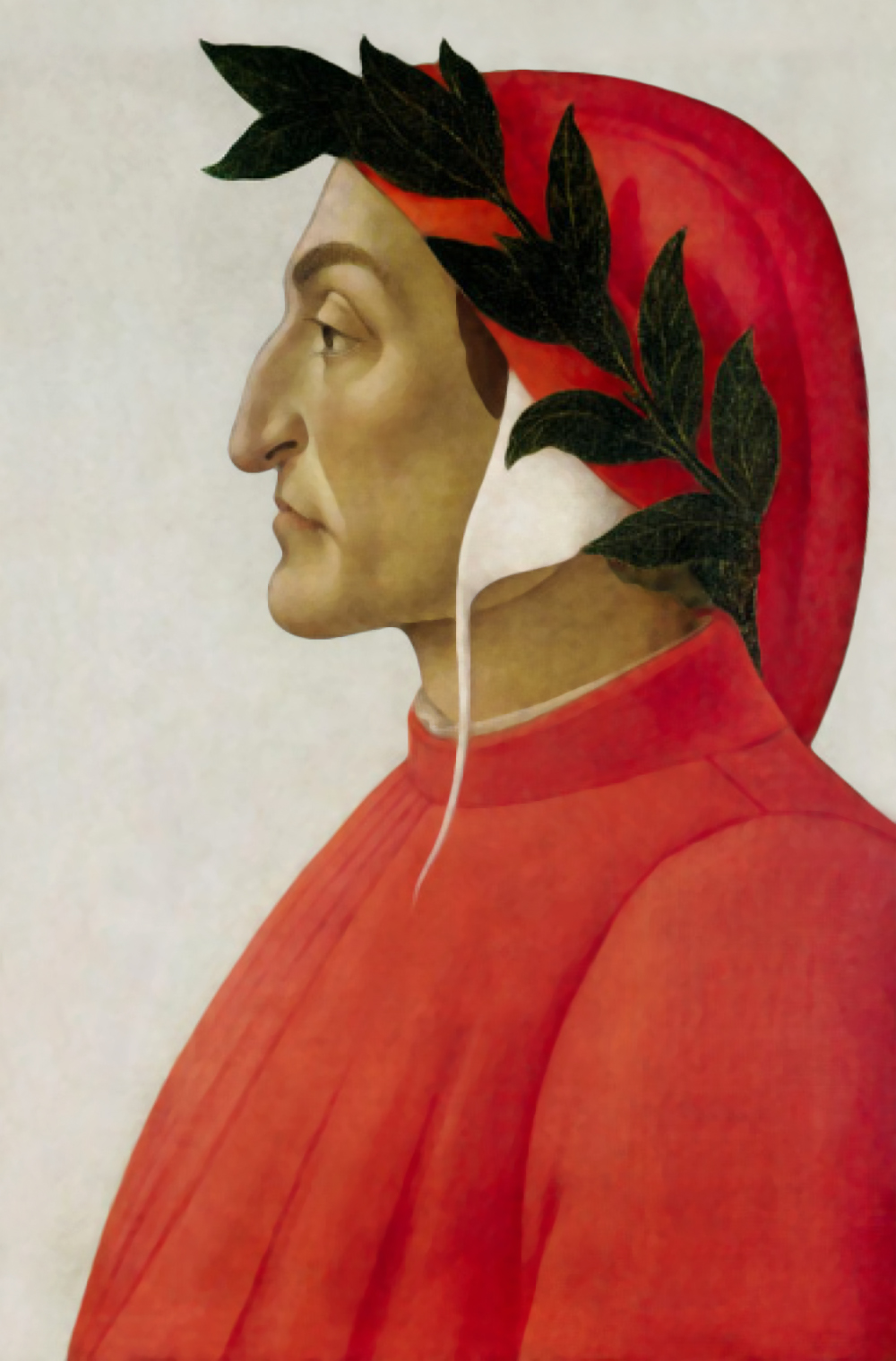
🎨 Reading age for 6-8
Background blob
Dante Alighieri
Facts for Kids!

Do more with AI

Introduction

Dante Alighieri was a famous Italian poet born in 1265 in Florence, Italy. 🎭He is best known for his epic poem called "The Divine Comedy," which tells a journey through the afterlife. 🌌Dante's writing is powerful and beautiful, and many people consider him one of the greatest poets ever! He wrote not just for entertainment, but to teach lessons about life, love, and morality. His work is still read today in schools around the world! 🌍Dante’s writings have influenced many writers and artists throughout history, making him a significant figure in literature. 📚

Images of Dante Alighieri

Dante's house museum in Florence. The house has been significantly altered since Dante's time.[15]Image by sailko, licensed under Creative Commons Attribution 2.5

Dante's house museum in Florence. The house has been significantly altered since Dante's time.[15]

Alleged Dante portrait attributed to Giotto, in the chapel of the Bargello palace, Florence.[16] It was painted c. 1335 and has been restored.[17]Image by Wolfgang Sauber, licensed under Creative Commons Attribution-Share Alike 3.0

Alleged Dante portrait attributed to Giotto, in the chapel of the Bargello palace, Florence.[16] It was painted c. 1335 and has been restored.[17]

Portrait of Dante, c. 1375–1406, from a fresco in the Palazzo dei Giudici, Florence[16]Image by No machine-readable author provided. Sailko assumed (based on copyright claims)., licensed under Creative Commons Attribution 2.5

Portrait of Dante, c. 1375–1406, from a fresco in the Palazzo dei Giudici, Florence[16]

Mural of Dante in the Uffizi, Florence, by Andrea del Castagno, c. 1450

Mural of Dante in the Uffizi, Florence, by Andrea del Castagno, c. 1450

Dante and Beatrice, by Henry Holiday, inspired by La Vita Nuova, 1883

Dante and Beatrice, by Henry Holiday, inspired by La Vita Nuova, 1883

Statue of Dante at the UffiziImage by Wikibusters, licensed under Creative Commons Attribution-Share Alike 4.0

Statue of Dante at the Uffizi

Statue of Dante in the Piazza Santa Croce in Florence, Enrico Pazzi, 1865Image by Jörg Bittner (Unna), licensed under Creative Commons Attribution-Share Alike 3.0

Statue of Dante in the Piazza Santa Croce in Florence, Enrico Pazzi, 1865

Dante in Verona, by Antonio Cotti, 1879

Dante in Verona, by Antonio Cotti, 1879

Dante Alighieri, detail from Luca Signorelli's fresco in the Chapel of San Brizio, Orvieto CathedralImage by Luca Signorelli, licensed under Creative Commons Attribution-Share Alike 3.0

Dante Alighieri, detail from Luca Signorelli's fresco in the Chapel of San Brizio, Orvieto Cathedral

Dante's house museum in Florence. The house has been significantly altered since Dante's time.[15]Image by sailko, licensed under Creative Commons Attribution 2.5

Dante's house museum in Florence. The house has been significantly altered since Dante's time.[15]

Alleged Dante portrait attributed to Giotto, in the chapel of the Bargello palace, Florence.[16] It was painted c. 1335 and has been restored.[17]Image by Wolfgang Sauber, licensed under Creative Commons Attribution-Share Alike 3.0

Alleged Dante portrait attributed to Giotto, in the chapel of the Bargello palace, Florence.[16] It was painted c. 1335 and has been restored.[17]

Portrait of Dante, c. 1375–1406, from a fresco in the Palazzo dei Giudici, Florence[16]Image by No machine-readable author provided. Sailko assumed (based on copyright claims)., licensed under Creative Commons Attribution 2.5

Portrait of Dante, c. 1375–1406, from a fresco in the Palazzo dei Giudici, Florence[16]

Mural of Dante in the Uffizi, Florence, by Andrea del Castagno, c. 1450

Mural of Dante in the Uffizi, Florence, by Andrea del Castagno, c. 1450

Dante and Beatrice, by Henry Holiday, inspired by La Vita Nuova, 1883

Dante and Beatrice, by Henry Holiday, inspired by La Vita Nuova, 1883

Statue of Dante at the UffiziImage by Wikibusters, licensed under Creative Commons Attribution-Share Alike 4.0

Statue of Dante at the Uffizi

Statue of Dante in the Piazza Santa Croce in Florence, Enrico Pazzi, 1865Image by Jörg Bittner (Unna), licensed under Creative Commons Attribution-Share Alike 3.0

Statue of Dante in the Piazza Santa Croce in Florence, Enrico Pazzi, 1865

Dante in Verona, by Antonio Cotti, 1879

Dante in Verona, by Antonio Cotti, 1879

Dante Alighieri, detail from Luca Signorelli's fresco in the Chapel of San Brizio, Orvieto CathedralImage by Luca Signorelli, licensed under Creative Commons Attribution-Share Alike 3.0

Dante Alighieri, detail from Luca Signorelli's fresco in the Chapel of San Brizio, Orvieto Cathedral

Biography

Dante Alighieri lived a long time ago, and his life was quite exciting! 🎉Born in Florence, he grew up in a city filled with art and culture. In his early life, he fell in love with a girl named Beatrice when he was just 9 years old. Though they did not marry, Beatrice inspired much of Dante's poetry. ✨As he grew up, he became involved in politics and fought for what he believed in. Sadly, different political struggles led to his exile from Florence, and he spent many years in other cities in Italy. Despite hardships, Dante continued to write, creating masterpieces that people admire even today. 🌟

The Divine Comedy

"The Divine Comedy," written by Dante, is one of the most famous poems in the world! 💖It’s divided into three parts: Inferno (Hell), Purgatorio (Purgatory), and Paradiso (Heaven). 🎆In this journey, Dante travels through these three realms, guided by the Roman poet Virgil and later by Beatrice. Along the way, he meets many characters from history and mythology. 🌿Dante’s journey symbolizes the soul's search for God and divine wisdom. Each part is filled with lessons, adventures, and wonderful imagery that capture the imagination of readers. The poem teaches important lessons about morality and our choices in life! 🌈

Political Involvement

Dante was not just a poet; he was also involved in politics! ⚖️ During his time, Florence was filled with different groups of people who had different beliefs. Dante joined the Guelph party, which supported the Pope. However, the politics were complicated! 😟After a struggle between the Guelphs and the opposing Ghibellines, Dante was forced to leave Florence. He spent years in exile, writing about his experiences and feelings about his beloved city. His political beliefs shaped much of his writing, and he often expressed his thoughts on justice and morality. This passion made his work powerful and meaningful! ✍️

Legacy And Recognition

Dante Alighieri's work continues to be celebrated and recognized worldwide! 🌍He changed literature forever with his brilliant writing and deep themes. Many schools teach "The Divine Comedy" because it invites readers to think critically. 🎓Dante's birthday, May 21, is celebrated in many parts of the world as "Dante Day," honoring his immense contribution to literature! He is often referred to as the "Father of the Italian Language" because of his impact on the Italian language we know today. His legacy will surely inspire people for generations to come! 🌟

Influence On Literature

Dante has had a huge impact on literature! 📖His unique style and themes inspired countless writers across the centuries. Many authors, including Geoffrey Chaucer and John Milton, looked up to Dante’s work. 🌍His use of the Italian language helped to elevate it as a literary language, making it more popular! Additionally, Dante’s vivid imagery and storytelling set a new standard for poetry and epic tales. 🎭Even today, writers and poets still reference his work or borrow themes from "The Divine Comedy." This literary legacy keeps Dante's spirit alive and shows how powerful storytelling can be! 🌈

Dante In Popular Culture

Dante's legacy isn't just found in books; he's all around us! 📺His character and stories appear in movies, plays, and video games! 🎮Many adaptations of "The Divine Comedy" have been made, bringing his epic journey to life on screen. Additionally, Dante’s powerful imagery influences artists, musicians, and even comic book creators! 🎨For example, the popular video game "Dante's Inferno" loosely adapts his work, allowing players to explore Hell! This keeps Dante's adventures relevant and allows new generations to discover his fascinating stories! 🌈

Early Life And Education

Dante was born into a family of relatively modest means. 🏠He began studying at a very young age and was interested in many subjects, including poetry and philosophy. Dante was deeply influenced by his education and the writings of famous thinkers like Aristotle and St. Augustine. 📜He loved reading and exploring ideas, which helped him craft his own stories and poems. As a young boy, he enjoyed the colorful environment of Florence, a city known for its art and culture. 🎨This vibrant backdrop inspired him to chase his dreams of becoming a poet and writer.

Major Themes And Symbolism

Dante's work is rich with important themes and symbols! 🌟One major theme is the idea of love, especially divine love, which leads souls to God. He also explores justice, with each character facing consequences for their actions. ⚖️ Symbolism is everywhere in "The Divine Comedy." For example, the three animals Dante encounters represent different sins and challenges to overcome. 🐍These themes help readers think about their own lives and decisions. Through his journey, Dante teaches that love, hope, and redemption are essential for a fulfilling life! 🌻His work encourages people to seek self-improvement and understanding.

Dante's Works Beyond The Divine Comedy

Dante wrote more than just "The Divine Comedy"! 📜He created other notable works, such as "La Vita Nuova" ("The New Life"), which focuses on his love for Beatrice and the joys and pains of love. 💔Another important piece is "Convivio," a philosophical work discussing life, knowledge, and happiness. Through these writings, Dante shared his thoughts on love, wisdom, and the importance of a good life. His talent for blending poetry with deep ideas makes his smaller works just as interesting as his famous epic poem! Every piece shows how much Dante loved writing and thinking. ✨

Philosophical And Theological Influences

Dante was deeply influenced by philosophy and religion! 📚He admired great thinkers like Aristotle and Plato, who shaped his ideas about morality and the universe. Dante also followed the teachings of the Catholic Church, which played a big role in his writings. ⛪He explored questions about heaven, hell, and the soul's journey. His understanding of theology helped him create "The Divine Comedy," showing different human experiences and choices. 🌌Dante's blending of philosophy with poetic storytelling helped readers think about important questions in life, like how to be good and what to believe in! 🌟

Dante Alighieri Quiz

Q1
Question 1 of 10

Learn more about Dante Alighieri

Ready to create?

Make

To create a safe space for kid creators worldwide!

Create

Vibe Coding

Kids GPT

All Tools

Kibu

Resources

Worksheets

SafeTube

Blog

FAQ

Account

Pricing

Log-in

Sign-up

Data Deletion

Company

About

Community Guidelines

Privacy Policy

Terms of Service

2025, URSOR LIMITED. All rights reserved. DIY is in no way affiliated with Minecraft™, Mojang, Microsoft, Roblox™ or YouTube. LEGO® is a trademark of the LEGO® Group which does not sponsor, endorse or authorize this website or event. Made with love in San Francisco.