Dama Dama Facts For Kids
The European fallow deer (Dama dama) is a graceful species of deer native to Eurasia, known for its distinctive coloration and unique antlers.
Select reading age
Dama Dama Facts For Kids
Videos & Quizzesincluded
About this topic
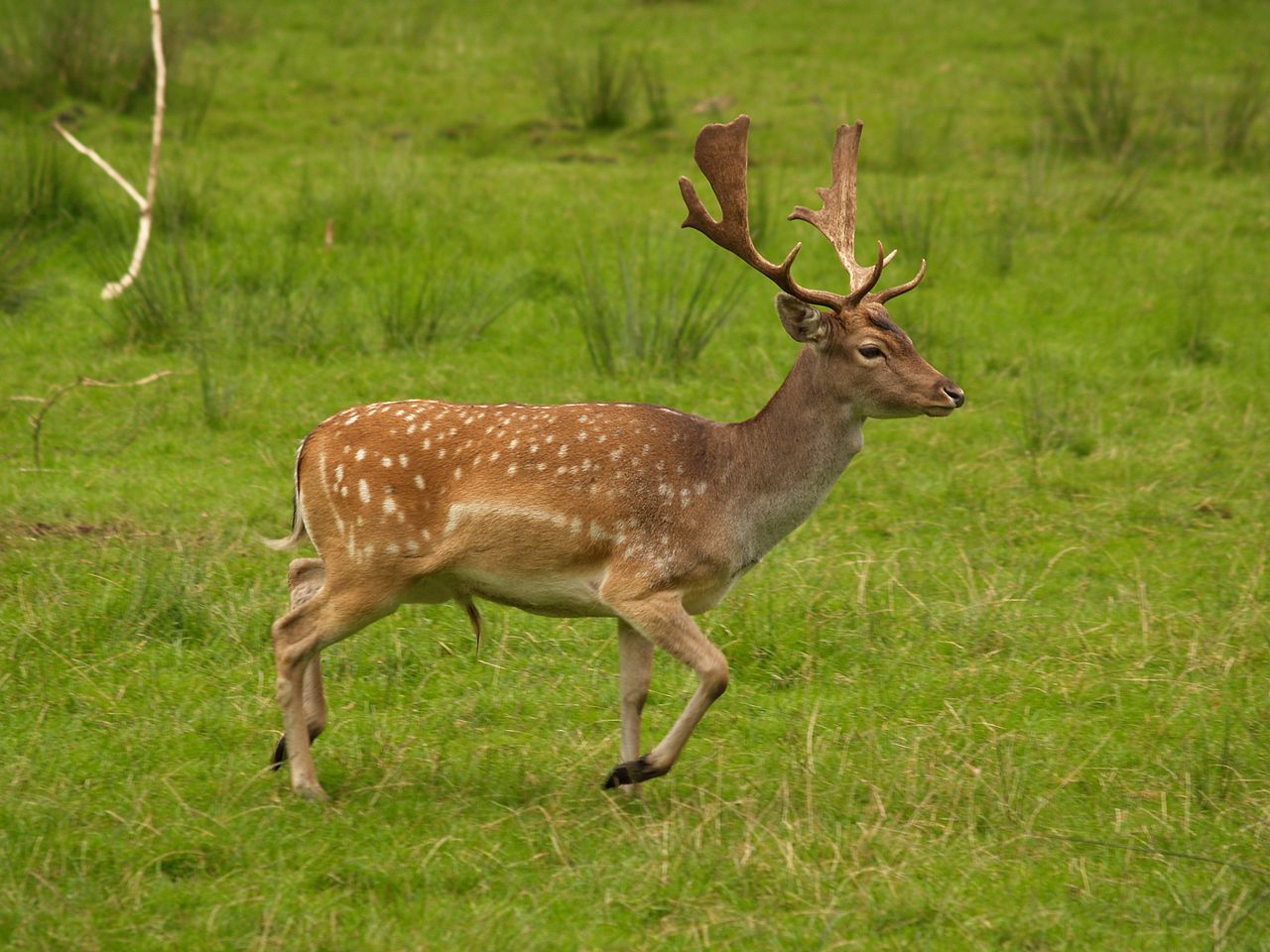
The European fallow deer, also called Dama dama, is a lovely type of deer found in Eurasia! 🌍These deer are known for their beautiful, spotted coats and impressive antlers. They can grow up to 75-100 cm tall at the shoulder and weigh around 50-100 kg. Fallow deer are friendly and social animals that love to live in groups called herds. You can find them in forests and open grasslands! 🦌This deer has been loved since ancient times, often appearing in art and stories. Let's explore more about these fascinating creatures!
Explore with ChatDinoKey Points
Here are some fun facts about the European fallow deer!
The European fallow deer has many relatives in the deer family!
The conservation status of the European fallow deer is “Least Concern”, which means they are not in immediate danger, but they need our protection!
Fallow deer have been admired by many cultures throughout history!
What do fallow deer eat?
Fallow deer are native to Eurasia, which is a big part of the world that includes Europe and Asia.
The European fallow deer has distinctive physical traits that make it easy to recognize!
Fallow deer have an interesting way of bringing new life into the world!
The European fallow deer belongs to the family Cervidae, which includes all deer species.
Fallow deer are very social animals!
Photos of Dama Dama

Dama Dama — photo 1

Dama Dama — photo 2


Mature buck showing common darker colouring of a winter coat with lighter area around the tail

White variants of fallow deer in the Beijing Zoo

A skeleton of a buck (male) exhibited at the Mammal Gallery in the Natural History Museum of Pisa University

A pair of European fallow deer antlers

Skeleton of the extinct subspecies Dama dama geiselana

Three of the fallow deer colour variants found at the Fossil Rim Wildlife Center in Texas
🌟 Fun Facts
Here are some fun facts about the European fallow deer! 🌟Did you know that a group of fallow deer is sometimes called a “herd” or a “leap”? They can run up to 30 miles per hour when they need to escape! 🏃♂️ Also, they are known for their unique coat patterns that change with the seasons! In winter, their fur becomes thicker and darker. Fallow deer can also see well in the dark, helping them find food when it's dark outside! 🌙The males shed their antlers every year and grow new ones, ready for the rut!
Go deeper🦌 Related Species
The European fallow deer has many relatives in the deer family! 🦌Some of the most known ones are red deer, roe deer, and sika deer. They all belong to the Cervidae family but come from different genera. The red deer, for instance, is known for its impressive strength and larger size. 🦌Sika deer, originally from East Asia, are also popular in other regions. Each of these deer has unique features and adaptations, just like the fallow deer, making them special creatures in our natural world! 🌍
Go deeper🌍 Conservation Status
The conservation status of the European fallow deer is “Least Concern”, which means they are not in immediate danger, but they need our protection! 🌍In some regions, their populations are stable, while in others, they may be threatened by habitat loss. People also hunt fallow deer for their meat and antlers. Conservation programs help to create safe spaces for them to live and grow! 🦌It’s important to keep their habitats safe so that future generations can enjoy seeing these marvelous creatures!
Go deeper🏛️ Cultural Significance
Fallow deer have been admired by many cultures throughout history! 🏛️ In Europe, they have appeared in ancient art, stories, and even royalty gardens! They symbolize grace and beauty in various cultures. Today, many parks and reserves take care of fallow deer, making them popular animals for visitors to see and learn about. 🦌Their friendly nature often makes them favorites among those who study and care for wildlife. People love taking pictures of these pretty deer, too! 📸
Go deeper🍃 Diet And Feeding Habits
What do fallow deer eat? 🍃They are herbivores, meaning they eat plants! Their diet includes grass, leaves, fruits, and buds. Fallow deer are very good at finding tasty snacks in their surroundings. They use their sharp teeth to munch on grasses and their strong tongues to grab leaves from trees. 🌳They are most active at dawn and dusk when they search for food. Fallow deer also need to drink water regularly, so they love to hang out near rivers and lakes too!
Go deeper🌍 Habitat And Distribution
Fallow deer are native to Eurasia, which is a big part of the world that includes Europe and Asia. 🌍You can find them in countries like England, Germany, and Italy. They love to live in forests, grasslands, and parks. Fallow deer enjoy areas where they can easily hide from predators, like wolves and big cats! 🐅They also like places with plenty of grass to munch on. In some places, people have even introduced them to new areas, making them popular in parks and nature reserves!
Go deeper🦌 Physical Characteristics
The European fallow deer has distinctive physical traits that make it easy to recognize! 🦌Their bodies can be a mix of colors, including light brown, dark brown, and even white. The males grow large antlers that can have many points on them. These antlers can be up to 90 cm long! The females, known as does, do not have antlers. Fallow deer also have big, round eyes and long legs that help them run fast! 🏃They can leap over obstacles easily, making them quite agile.
Go deeper🌼 Reproduction And Lifespan
Fallow deer have an interesting way of bringing new life into the world! 🌼The mating season, called the rut, occurs in the autumn months. Males will compete for females, showing their antlers and making lots of noise! After about 230 days of pregnancy, a doe will give birth to one or two fawns in the spring. 🦌The fawns are really cute and have spots for camouflage! They grow quickly and can live up to 15 years in the wild or even longer in protected areas.
Go deeper🦌 Taxonomy And Classification
The European fallow deer belongs to the family Cervidae, which includes all deer species. 🦌It is classified as Dama dama in the scientific world. Did you know that there are different breeds of fallow deer? Yes, there are! The most common colors are spotted, white, and dark brown. The fallow deer is a member of the order Artiodactyla, which means it has even-toed hooves. It's related to many other animals like moose and elk that also belong to this family!
Go deeper🦌 Behavior And Social Structure
Fallow deer are very social animals! 🦌They usually live in groups called herds, which can have many female deer (does) and their babies, called fawns. Males, known as bucks, often join the herd during mating season, called the rut. During this time, bucks will show off their antlers and make loud sounds to attract females. Fallow deer are also known for their friendly behavior, often grooming each other and standing close together. They communicate through sounds, body language, and even smells! 🗣️
Go deeper