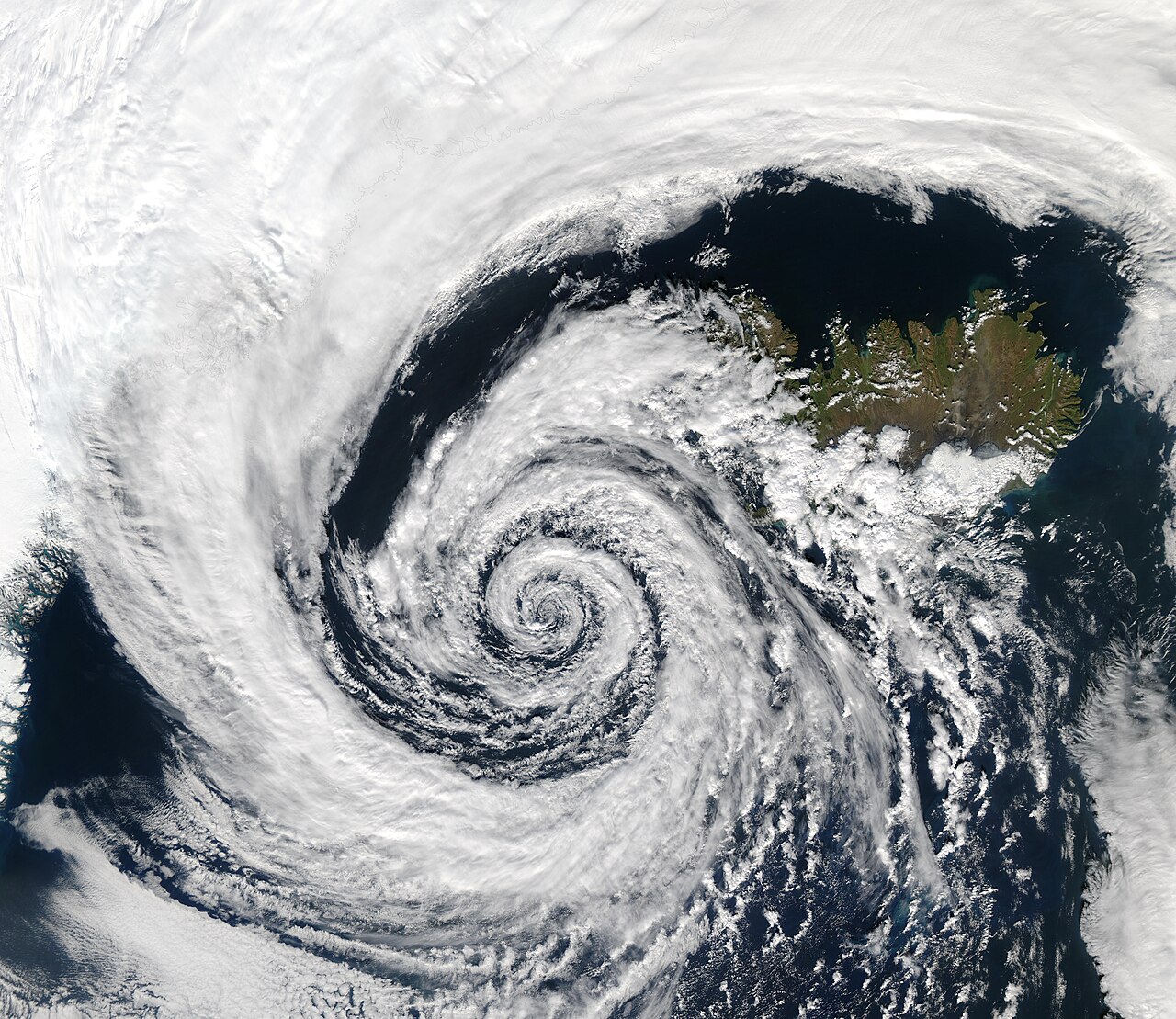
A cyclone is a severe weather phenomenon characterized by a system of winds rotating around a low-pressure center, typically resulting in heavy rain and high winds.
Set reading age
View for Kids
Easy to read and understand
View for Students
Clear, detailed explanations
View for Scholars
Deep dives and big ideas
Cyclones are powerful storms that form over warm ocean waters🌊. They can bring strong winds, heavy rain, and huge waves. Cyclones are also known as hurricanes in the Atlantic Ocean and typhoons in the Pacific Ocean. They usually develop near the equator, where the water is warmest. A cyclone can be as wide as 600 miles! 🌪️ These storms can cause a lot of damage to houses, trees, and roads, but they also help to move heat from the equator to other areas of the Earth. 🌍Understanding cyclones helps us stay safe when they occur!
There are three main types of cyclones: tropical cyclones, extratropical cyclones, and polar cyclones. 🌪️ Tropical cyclones develop in warm ocean waters, usually near the equator, and can grow very strong! 🌊Extratropical cyclones are found in temperate regions, far from the tropics, and occur in colder seasons. ❄️ Polar cyclones happen near the North and South Poles and are often weak. 🌬️ Each type of cyclone has its own wind speeds and rainy conditions, but all can be dangerous! 🌩️
Cyclones can have a huge impact on the environment and people. 🌪️ They can cause flooding, landslides, and strong winds that can destroy buildings and trees. 🌳💨 In 2005, Hurricane Katrina hit New Orleans, USA, causing widespread flooding and destruction. 🌊Over a thousand people lost their lives, and many more were displaced from their homes. 💔But not all impacts are negative; cyclones can help bring rain to dry areas, which is important for farmers! 🌾🌧️
Cyclones have been recorded throughout history, causing both destruction and changes. For instance, in 1970, the Bhola cyclone hit East Pakistan (now Bangladesh), killing around 300,000 people. 💔It was one of the deadliest cyclones ever recorded. Cyclones can also change how cities are built! 🌆After disasters, governments often improve building codes and disaster plans. 🌍Remembering past cyclones helps communities prepare for future storms and stay safe! 💪
One famous cyclone is Hurricane Irma, which struck in September 2017. 🌪️ It affected the Caribbean islands and Florida, USA. Irma had wind speeds reaching 185 mph! 🌬️ It caused widespread power outages and flooding. 🎢People evacuated before the storm, showing how important preparation is! Another example is Cyclone Nargis in Myanmar in 2008, which caused floods and took thousands of lives. 😢Studying these cases helps scientists and communities improve safety and response plans! ☔
Cyclones are born from warm water, which provides energy. 🌊First, warm air rises from the ocean's surface. As it rises, cooler air rushes in to fill the gap, creating strong winds. 🌬️ Then, as the air spins, the storm begins to form a center, called the "eye." This eye is calm while the winds swirl around it. 🌪️ The warm water continues feeding the storm, making it grow bigger! 🌍Cyclones often form between June and November, depending on the region. 🌞
Meteorologists use radar, satellites, and computer models to track cyclones. 🛰️ They collect information about wind speed and storm direction. This helps them predict where the cyclone will go and how strong it will be. 🌪️ For example, the National Hurricane Center in the USA tracks storms in the Atlantic Ocean and sends out warnings to keep people safe! 🚨Knowing when a cyclone is coming gives people time to prepare, which can save lives. 🏠
Scientists continue to study cyclones to better understand these powerful storms. 🧑🔬 Researchers use technology like drones and weather satellites to gather data. 🚁They also develop computer models to predict cyclone behavior. 🌪️ Innovations like advanced radar and storm surge barriers help keep people safe. 🌊Ongoing research is essential for improving cyclone forecasting and recovery efforts! The more we learn, the better prepared we can be to protect communities and save lives! 📚🌈
Before a cyclone hits, it’s important to be prepared! 🏠Families should create an emergency kit with food, water, and first-aid supplies. 🚑It’s also smart to have a plan for where to go if you need to evacuate. 🌪️ Stay informed by listening to the news for updates. 📻During a cyclone, stay indoors in a safe room away from windows. If water rises, move to higher ground. 🚶♂️ Knowing what to do can keep you and your loved ones safe! 💙
Cyclones can have both positive and negative effects on the environment. 🌳On one hand, they bring much-needed rain to areas suffering from drought! 💧On the other hand, strong winds and flooding can uproot trees and damage ecosystems. 🌿After Cyclone Sidr in 2007, many habitats in Bangladesh were affected. 🌊While some areas may recover quickly, others take years. Balancing the effects of cyclones is important for maintaining nature and communities! 🌍


DIY is a creative community where kids draw, build, explore ideas, and share.
No credit card required