Cucumis Melo Facts For Kids
Cucumis melo, or melon, is a delicious fruit from the gourd family, cultivated in various varieties for its sweet, juicy flesh.
Select reading age

Cucumis Melo Facts For Kids
Videos & Quizzesincluded
About this topic
Cucumis melo, commonly known as the melon 🍈, is a delicious fruit! There are many types of melons, such as cantaloupe and honeydew. These juicy treats are grown all over the world, mainly in warm places like California in the United States, Spain, and China 🇨🇳. Melons are not only tasty but also very refreshing, especially in the summer! 🍉People enjoy eating them at picnics, in fruit salads, or just plain! Did you know that melons can grow quite large? Some even weigh over 100 pounds! 🌍Melons have been enjoyed by humans for thousands of years.
Explore with ChatDinoKey Points
Melons can be enjoyed in many yummy ways!
Eating melons offers many health benefits!
Melons are not only delicious 😋, but they are also very good for you!
Like other plants, melons can face some enemies!
Melons come in all shapes, sizes, and colors!
Melons are enjoyed all around the world and are important in many cultures!
Growing melons requires a warm and sunny spot!
Cucumis melo belongs to the Cucurbitaceae family.
There are many exciting varieties of Cucumis melo.
Many farmers use sustainable practices to grow melons that protect our Earth!
Photos of Cucumis Melo

Cucumis Melo — photo 1

Photo taken by Bobak Ha'Eri . March 2005. Please observe license and properly cite in use outside Wikipedia.

Cucumis Melo — photo 3

Cucumis Melo — photo 4

Melon vendor, dressed in traditional Central Asian attire, at his stand in the marketplace of Samarkand in present-day Uzbekistan .

Oriental pickling melon
🍽️ Culinary Uses
Melons can be enjoyed in many yummy ways! 🍽️ You can slice them up to eat fresh, blend them into smoothies, or add them to fruit salads for a colorful treat! 🍉Some people even scoop out the flesh and make melon bowls for holding other delicious snacks! In some places, people make melon soup or desserts like sorbet. You might also find melon in jams or healthy snacks like yogurt! 🍦Melons are so versatile that chefs love getting creative in the kitchen with them. What's your favorite way to eat a melon? 🤔
Go deeper🌟 Health Benefits
Eating melons offers many health benefits! 🌟First, they keep you hydrated since they are mostly water. This is super helpful when you're playing outside on a hot day! 🏖️ Melons also have vitamins, which support your immune system. The fiber in melons helps your tummy feel good and can help with digestion! 🍏Plus, the antioxidants in melons help fight off diseases, keeping you strong! Some studies even suggest that melons may be good for your eyes and skin. So munching on melons can make you feel energetic and happy! 🤗
Go deeper😋 Nutritional Value
Melons are not only delicious 😋, but they are also very good for you! They are mostly made of water, which helps keep you hydrated, especially in hot weather. A cup of melon has fewer than 60 calories, which is great for a snack! 🍉Melons are rich in vitamins, especially vitamin C, which helps your body stay strong and healthy. Did you know that vitamin C helps heal cuts and keeps your skin glowing? ✨Melons also contain antioxidants, which can help protect your body from nasty illnesses. Eating melons can make you feel happy and fresh! 🌟
Go deeper🐜 Pests And Diseases
Like other plants, melons can face some enemies! 🐜Common pests that might bother melons include aphids and cucumber beetles. These little bugs can harm the plants by sucking out their juices. People can use organic methods, like ladybugs 🐞 or insect soap, to keep them away! Animals like rabbits and deer might also eat melon greens. Diseases can be tricky too. Powdery mildew 🦠 is a common fungal problem that can affect the leaves. Farmers can prevent pests and diseases by rotating crops and using healthy seeds to ensure fruitful harvests! 🌱
Go deeper🌈 Physical Description
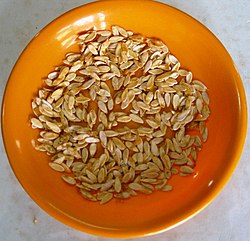
Melons come in all shapes, sizes, and colors! 🌈They usually have smooth, greenish skin, but some can be yellow or orange too. The inside of the melon is usually bright orange, yellow, or green and filled with tasty, juicy flesh! 🍈You can find seeds in the middle, and they might be white or tan. A typical melon can weigh anywhere from 1 pound to over 30 pounds! It grows on vines that can spread out over 10 feet long! 🥳Have you ever seen a melon plant? They have big, leafy green leaves that help gather sunshine for the fruit!
Go deeper🎉 Cultural Significance
Melons are enjoyed all around the world and are important in many cultures! 🎉In the United States, people love melons at summer barbecues, while in Japan, special melons can be given as gifts. 🍈In Mexico, they often make fresh juice from melons, called "aguas frescas." Different cultures have fun ways to include melons in traditional dishes and celebrations! Did you know that in some parts of Europe, melons were once seen as luxury items? ✨Whether sweet or savory, melons play a tasty role in many celebrations and everyday meals worldwide! 🌍
Go deeper🌞 Cultivation Techniques
Growing melons requires a warm and sunny spot! 🌞Plant melons when the frost is gone because they love warm weather. To start, people plant melon seeds about 1 inch deep in rich, well-draining soil. 🏡The seedlings usually pop up within 7-10 days! Melons need a lot of water 💧 to grow big and juicy, so make sure they have enough! Farmers sometimes use mulch to keep the soil moist and to stop weeds from growing. As the melons grow, they need space to spread out, so give each plant plenty of room! Remember to protect them from pests too! 🐛
Go deeper🌱 Botanical Classification
Cucumis melo belongs to the Cucurbitaceae family. This family includes many other veggies and fruits like cucumbers, pumpkins, and squash! 🌱The scientific classification of melons includes the following: Kingdom: Plantae, Clade: Angiosperms, Clade: Eudicots, Clade: Rosids, Order: Cucurbitales, Family: Cucurbitaceae, Genus: Cucumis, and Species: melo. There are over 30 different varieties of Cucumis melo! Some kinds are sweet and round, while others are elongated and crunchy. The scientific name helps everyone know which plant we are talking about, even if they speak different languages! 🌍
Go deeper🍈 Varieties Of Cucumis Melo
There are many exciting varieties of Cucumis melo. Some of the most popular types include cantaloupe 🍈, which has a rough, net-like skin and sweet orange flesh. Honeydew 🍯 is another favorite; it has smooth, green skin and a sweet, juicy interior. Then there's the Galia melon, known for its tropical flavor! 🌴You can also find other unique varieties, like the Christmas melon or Persian melon, each with their own delicious taste! 🍽️ Because of these differences, people can enjoy melons in a variety of dishes, each with unique flavors!
Go deeper🌍 Sustainable Farming Practices
Many farmers use sustainable practices to grow melons that protect our Earth! 🌍This means they want to grow food without hurting the environment. One method they use is crop rotation, which helps keep soil healthy and reduces pests naturally. 🌱Some use drip irrigation to save water 💧 while ensuring melons get just the right amount. Cover crops help keep the soil in place and provide nutrients! Organic farming avoids chemicals, allowing nature to take care of pests! By using these techniques, farmers can grow nutritious melons while also being kind to our planet! 🌿
Go deeper